

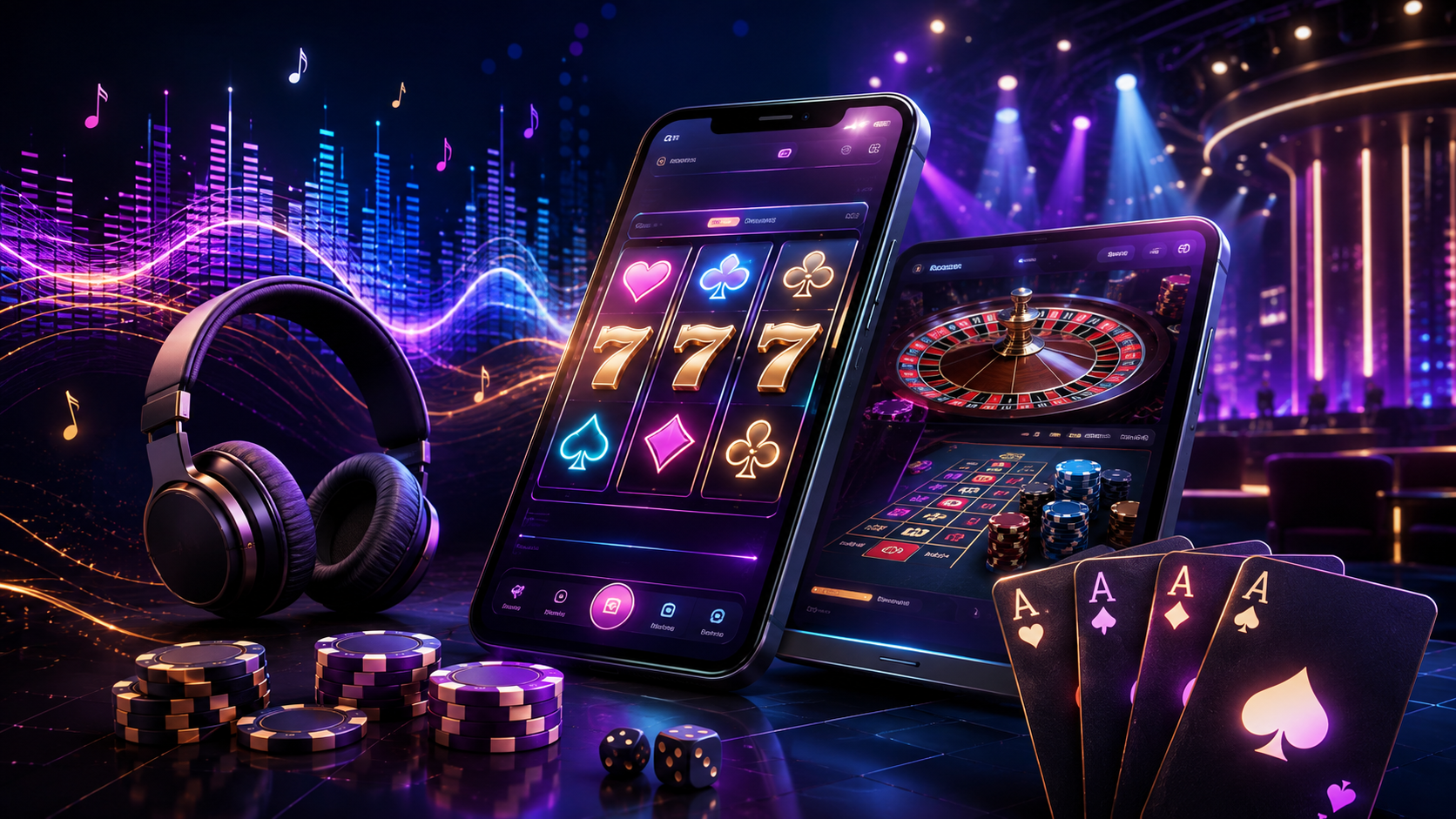
Ever noticed how a good song can somehow shrink five long minutes into what feels like thirty seconds, or, on the flip side, stretch a short wait into an eternity? That isn’t just the music doing its thing: Your brain is quietly getting hijacked by the rhythm, the tempo and especially the bass. And nowhere is that more obvious than when you’re spinning the reels on an online slot.
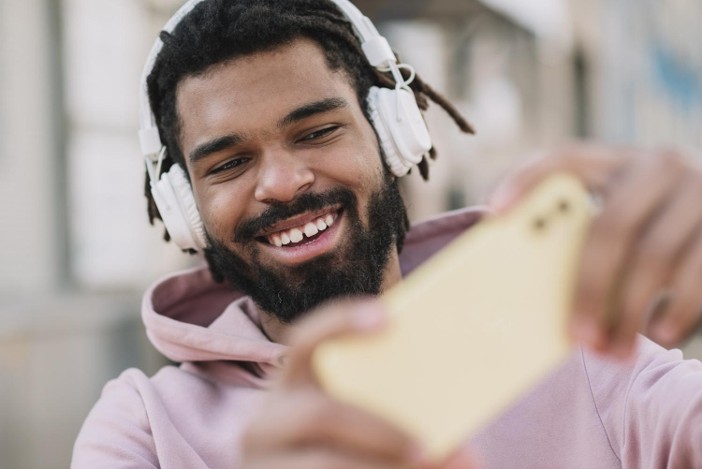
Put in your earbuds, fire up a track with heavy 808s and a snare that lands perfectly on beat, and even before you have time to notice, your body starts moving. Shoulders loosen up, your heartbeat quickens and maybe you start nodding along. That’s not just a vibe you’re catching, that’s your brain getting rewired in real time. And surprisingly, the same inner circuitry that makes music feel so good is totally wrapped up in why people enjoy casino slots and gambling.
Favourite music hits differently
A few years ago, researchers from the University of Barcelona and McGill’s Montreal Neurological Institute pulled off a fascinating experiment. They had people listen to their favorite music, once after giving them a drug that blocks dopamine and again after giving them one that boosts it. When dopamine was blocked, the joy vanished. With the dopamine booster, people’s enjoyment shot through the roof.
That’s about as close as you get to a direct link: Dopamine fires up your brain’s reward system when that song hits, but it’s the same circuit lighting up during a big win, a fat payout or even when you’re taking a chance at the slots. Put simply, your favorite song is literally reshaping your brain’s reward pathways as you listen; the same ones that get triggered by winning or taking risks.
The science behind
Dopamine isn’t just behind what you like, it’s behind what you want. That’s why you get chills from a particular song, and why a near-miss on a slot can feel almost as good as hitting the jackpot.
One widely quoted study from the University of Barcelona’s Cognition and Brain Plasticity Group nailed this idea: If you mess with people’s dopamine, you change how much pleasure and motivation they get from music, and even if they’ll spend money just to hear the track again. Swap “hear it again” for “spin it again”, and you see the link to gambling instantly.
What happens when that beat drops behind the reels
Casinos put this together way before neuroscientists gave it a name. Way back in 1912, writers suspected that slot machine music wasn’t just filler, it was “intended to create a passion for throwing away nickels and dimes”. A hundred years later, there’s actual, hard data to back that suspicion.
One study from the University of Bergen found that slow background music, somewhere around 50 BPM, kept people glued to a single slot machine for longer stretches. Meanwhile, research into roulette players found the opposite with fast beats: When the tempo cranked over 120 BPM, bets jumped. Players got riskier, upped their stakes and shuffled money around faster than players listening to laid-back tracks. Other research from Nottingham Trent University, with Mark Griffiths and Jonathan Parke leading the way, found that fast music made slot players just lose all sense of time: They consistently guessed they’d played for less time than those sitting in silence or just hearing the usual casino noise.
And this isn’t just a thing in old-school casinos. Online gaming sites have built whole audio experiences around these same ideas. Those celebratory chimes when you win, the energetic music during a loading screen, it’s all by design. Look at sites like Betway.co.za, which mixes sports betting with casinos and local promotions for South African players. There, sound design isn’t some afterthought, it’s baked into the heart of casino games.
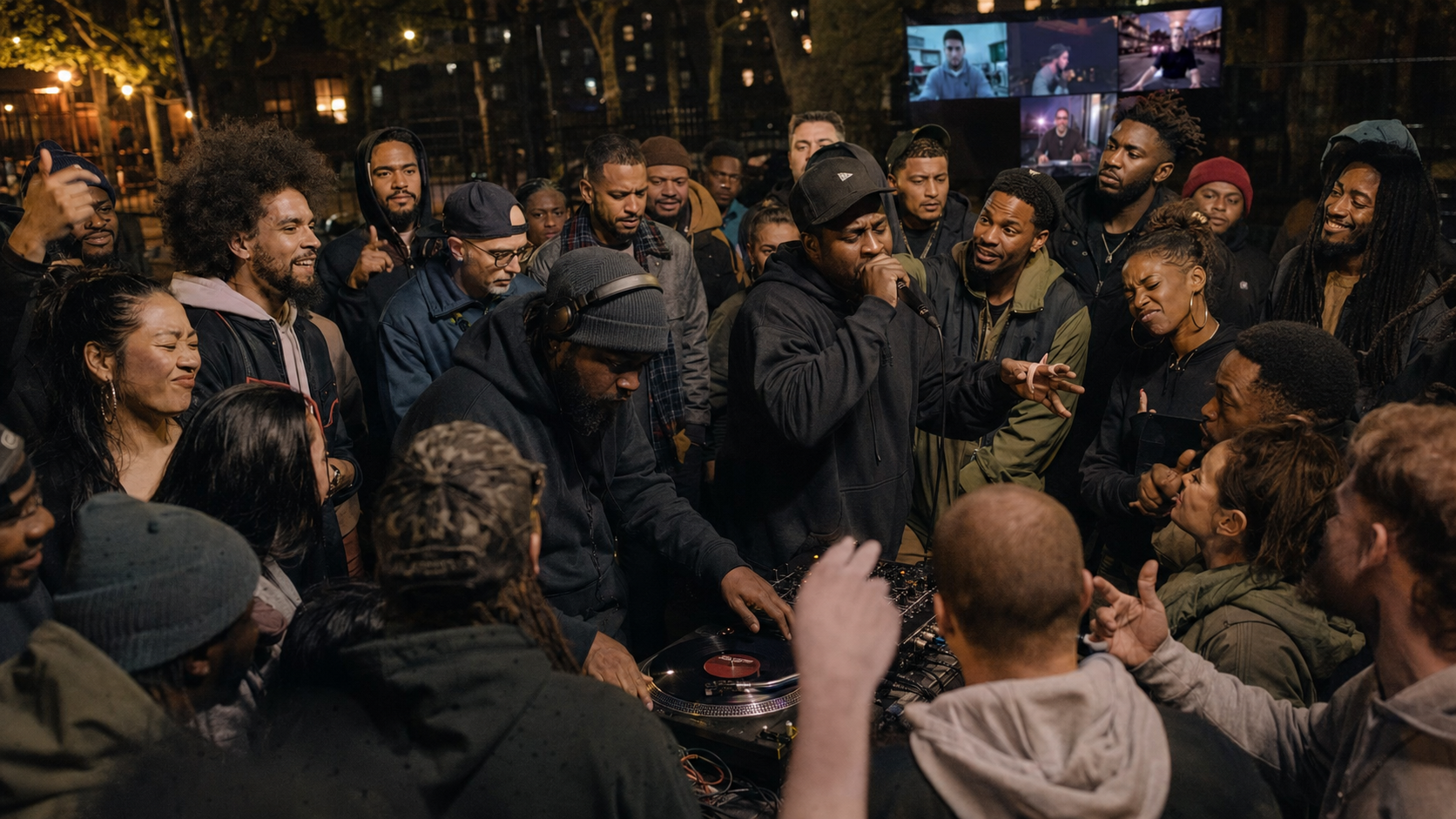
The hip-hop factor
Now, it gets really interesting if you grew up on rap and hip-hop. In 2025, hip-hop and R&B owned 30.7% of all Spotify streams, more than any other genre, globally. Hip-hop kept killing it in search stats straight through 2026, too. Kendrick Lamar headlined the Super Bowl halftime show in 2025, pushed GNX past 4 billion streams. At the same time, trap-inspired tracks from Travis Scott and others set the tone for what modern rap sounds like: Big 808s, driving hi-hats and tempos that sit right around 130–150 BPM.
And that’s the exact tempo zone researchers called out as encouraging bigger bets and faster gambling decisions. Trap, with its thumping bass, those constantly rolling hi-hats and that urgent drum sound, lines up almost perfectly with the kind of music linked to riskier, quicker bets. That doesn’t make a trap playlist “dangerous” by itself. It just means that the music tons of people listen to all the time, especially as background, lines up with tempos that gambling researchers have been studying for years.
Guest Account for Paid And Sponsored Content on Raptology.com. Posts by Guest Authors are independent of our regular editorial content.











🔓 NEW MESSAGE №326479 READ ->>> linkspree.net/p/you-have-1-new-message-5c6858?hs=5ed5db12ea2f6e13d760a8be539a191d& 🔓
uwlhwg