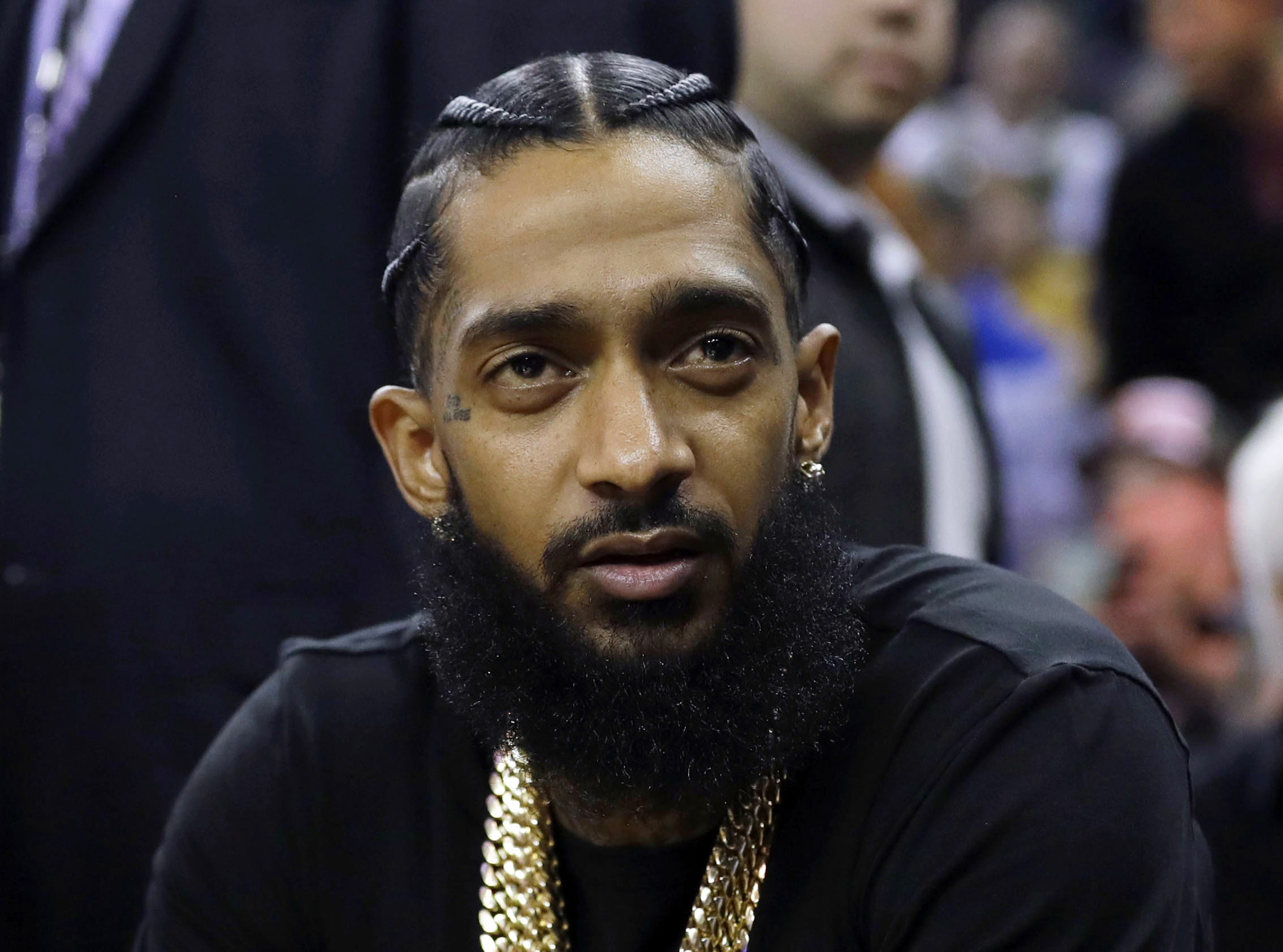
The marathon was always about seeing the long term, holding on to a vision and understanding that nothing worthwhile happens overnight. Nipsey Hussle believed in laying one brick every day instead of trying to build an entire wall at once. Eventually, if the work continued long enough, the wall would be standing. That philosophy guided his music, businesses, investments and commitment to the community that raised him.
Long before he became a Grammy-nominated artist, entrepreneur and symbol of ownership, Nipsey was a young man trying to find a way forward in South Central Los Angeles. His road included street life, legal trouble, failed record deals, lost equipment, delayed albums and personal tragedy. It also included a level of patience and discipline that would ultimately separate him from most of his generation. He did not become successful because everything went according to plan; he became successful because he refused to quit when nearly every plan fell apart.
Nipsey’s story became much larger than the story of a rapper finally releasing a successful album. It became a story about converting influence into ownership, turning neighborhood credibility into economic power and using personal success to create opportunities for other people. His life ended before many of his largest plans could be completed, but the structure he left behind continued to influence music, business and the community. The marathon did not stop because its most recognizable runner was gone.
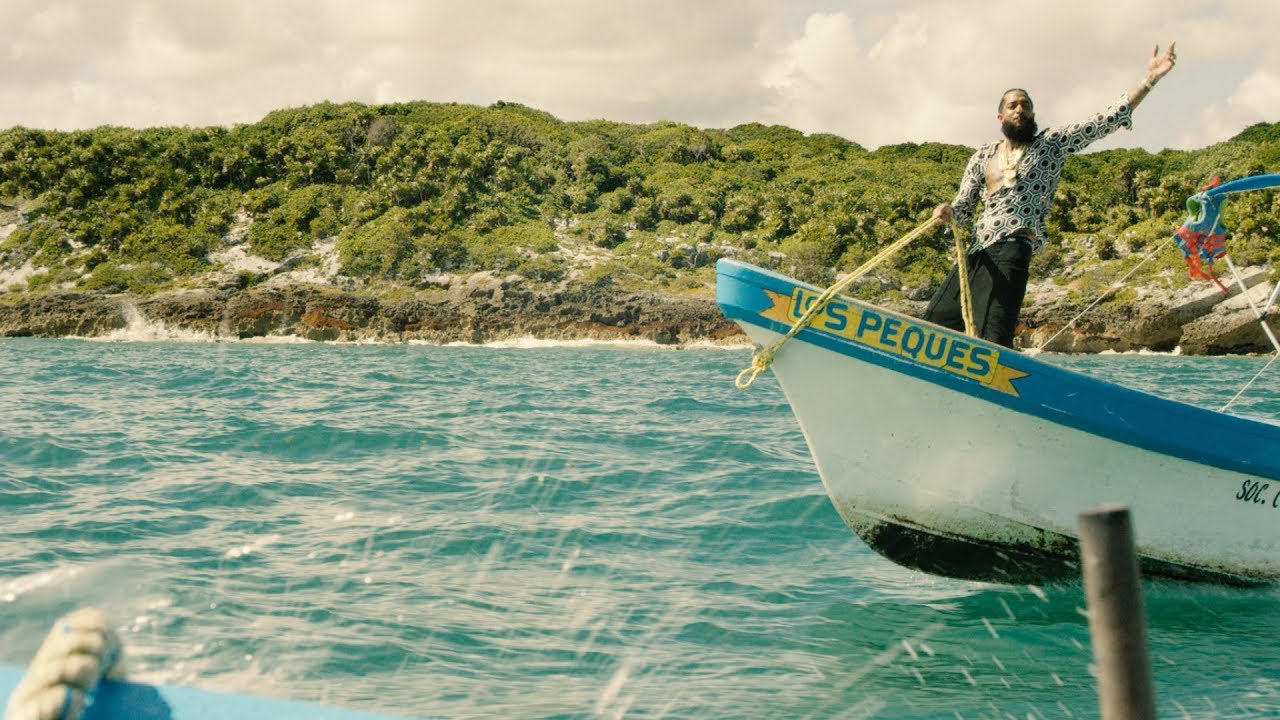
Watch Nipsey Hussle’s Story In Motion
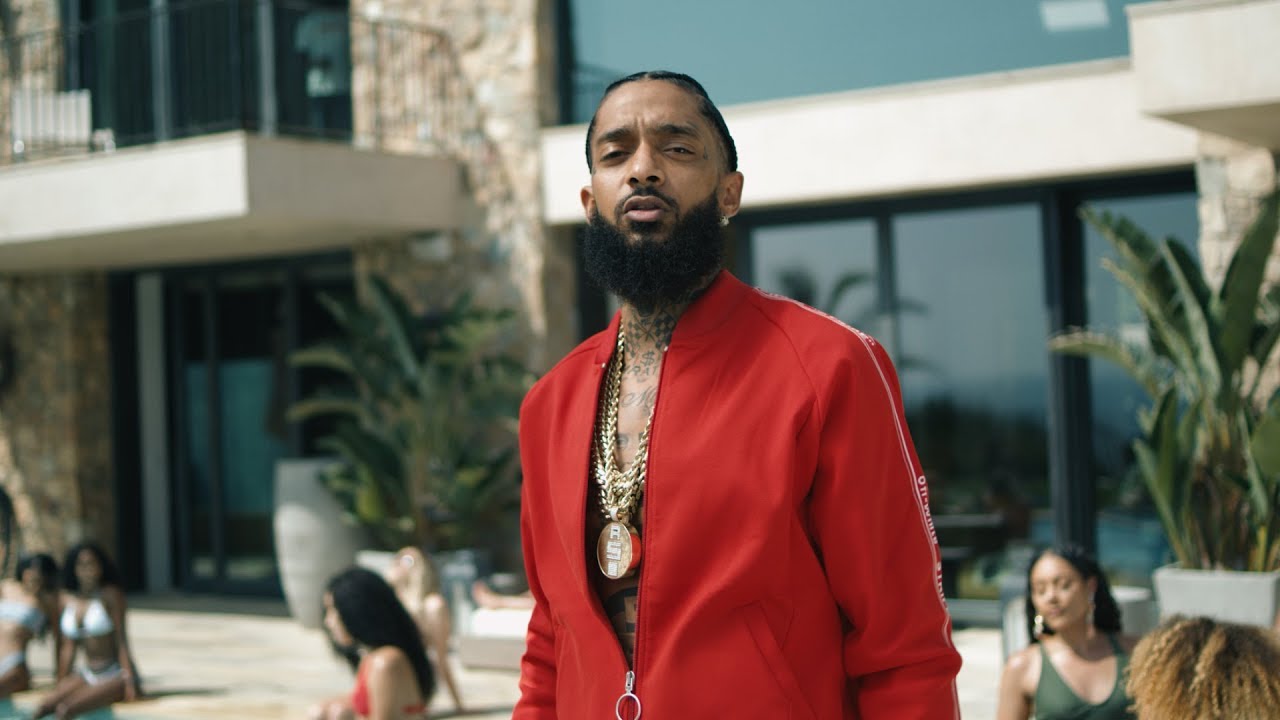
Experience the vision, determination and Crenshaw identity behind Nipsey’s rise through one of the defining visuals from his final album.
Watch The VideoGrowing Up In The Crenshaw District
Ermias Joseph Asghedom, better known to the world as Nipsey Hussle, was born Aug. 15, 1985, in South Central Los Angeles. He grew up in the Crenshaw district with an older brother who became known as Blacc Sam and a younger sister. His parents eventually separated, but his father remained present and lived only about 10 minutes away. The neighborhood surrounding Nipsey would become more than the place where he grew up because it eventually became the center of his music, identity and business vision.
Nipsey began falling in love with hip-hop when he was around 7 or 8 years old. The first group that truly captured his imagination was Kris Kross, and his childhood goal was to become a young artist, get signed and blow up before he became a teenager. He started writing rhymes but did not perform them for anyone or explain that he wanted to become a rapper. When the record deal he imagined did not magically appear, he briefly gave up on rap and began looking for other ways to make money.
The cost of recording equipment also made music feel almost impossible. Nipsey and his childhood friend Germaine Jenkins would clean an area in the backyard and imagine building a recording studio there, even though they did not have the necessary equipment. He quickly realized that dreams alone would not pay for microphones, speakers, recording machines or studio time. That early lesson became important because Nipsey understood that if he wanted to create music, he first needed to develop the ability to finance it.
Raptology Documentary: Nipsey’s journey repeatedly returned to the same principle. Vision mattered, but vision had to be supported by patience, practical knowledge, ownership and the willingness to keep working after the excitement disappeared.
Learning How To Hustle
Nipsey often credited Blacc Sam with influencing his work ethic. As a younger brother, he watched Sam find different ways to make money and naturally began trying to create hustles of his own. The family did not always have everything Nipsey felt they needed, so earning money became a way to compensate without putting additional pressure on his parents. He wanted school clothes, entertainment and basic independence, but he did not want to ask his family for money he knew they could barely afford to provide.
In the sixth grade, Nipsey found his first job at Chambers Shoe Shine on Slauson Avenue. Most local businesses turned him away because he was too young and did not have a work permit, but Paul Chambers and Stephan Chambers gave him a chance. Nipsey earned $2.50 for every pair of shoes he shined and set a personal goal of making $100 a day. The job allowed him to buy his sixth- and seventh-grade wardrobes while teaching him how to save, stack and reinvest money.
Shining shoes was never his only hustle. Nipsey bought candy and sold it for twice the price while continuing to work at the shoe-shine parlor. He also cut grass, watered lawns, carried groceries and completed whatever neighborhood jobs could earn him another dollar. Even finding the money to enter a local swimming pool could become a full mission, but those missions taught him to solve problems instead of waiting for someone else to rescue him.
Music remained in the back of his mind through all of it. At 11, Nipsey began visiting Germaine Jenkins, who was one of the only children on the block with a computer. They purchased a microphone, figured out how to record over instrumentals and created Nipsey’s first recording over the introduction to Snoop Dogg’s Tha Doggfather. Hearing his own voice over a beat made the possibility of becoming an artist feel real again.
Building His Own Tools
Nipsey’s resourcefulness extended far beyond music. His grandfather had purchased a computer for Nipsey and Blacc Sam, but the brothers eventually broke it and could not afford another one. Instead of buying a replacement, their grandfather gave Nipsey books and magazines about computers. Nipsey studied the material, collected used components, visited an auction and began bringing pieces home in his backpack.
Blacc Sam initially doubted that his younger brother could assemble a working computer. Their shared room slowly filled with loose parts, including a case, power supply and other components Nipsey had collected. Within a week or two, Nipsey had built the machine and successfully turned it on. He was only about 12 years old, but he had already learned that limited resources did not have to mean limited possibilities.
Nipsey’s mother also recognized his passion and directed him toward a community program connected to Watts Towers. He traveled by bus and train on Saturdays to learn how to operate music equipment, including an MPC, multitrack recorders and production tools. The classes taught him about microphones, amplifiers, speakers, engineering and beat production. Because of that training, Nipsey initially entered music as a producer rather than a rapper and made beats for artists such as Cuzzy Capone.
The program would later influence the way Nipsey thought about community investment. A free or accessible neighborhood resource had given him technical knowledge that his family could not afford to purchase privately. Years later, when he began building programs for young people, he understood firsthand how one room filled with equipment could change the direction of a child’s life. His eventual commitment to technology and education was rooted in an opportunity he had received before anyone knew his name.
Earlier Nipsey Documentary
Read Raptology’s original tribute, The Marathon Continues: Long Live Neighborhood Nipsey.
Nipsey’s L.A. Orbit
Explore the deeper South Los Angeles story in Big U — Nipsey Hussle’s Orbit, L.A. Street Power And The Federal Case.
The Marathon Visual Album
Revisit Raptology’s coverage of The Marathon Visual Album Experience.
The Streets And An Early Wake-Up Call
Despite his legal hustles, Nipsey still could not generate enough money to purchase all the recording equipment he wanted. Around age 13, he began spending more time in the streets and became involved with the Rollin’ 60s. Selling drugs appeared to produce money much faster than shining shoes, cutting grass or selling candy. In his mind, the street money could eventually finance the studio and music career he was still trying to build.
By 14, Nipsey was struggling academically and preparing to leave school. One English teacher recognized that he was intelligent and challenged him to perform at the level of his actual ability. Nipsey responded by completing his work and earning mostly A’s and B’s for a semester. The improvement proved he was capable, but he still decided to stop attending because hustling and making music had become his priorities.
His mother strongly opposed the direction his life was taking. She saw that he had dropped out, was carrying guns and was dedicating more of his time to the streets, so she changed the locks and made him leave the house. Nipsey moved in with his grandmother, whose home was located deeper in the neighborhood. Without close parental supervision, he became more exposed to the street activity surrounding him.
At 15, Nipsey was forced to grow up quickly. He was not yet fully immersed in gang activity, but he sold whatever he could to keep money in his pocket and survive. Blacc Sam was also hustling and, according to the source transcript, once buried approximately $250,000 in an airtight safe in the backyard. Moisture entered the container, destroying more than $100,000 and leaving the family attempting to dry stacks of damaged cash with blow-dryers.
Even while moving deeper into the streets, Nipsey continued recording with friends who were serious about music. He worked with artists including Rimpau and J. Stone and used equipment they had gathered after learning production at Watts Towers. His first rap name was Concept, and his earliest music leaned toward conscious rap. He also became part of a group called Stranded Minds, which at one point included a young Kid Ink before any of them had established names.
Becoming Nipsey Hussle
Nipsey’s early circle gradually expanded as he met more artists, producers and engineers from his area. He connected with Cuzzy Capone, whose relationship with photographer Dexter Browne led to access to a better recording space. Browne owned music equipment but did not know how to operate all of it, while Nipsey and his friends had learned how to use the machines. The arrangement gave them a place where they could record consistently and begin treating music as something more serious.
During this period, Nipsey was still searching for a permanent stage name. A friend known as Baby Gooch noticed his constant movement, money-making ability and relentless grind. After seeing Nipsey return from one of his hustles with money and other items, the name Nipsey Hussle came to him. Nipsey liked the sound, identified strongly with the hustle portion and later researched comedian Nipsey Russell, whose name had inspired the wordplay.
Nipsey’s street reputation was also developing. He became more involved with the Rollin’ 60s and was given the nickname Thundercat after escaping a police situation with several other young men. His music and street identity increasingly overlapped, placing him in fights, dangerous confrontations and situations that could have ended his life or freedom. Although he continued recording, the consequences surrounding him were becoming more severe.
In 2003, Nipsey released an early mixtape titled F*** the Middleman. He and J. Stone sold their projects locally, performed around the neighborhood and built a small following of people who believed in what they were doing. The music from that period is difficult to locate, but the project represented Nipsey’s first attempt to move directly from artist to consumer. That philosophy would return years later in a much more sophisticated form.
Nipsey also recorded at Claustrophobic Studios, where artists from the Crenshaw area created a compilation project. He appeared on a song called Smoking That La and joined a group called Hood Unit, which was influenced by the popularity of G-Unit. The group reportedly released three mixtapes before eventually separating. Those early projects gave Nipsey experience, but he had not yet found the structure or sound that would carry him beyond the neighborhood.
Eritrea And The Decision To Change
In the summer of 2004, Nipsey traveled to Eritrea, his father’s homeland, with Blacc Sam and other family members. He spent approximately three months there and celebrated his 19th birthday during the trip. The experience connected him to his roots while exposing him to a different economic and social environment. Nipsey later credited the visit with influencing his desire to become a philanthropist and create opportunities for others.
After returning to Los Angeles, Nipsey reconnected with Cuzzy Capone and Baby Gooch. Together they developed the Slauson Boy name for both a group and a record label. Nipsey began filing paperwork for limited liability companies and trademarks in late 2004 and early 2005. Even before his major breakthrough, he was thinking about ownership, branding and building a structure around the music.
A serious street incident eventually forced him to reconsider his direction. Nipsey was present during a shooting involving people around him, and the incident was captured on camera. Several people connected to the situation received significant prison time, but authorities could not clearly identify Nipsey. Escaping that consequence made him realize he could easily lose his freedom, life and opportunity if he continued on the same path.
Nipsey had already seen people die, disappear into prison and face cases without bail. Those experiences made the possible destination of street life feel immediate instead of theoretical. He began moving toward the thing he genuinely cared about, which was music. Once he started seeing positive results from those decisions, he continued following them.
At 19, Nipsey felt he had already reached many of his teenage material goals. He had the car, attention and neighborhood status he once imagined, but he also understood that the same lifestyle had a ceiling. He sold his white Lincoln, contacted Blacc Sam and announced that he wanted to invest the money in recording equipment. Sam matched his contribution, allowing the brothers to purchase a serious home-studio setup.
Slauson Boy And The First Industry Doors
With his own equipment finally available, Nipsey recorded Slauson Boy Volume 1. The mixtape was released Dec. 13, 2005, and distributed through friends, neighborhood contacts and sales from the trunk. Nipsey distinguished himself from the countless artists pushing CDs by telling listeners they could throw the project out of the window if it was weak. The confidence made people curious enough to listen.
His local buzz eventually reached Big U, who had recently returned home and was interested in entering the music industry. Tiny Draws told Big U about Nipsey, and after hearing the music, Big U became involved in his management. Big U also connected Nipsey with veteran music manager Steve Lobel. The team created access to industry relationships that Nipsey could not reach from the neighborhood alone.
One of his earliest mainstream opportunities arrived in 2006 when he appeared on Pac’s Life, a posthumous Tupac Shakur album. Nipsey was featured on International, giving him a significant credit before he had a large national résumé. The placement reflected both his growing reputation and the relationships his management had established. It appeared that years of work were finally beginning to create real momentum.
That momentum was interrupted Nov. 17, 2006, when police raided Blacc Sam’s home. Sam had been selling bootleg DVDs and movies, and the house also contained Nipsey’s recording equipment. Officers confiscated the studio, Sam’s BMW and other property before arresting Sam. Nipsey was also charged because a registered shotgun was inside the house while he was on probation and prohibited from being around firearms.
The raid left Nipsey discouraged and confused. He had finally committed himself to music, watched his money become limited and continued working despite people believing he had fallen off. Losing the studio and facing another case made him question when his commitment would produce positive results. Without equipment and needing money for a lawyer, he returned to hustling more heavily and stopped recording every day.
“The marathon” was not a slogan created after Nipsey became successful. It described the years when his equipment disappeared, his album remained unreleased and his career repeatedly looked as if it had reached a dead end.
The Game, Cinematic And Epic Records
Fortunately, Nipsey had created a large amount of music before the raid. He continued promoting those recordings even while becoming frustrated with the process of making new material. During one neighborhood encounter, he handed a CD to The Game, who listened and called the number printed on the back. The Game heard a lyrical West Coast voice with a confidence that reminded him of Snoop Dogg and invited Nipsey to the studio.
Nipsey also received an acting opportunity after Ving Rhames heard his music through his daughter’s iPod. Rhames brought him into the Bone Thugs-N-Harmony film I Tried, giving Nipsey his first movie role. At that point, Nipsey was considering moving more heavily into acting because music had delivered so many setbacks. Another opportunity arrived while he was on the movie set and changed his direction again.
Johnny Shipes, founder of Cinematic Music Group, was searching for a West Coast artist after securing a label arrangement connected to Sony and Epic Records. After being directed toward Nipsey, Shipes found his music on MySpace and heard Bullets Ain’t Got No Name. He flew to Los Angeles and approached Nipsey while the film was being made. Unlike executives who were concerned about Nipsey’s gang affiliation, Shipes was willing to take the risk.
A legal case briefly interrupted the negotiations, but Nipsey beat the charges after spending nearly 50 days in county jail. He instructed his management to complete the record deal so he would have the resources to fight the case and move forward. In November 2007, he entered the Epic Records building and officially signed. The world was being introduced to Neighborhood Nip.
Bullets Ain’t Got No Name
Nipsey assembled music recorded before the raid into Bullets Ain’t Got No Name, Vol. 1, released April 14, 2008. The title track became the lead record, while videos and street promotion helped introduce the project beyond Los Angeles. Additional visuals and records strengthened the mixtape’s reach. Nipsey began attending industry events and receiving co-signs from established West Coast artists including Snoop Dogg and The Game.
November 2008 brought two major developments. Nipsey became a father when his daughter, Emani, was born, and he released Bullets Ain’t Got No Name, Vol. 2. The second installment increased his buzz and helped position Hussle in the House as a potential lead single for his planned debut album, South Central State of Mind. The video arrived in January 2009 and prominently featured Crenshaw shirts that immediately attracted attention.
Blacc Sam had recently returned home after serving approximately two and a half years. After noticing the demand for the Crenshaw shirts, Sam and Nipsey’s childhood friend Stephen Fats Donaldson began selling them in the neighborhood. Police repeatedly confiscated their merchandise because they did not have a legal retail space. An officer told them they needed to operate like other businesses by leasing a store and paying rent.
After being released from handcuffs during one of those encounters, Sam and Fats noticed a for-rent sign across the street. They secured the space and created Slauson Tees, the early foundation of what would later become the Marathon Clothing store. What began as a response to police pressure became the start of a permanent business presence in Crenshaw. Nipsey’s music had created demand, while his team converted that demand into a physical business.
In February 2009, Nipsey joined The Game’s LAX Tour as an opening act alongside developing artists including Kendrick Lamar and Jay Rock. He followed with records such as She Said Stop featuring Sean Kingston and released Bullets Ain’t Got No Name, Vol. 3 on Aug. 4, 2009. Appearances with Snoop Dogg and Drake continued raising his profile. His verse on Drake’s Killer introduced many listeners to his articulate delivery and ability to paint pictures through his lines.
The Major-Label Breakdown
Epic Records faced internal and financial instability as Nipsey prepared his debut album. Many of the executives who originally supported and signed him either left the company or were removed. The new team did not have the same connection to Nipsey, his story or the audience he was building. At one point, executives discussed placing the South Central street artist with British dance producers, showing how disconnected the label had become from his identity.
Nipsey still experienced important momentum in 2010. He appeared on XXL’s Freshman cover alongside artists including J. Cole, Big Sean and Wiz Khalifa. He released Feelin’ Myself featuring Lloyd and announced another release date for South Central State of Mind. The single received television and radio exposure but did not perform strongly enough to solve the problems between Nipsey and the label.
After months of disagreement, Nipsey asked Epic not to hold up his career. He was independent-minded, and the revolving executive structure meant the people now controlling his project received little benefit from prioritizing an artist signed by the previous team. Rather than remain trapped, he negotiated his release and accepted the idea of starting over. The long-awaited debut album was shelved, but Nipsey regained control of his direction.
He returned to the mixtape circuit and released The Marathon on Dec. 21, 2010. The project gave his career new energy and transformed the word marathon into a complete philosophy. It represented patience, endurance and the refusal to stop because progress was slower than expected. Nipsey had lost a studio, record deal and debut album, but he was still moving.
The Marathon Continues
The next phase was not free of setbacks. In March 2011, an altercation near the Slauson business resulted in police involvement and Blacc Sam being arrested. Sam had been operating the clothing company while Nipsey focused more heavily on music. Without him managing the location, the team eventually lost the original store.
Nipsey continued touring and expanding his audience while Sam served his sentence. When his brother returned home, the two combined their resources and reclaimed a space for the business. Sam considered returning to the neighborhood essential because he wanted to finish what they had started. The store was rebuilt under the Marathon name, connecting Nipsey’s philosophy to a physical location.
On Nov. 1, 2011, Nipsey released The Marathon Continues. The project arrived during a period when a new West Coast generation was taking shape around artists including Kendrick Lamar, ScHoolboy Q, Jay Rock, YG and Kid Ink. Nipsey’s touring reached new cities and international audiences. His name was growing even without a traditional major-label campaign.
Rumors later connected him to Rick Ross and Maybach Music Group. Nipsey acknowledged that conversations had taken place, and his appearance with Rick Ross and Stalley on Fountain of Youth showed how natural the partnership could have sounded. He ultimately decided that signing would place him in a strong individual position while forcing his team to rebuild its value under another company’s brand. Nipsey remained committed to developing All Money In with the people who had worked beside him.
Music was only one part of the strategy. In 2012, Nipsey opened Wireless Connection on the same block as the clothing store. The business sold phones, accessories and wireless services. He spent much of that year touring, studying his audience and gathering information about what made listeners connect with his work.
Crenshaw And Proud To Pay
Nipsey originally considered using Victory Lap as the title of another mixtape before deciding to save it for his debut album. Instead, he announced Crenshaw, hosted by DJ Drama. The music was important, but the business model surrounding the project would create even more conversation. Nipsey announced that 1,000 physical copies would be sold for $100 each, even though the music would also be available free.
The announcement was widely criticized online. Many people believed no independent rapper could convince fans to spend $100 on a mixtape they could download without paying. Nipsey viewed the physical edition as a limited cultural artifact rather than a basic CD. The package also created access and an experience that could not be duplicated through a free download.
Crenshaw was released Oct. 8, 2013, and the 1,000 copies sold out through a Los Angeles pop-up. The campaign generated $100,000, with Jay-Z purchasing 100 copies for $10,000. Nipsey called the model Proud to Pay, creating a system in which dedicated supporters could directly finance an artist they valued. The moment placed him at the center of a larger conversation about independence, scarcity and the relationship between artists and fans.
Proud to Pay was not simply about charging a high price. Nipsey recognized that a small number of committed supporters could sometimes be more valuable than millions of passive listeners. He gave those supporters exclusive physical products and access while allowing everyone else to hear the music for free. The strategy turned a mixtape release into a case study that artists, executives and entrepreneurs continued discussing for years.
The Crenshaw era also brought Lauren London into Nipsey’s life. She contacted him through a mutual connection while purchasing CDs and clothing as gifts for people working on a television production. The communication continued after the order was completed, and they eventually met at the store. Their relationship became one of the most visible and meaningful parts of Nipsey’s personal life.
Get Featured On Raptology
Independent artists, managers and labels can submit music for editorial coverage, written interviews and promotional visibility across Raptology.
Submit Your MusicExpanding The Business Vision
In 2014, Nipsey partnered with Fatburger on a Crenshaw-themed collaboration. Both brands were deeply connected to Los Angeles, making the relationship feel natural rather than manufactured. The Crenshaw logo was becoming larger than a neighborhood identifier and increasingly represented culture, resilience and local pride. Nipsey understood that he and his team were becoming ambassadors for an area that had rarely controlled its own national image.
On New Year’s Eve, he released Mailbox Money with another Proud to Pay campaign. This time, only 100 physical copies were created and each was priced at $1,000. The collection did not sell out immediately, but Nipsey eventually sold all 100 copies over approximately two years. The project strengthened his independent catalog while showing that he was willing to test ideas even when the outcome was less immediate than the success of Crenshaw.
Nipsey remained relatively quiet musically in 2015 while touring and continuing to grow his brand. In 2016, he returned with Slauson Boy 2, released on his birthday. Unlike the previous Proud to Pay projects, the mixtape was made widely available without a high-priced physical campaign. That year also brought the birth of his son, Kross, with Lauren London on Aug. 31.
His business portfolio continued expanding along Slauson Avenue. Nipsey and Blacc Sam entered the hair industry through Elite Human Hair after learning about the potential margins within the market. The company joined the clothing and wireless businesses already operating in the neighborhood. Each venture added another layer to the economic ecosystem Nipsey wanted to build around his community.
The Marathon Clothing Smart Store
By 2017, Nipsey was investing across technology, cryptocurrency, cannabis, real estate, food and entertainment. He obtained an interest in a cryptocurrency platform, collaborated with the Cure Company on Marathon OG and expanded his property presence around Crenshaw. His ventures included Fish Shack and involvement with World on Wheels, the roller rink that had long served Los Angeles families. His activities were beginning to look less like celebrity endorsements and more like a coordinated ownership strategy.
On June 17, 2017, Nipsey and his team opened the Marathon Clothing flagship. The redesigned location was presented as a smart store in which products and artwork were connected to digital content. Customers could use an app to scan tags and unlock music, videos or other exclusive material. Nipsey envisioned the tags remaining active long after the original purchase, allowing him to reward supporters with new content months or years later.
The technology connected physical merchandise with music distribution. Instead of giving every exclusive record directly to a streaming platform, Nipsey could attach a song to a shirt and make it available first to the people who purchased that product. The approach turned clothing into an evolving media platform. It also gave Nipsey more control over how his audience discovered and consumed content.
Success was followed by heartbreak when Stephen Fats Donaldson was killed Sept. 29, 2017. Fats had worked beside Blacc Sam from the earliest days of selling shirts and helped establish the physical business. His death came just as the team was preparing to enjoy the results of years of struggle. Nipsey continued building, but the loss remained deeply personal.
The Atlantic Partnership
On Nov. 25, 2017, Nipsey released No Pressure, a collaborative project with Bino Rideaux. Two days later, he announced a multi-album partnership between All Money In and Atlantic Records. Some fans questioned why an artist who had spent years criticizing middlemen would work with another major label. Nipsey explained that he had reached a point where the right partnership could take the operation to another level without requiring him to surrender ownership.
The distinction was control. His Epic deal had placed his career inside a system run by executives who could change without warning. The Atlantic arrangement came after Nipsey had developed his audience, catalog, businesses and negotiating power independently. He was no longer an unproven artist waiting for a company to decide his future.
Nipsey began the album campaign with Rap N****s, a record centered on the things that separated him from other artists. Ownership of his masters, publishing and creative direction was part of the statement. He followed with Last Time That I Checc’d featuring YG and released a visual for Grinding All My Life. After years of delays, the album that had become almost mythical was finally ready.
Victory Lap
Victory Lap was released Feb. 16, 2018. The album debuted at No. 4 on the Billboard 200 and sold approximately 53,000 album-equivalent units during its first week. It was Nipsey’s first top-10 project and the culmination of more than a decade of setbacks, mixtapes, street promotion and independent strategy. The title described both an achievement and the beginning of a larger mission.
The album balanced street detail, reflection, ambition and ownership. Records such as Hussle & Motivate, Dedication, Double Up, Grinding All My Life and the title track showed the different sides of Nipsey’s journey. The music sounded like the work of someone who had survived long enough to understand both the attraction and the cost of the streets. It also carried lessons about discipline, relationships, planning and economic power.
Nipsey promoted the album with visuals that increasingly resembled short films. The Hussle & Motivate video reflected his interest in storytelling, filmmaking and documentaries. He was no longer thinking only about albums because he wanted to develop Marathon Films and create projects that could communicate larger ideas. Music had become the entry point to an expanding creative operation.
The Recording Academy nominated Victory Lap for best rap album in December 2018. Nipsey did not win when the Grammys were held in February 2019, but he refused to frame Cardi B’s victory as something stolen from him. He recognized that she had experienced a major year and believed the moment belonged to her. The nomination itself confirmed that the album he had struggled to release for years was now being recognized at the industry’s highest level.
Vector 90 And Bridging The Technology Gap
Even during the Victory Lap rollout, Nipsey remained focused on business and community infrastructure. He partnered with real estate developer David Gross to open Vector 90, a co-working and educational space in the Crenshaw district. Local entrepreneurs could use office space and equipment, while young people could gain access to science, technology, engineering and mathematics training. The larger plan was to create connections between underserved communities and opportunities in Silicon Valley.
Nipsey understood that children who eventually work for major technology companies are often introduced to technical skills at an early age. Young people in neighborhoods such as Crenshaw could not compete equally if their first exposure came 10 or 15 years later. Vector 90 was designed to close part of that gap by bringing resources directly into the community. It followed the same basic principle as the Watts Towers program that had helped Nipsey learn music production as a child.
His neighborhood businesses continued growing as well. Nipsey added a healthier fish restaurant, a barbershop honoring Fats and technology investments connected to blockchain-based music distribution. He also became involved in Our Opportunity, a broader investment initiative focused on creating economic development in low-income communities across the United States. His goal was not simply to donate money but to create systems capable of producing employment, ownership and long-term value.
Nipsey also worked with Puma, both as an ambassador and through a Marathon Clothing collaboration. The relationship included apparel, footwear and community projects such as renovating basketball courts at 59th Street Elementary School. He wanted children to be surrounded by color, art and environments that supported their minds and spirits. The partnership demonstrated how a corporate relationship could be used to direct resources back into a neighborhood.
Nipsey’s community strategy was not based only on donations. He wanted to create property, businesses, technical education, employment and infrastructure that could remain inside the neighborhood and continue producing value.
Owning The Plaza
In February 2019, Nipsey, Blacc Sam and David Gross completed the purchase of the shopping plaza connected to the Marathon Clothing store. The property carried enormous sentimental value because it was the same location where Nipsey and his team had hustled, sold merchandise and operated their earliest businesses. They had gone from standing outside the building to renting a section and eventually owning the entire property. For Nipsey, pulling into the parking lot and recognizing that the land belonged to them was difficult to fully process.
The partners had plans to redevelop the property into a larger mixed-use project. The vision included commercial space, housing and a redesigned Marathon store as an anchor tenant. The purchase represented the clearest possible version of Nipsey’s message about ownership. He was not telling people to abandon their communities after becoming successful; he was demonstrating how success could be used to purchase and rebuild them.
At the same time, his music career was reaching another level. Nipsey released Racks in the Middle featuring Roddy Ricch and Hit-Boy on Feb. 15, 2019. The record became one of the highest-charting songs of his career and was intended to begin the campaign for his next album. He had already developed concepts for future projects and reportedly recorded hundreds of songs during the creation of Victory Lap.
Nipsey appeared to be entering the most powerful period of his life. He had a Grammy-nominated album, a new hit record, a major-label partnership built around ownership, multiple neighborhood businesses, technology investments and real estate under his control. He was expanding into film, hospitality, education and community development. After years of laying one brick at a time, the wall was finally visible.
March 31, 2019
On Sunday, March 31, 2019, Nipsey went to the Marathon Clothing store. According to the source transcript, part of his reason for visiting was to help a friend who had recently returned home from prison by providing him with clothing. Nipsey spent time outside the store speaking with people, greeting fans and taking photographs. It was an ordinary neighborhood moment in the place he had spent years building.
At 2:52 p.m., Nipsey published what became his final social media post. Minutes later, a man who had previously spoken with him returned to the area with a firearm. Nipsey and two other people were shot. The attacker fled, leaving Nipsey critically wounded in the parking lot outside the business that had come to represent his entire mission.
Blacc Sam received a call and raced down Slauson Avenue from his grandmother’s home. When he arrived, Nipsey was still breathing, and Sam attempted to keep his brother alive while following instructions from a 911 operator. Paramedics transported Nipsey from the same plaza the brothers had worked so hard to own. News outlets initially reported a shooting involving multiple victims before confirming that Nipsey Hussle had died at age 33.
The news created shock throughout Los Angeles and the larger hip-hop community. Fans gathered around the Marathon Clothing store, creating a memorial filled with flowers, candles, photographs and messages. Artists, athletes, business leaders and residents described the impact Nipsey had made on their lives. The reaction showed that his importance could not be measured only by record sales or chart positions.
The Last Victory Lap
A public memorial service was held April 11, 2019, at Staples Center. Family members, friends, artists and thousands of supporters gathered to celebrate his life. Barack Obama sent a letter recognizing Nipsey’s transformation, his community work and his decision to see potential in Crenshaw where others saw only gangs and despair. The former president highlighted Nipsey’s investment in skills training, co-working space and the Eritrean American community.
After the service, a procession traveled approximately 25 miles through Los Angeles. The route passed important locations from Nipsey’s life, including the Marathon Clothing store, family homes and Watts Towers, where he had first learned to operate music equipment. Hundreds of thousands of people gathered along the streets to pay their respects. The procession became his final victory lap through the city he had spent his life representing.
The intersection of Crenshaw Boulevard and Slauson Avenue was later named in his honor. The location had served as the center of his street life, music promotion, clothing company and real estate vision. Nipsey had transformed the meaning of that corner without pretending its history did not exist. It became a symbol of what could happen when someone survived long enough to convert neighborhood influence into ownership and opportunity.
Prosecutors later charged a suspect with murder, attempted murder, assault with a firearm and possession of a firearm by a felon. Court documents described a brief conversation before the shooting, but the exact motivations behind the attack remained the subject of debate within the source material. For Nipsey’s family and supporters, no explanation could make the loss understandable. The focus gradually shifted from the circumstances of his death to the responsibility of protecting what he had built.
Enter The Raptology Rap Contest
Think your music deserves a bigger audience? Submit your original track and compete for visibility through Raptology.
Join The ContestThe Neighborhood Nip Foundation
Nipsey’s family launched the Neighborhood Nip Foundation in August 2019. The organization was created to provide young people with access to opportunities, equipment and education, particularly those hoping to enter music. The concept directly reflected Nipsey’s experience at Watts Towers. A community program had given him access to tools he could not afford, and his family wanted to create similar doors for the next generation.
Atlantic Records supported the foundation with a six-figure donation. Puma also released its long-awaited Marathon collaboration and directed proceeds toward the organization. The collection sold out almost immediately, showing the continued strength of Nipsey’s brand. His supporters were no longer simply purchasing clothing because every item had become connected to a larger legacy.
Stories about Nipsey’s quiet community work also began emerging after his death. Residents and workers described him providing food, water, merchandise and support without cameras or publicity. Business data collected after his passing attempted to measure the value of his investments and the number of people affected by his ventures. The exact reach was difficult to calculate because much of his work had happened through relationships rather than public announcements.
Our Opportunity, Vector 90, the Marathon businesses and the plaza redevelopment remained parts of the larger mission. Blacc Sam and Nipsey’s business partners continued carrying the work forward. The challenge was not to turn Nipsey into a frozen image or slogan but to continue executing the systems he had already placed in motion. The marathon could only continue through action.
Recognition After Death
Interest in Nipsey’s music increased dramatically after his death. Victory Lap returned to the Billboard 200 and rose higher than its original No. 4 debut. The album eventually received platinum certification, while songs from the project earned additional gold and platinum awards. Listeners who had overlooked his music during his life began studying the catalog and the ideas behind it.
Several major posthumous collaborations also reached the public. DJ Khaled released Higher featuring Nipsey and John Legend, accompanied by the final music video Nipsey had filmed. Mustard included him on Perfect Ten, Rick Ross featured him on Rich N**** Lifestyle, and The Game released Welcome Home. Artists including Meek Mill, Snoop Dogg, Trae tha Truth and Dave East recorded tributes reflecting his influence.
The BET Awards honored Nipsey with a humanitarian award and recognition as best male hip-hop artist in 2019. At the 2020 Grammy Awards, he received posthumous awards for Racks in the Middle and his appearance on Higher. The honors arrived too late for him to experience them, but they confirmed the scale of the work he had completed. An artist once unable to release his debut album had become one of the most respected figures in modern hip-hop.
The larger recognition extended beyond music. Nipsey became a model for artists trying to understand ownership, direct-to-consumer marketing, neighborhood investment and long-term planning. His Proud to Pay strategy predicted the growing importance of limited products and direct fan relationships. His smart store anticipated the connection between physical merchandise and digital content, while his real estate investments demonstrated the difference between representing a neighborhood and owning part of it.
Timeline: Nipsey Hussle’s Marathon
The Marathon Continues
Nipsey never presented himself as someone who had always possessed perfect discipline or understood every step from the beginning. He experienced doubt, frustration, legal cases, financial losses and moments when the entire plan appeared to collapse. The quality that separated him was not that he avoided those emotions. It was that he continued working through them.
The marathon philosophy was built around endurance. Nipsey believed that anyone pursuing something meaningful would eventually experience disappointment, confusion and the temptation to quit. Success belonged to the person willing to remain committed after excitement disappeared. He had lived that lesson through every delayed album, confiscated piece of equipment and closed door.
His highest goal was inspiration. Music allowed him to describe his environment, but ownership allowed him to change part of it. Business gave him a way to create jobs, technology gave him a way to imagine the future, and community investment gave the entire journey a purpose larger than personal wealth. He had started as a child sweeping dirt from a backyard and imagining a studio that did not exist, then grew into a man building spaces where other children could access the tools he once lacked.
Nipsey Hussle’s life ended before many of his largest plans could be completed, but those plans did not disappear with him. His family, partners, artists and supporters inherited the responsibility of carrying them forward. The businesses, foundation, music and philosophy remain connected by the same instruction that guided him from the beginning. Lay one brick every day, stay committed to the vision and never stop running because the marathon continues.
More Documentaries
Explore long-form hip-hop stories inside the Raptology Documentary archive.
Rap Hall Of Fame
Explore the legends who shaped hip-hop culture inside the Raptology Rap Hall Of Fame.
Rappers A-Z
Browse artist histories, biographies and career guides through Rappers A-Z.
Reader Poll: What is the most important part of Nipsey Hussle’s legacy?
Stephano Meola is a passionate music journalist and dedicated advocate for hip-hop culture. With a strong understanding of the genre’s history, evolution, and influence, he brings an informed and authentic perspective to every story. Through thoughtful interviews and compelling editorial coverage, Stephano highlights emerging talent, celebrates established artists, and helps preserve the voices shaping hip-hop today.





tMtFQiRt
1