
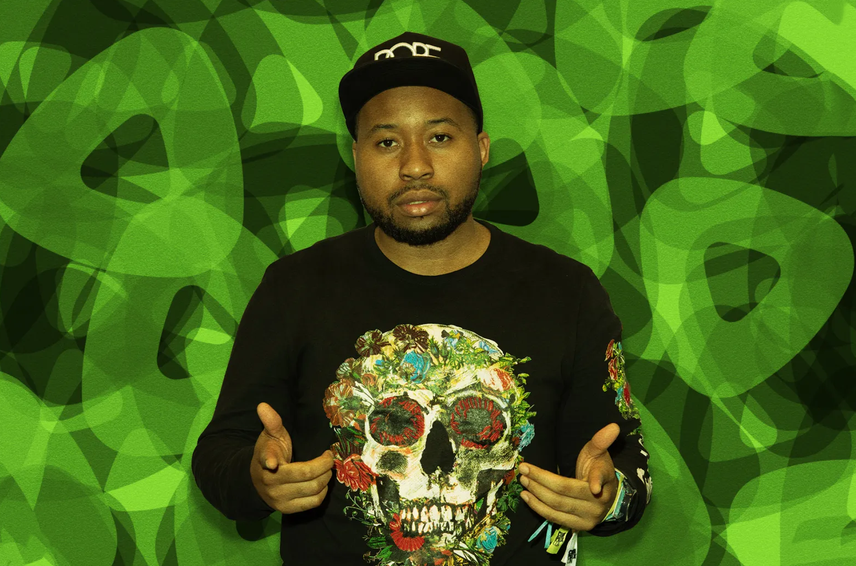
Hip-hop media once moved through magazines, radio stations, television networks and a small circle of established websites. Stories were assigned, edited and published on a schedule. Artists usually spoke through publicists, interviews and official releases.
DJ Akademiks helped destroy that rhythm.
By combining YouTube commentary, social media posts, livestreams, breaking news, gossip, statistics and personal opinion, he created a faster and more confrontational model. He was not simply reporting on hip-hop. He was reacting to it in real time, arguing with artists, speaking directly to fans and turning the media personality into part of the story.
His influence is visible everywhere today. Rap news pages post around the clock. Streamers break stories from bedrooms. Artists respond directly to bloggers during livestreams. Fans expect immediate commentary before traditional outlets have finished writing a headline.
This is how DJ Akademiks changed hip-hop media, and why the industry still cannot decide whether he represents its future or its worst impulses.
From College Radio to Internet Commentary
DJ Akademiks, born Livingston Allen in Jamaica, developed his public voice through college radio and online hip-hop discussion. His early work did not resemble the polished broadcast careers of traditional radio personalities. It was built through repetition, personality and an understanding of how internet audiences behaved.
He learned that online fans did not only want finished reporting. They wanted speed, interpretation and someone willing to say what they were already arguing about in comment sections.
That distinction became the foundation of his career. A conventional newsroom might wait for confirmation, contact representatives and publish a carefully edited report. Akademiks could open a microphone, pull up social media, explain what was happening and spend an hour debating what it meant.
The format felt informal, but the strategy was precise. He was building a direct relationship with viewers. They returned not only for information, but for his reaction to the information.
The War in Chiraq Changed His Career
The project that first made Akademiks impossible to ignore was The War in Chiraq, a YouTube channel focused on Chicago drill artists, neighborhood conflicts and the violent events surrounding the music.
At the time, drill was spreading far beyond Chicago. Chief Keef, Lil Durk, Fredo Santana, Lil Reese, Lil JoJo, FBG Duck and many others had developed large online audiences. Listeners around the world heard names, blocks and alliances in songs but often had little understanding of the local context.
Akademiks filled that gap. He explained rivalries, recapped social media exchanges and connected lyrics to public events. His narration was satirical and sensational, often assigning memorable nicknames and presenting deadly conflict with the pacing of internet entertainment.
The channel attracted viewers because it made a complicated scene easier to follow. It also created lasting criticism. Chicago artists and residents argued that reducing real deaths to jokes, characters and episodes transformed suffering into content for outsiders.
That criticism has followed Akademiks throughout his career. Supporters say he documented a movement that larger media outlets ignored until it became profitable. Critics say his framing rewarded conflict and treated young Black men as entertainment.
The confrontation with G Herbo illustrated the central dispute. Akademiks viewed his work as commentary and documentation. Artists who lived through the violence questioned the distance, humor and labels used by someone reporting from outside the neighborhoods.
- Rapid video commentary about developing rap stories
- A narrator whose personality mattered as much as the facts
- Direct use of social media posts as source material
- Serialized coverage that encouraged viewers to return daily
- A blurred line between journalism, commentary and entertainment
Akademiks Built a One-Person Newsroom
Traditional music publications depended on editors, writers, photographers, publicists and scheduled publishing. Akademiks showed that one creator could perform many of those functions alone.
He monitored social media, selected stories, recorded commentary, created titles and thumbnails, published videos and communicated with the audience. The process was fast, inexpensive and highly responsive to whatever people were discussing that day.
This one-person newsroom model influenced a generation of hip-hop pages and creators. Many did not copy his voice, but they copied the structure. Post quickly. React visibly. Develop a recognizable personality. Build direct access to the audience. Let controversy increase distribution.
It also changed the expectations placed on artists. A rapper no longer needed a magazine cover or radio interview to become part of the daily conversation. One Instagram post, leaked message or livestream clip could become a full news cycle within minutes.
Everyday Struggle Brought Internet Culture to Complex
In April 2017, Complex launched Everyday Struggle with Akademiks, Joe Budden and moderator Nadeska Alexis. The concept placed an internet-born commentator opposite a veteran rapper known for blunt opinions.
The chemistry worked because neither man treated disagreement as a problem. Conflict was the format. Albums, sales, relevance, industry politics and artist behavior became daily debate topics. The show moved with the urgency of sports television, but the subject was hip-hop.
Everyday Struggle produced viral moments with Migos, Lil Yachty, Vic Mensa, Erykah Badu and others. It proved that rap commentary could support a daily video program rather than occasional interviews or album reviews.
The show also legitimized Akademiks inside a major media company without requiring him to abandon the habits that built his independent audience. Complex gained his internet instincts and following. Akademiks gained access, production resources and a larger industry stage.
View the Everyday Struggle clip on Instagram
The Vic Mensa confrontation became one of the clearest examples of the tension around his Chicago coverage. A media debate show suddenly became a place where an artist could challenge the ethics of the commentator directly, in front of the same audience that had consumed the coverage.
The Joe Budden Era Made Debate the Main Event
Joe Budden and Akademiks represented different forms of authority. Budden spoke as a former major-label rapper with industry experience. Akademiks spoke as an audience-driven digital publisher who understood streams, engagement and youth culture.
Their arguments reflected a larger transition inside hip-hop. Older media valued access, relationships and traditional credentials. Newer media valued speed, numbers, audience loyalty and independence.
When Budden left the show in late 2017, the breakup became another media lesson. The audience was interested not only in rap news, but also in the business and personalities behind the platform. The media company itself had become content.
View Akademiks discussing the end of Everyday Struggle
Everyday Struggle continued with new co-hosts before ending in December 2020. Its influence remained. Daily rap debate shows, reaction channels and personality-led podcasts became normal parts of the media landscape.
He Made Statistics Part of Rap Arguments
Akademiks understood that streaming data could function as cultural power. He regularly discussed first-week sales, chart positions, YouTube views and audience engagement.
This helped move hip-hop conversation away from purely subjective claims. Fans began using numbers to argue about relevance, momentum and commercial strength. Artists who once dismissed online commentators also recognized that those platforms could affect perception around an album release.
The danger was that numbers could become the entire definition of success. A strong debut week could be treated as proof of artistic value. A weak chart position could become public humiliation. Akademiks did not create that pressure, but his coverage helped make commercial data part of everyday fan conversation.
6ix9ine Showed the Power and Risk of Access
Akademiks developed a close public relationship with 6ix9ine during the rapper’s explosive rise. Their conversations, livestreams and interviews generated enormous attention.
The relationship demonstrated the advantage of direct access. Akademiks could reach an artist immediately, clarify rumors and create content without waiting for formal publicity channels.
It also showed the danger of becoming too close to the subject. When a commentator is part of the artist’s public story, the line between reporter, friend, promoter and participant becomes difficult to identify.
This blurred relationship is now common in creator-led media. Streamers play games with artists, attend their parties, argue with them publicly and then report on them the next day. Akademiks helped normalize that model in hip-hop.
Off the Record Extended the Formula
In 2021, Spotify launched Off the Record with DJ Akademiks as an exclusive video podcast. The program combined interviews, roundtable conversations and commentary about music, entertainment and culture.
The move showed that major platforms viewed his audience relationship as valuable. Akademiks was no longer simply a YouTuber who occasionally entered traditional media. He had become a media brand that technology companies wanted to distribute.
Long interviews allowed him to move beyond short news reactions. Artists could explain disputes, discuss contracts and respond to years of public narratives. The same creator who once summarized stories was now producing primary-source interviews that other outlets quoted.
Livestreaming Made the Newsroom Permanent
The final stage of Akademiks’ influence came through livestreaming. A YouTube upload still has a beginning and an end. A livestream can become an open newsroom that lasts for hours.
Viewers watch him discover information, call sources, read posts, change opinions and react to new developments. The unfinished nature of the process creates intimacy. Fans feel they are inside the newsroom rather than receiving a completed report afterward.
This model now shapes hip-hop media across YouTube, Rumble, Kick and other platforms. The creator is always available. The audience participates through chat. Clips are cut from the stream and redistributed across social media, creating another cycle of reach.
The Criticism Is Part of the Legacy
Any honest assessment of his influence must include the criticism. He has been accused of sensationalism, disrespect toward artists, amplifying dangerous conflicts and prioritizing engagement over care.
His defenders argue that traditional outlets often ignored emerging scenes, protected industry relationships and moved too slowly. They see Akademiks as independent, transparent about his opinions and accountable directly to viewers.
Both interpretations can be true. He expanded access and speed while also demonstrating how quickly commentary can become spectacle. He gave overlooked artists visibility while sometimes presenting trauma in a way that angered the people closest to it.
The larger lesson is not that every outlet should imitate him. It is that every hip-hop outlet now operates in a media environment he helped create.
How He Changed the Business
Akademiks proved that a hip-hop media company could begin with one person, a microphone and an obsessive understanding of online attention.
He weakened the old distinction between journalist and entertainer. He showed that a commentator could develop more influence than some publications. He made direct audience ownership more valuable than dependence on magazine brands, television networks or radio stations.
He also helped establish a business model based on multiple layers of content. A livestream creates clips. Clips create social posts. Social posts create arguments. Arguments drive viewers back to the next stream.
For independent outlets, the lesson is powerful. A smaller brand can compete through speed, specialization, recognizable voice and direct community. The warning is equally important. Attention can reward exaggeration, conflict and mistakes faster than careful reporting can correct them.
Frequently Asked Questions
What is DJ Akademiks’ real name?
His real name is Livingston Allen.
What was The War in Chiraq?
It was a YouTube channel and commentary series focused on Chicago drill artists, neighborhood conflicts and related news. It helped build Akademiks’ audience and became a major source of criticism from Chicago artists.
When did Everyday Struggle begin?
Complex launched the show in April 2017 with DJ Akademiks, Joe Budden and moderator Nadeska Alexis.
Why was Everyday Struggle important?
It turned daily hip-hop debate into a repeatable video format and brought internet commentary into a major media company.
What is Off the Record?
Off the Record with DJ Akademiks is a music, entertainment and culture podcast built around interviews, commentary and roundtable discussion.
What is DJ Akademiks’ biggest impact?
His biggest impact is the normalization of fast, personality-driven, livestream-based hip-hop news distributed directly to audiences without traditional media gatekeepers.
Vote
Raptology publishes artist features, interviews, release coverage and long-form documentaries for artists, managers, labels and music professionals.
GET FEATURED ON RAPTOLOGYReporting sources and official references
- The War in Chiraq official YouTube channel
- DJ Akademiks explains starting The War in Chiraq
- Complex, Everyday Struggle archive
- Complex announcement for Everyday Struggle
- Everyday Struggle final episode
- Spotify newsroom interview about Off the Record
- Off the Record official Spotify page
- DJ Akademiks official news page on Instagram

Hulda Hicks was born in Brooklyn, NY in the late ’70s, at the time when Hip-Hop music was just emerging as an art form. Her entire life was influenced by the culture, having grown up in the epicenter of the creative movement.
As a trained musician and vocalist, Hulda got exposed to the industry in her twenties and has worked on projects with iconic figures such as the Chiffons, the Last Poets, and Montell Jordan, to name a few. Her passion for music extended past the stage on to the page when she began to write ad copy and articles as a freelancer for several underground publications.
A written review from “Jubilee Huldafire” is as authentic as it gets, hailing from one creative mind that has a unique voice, on paper and in person.








WfxYANoW
1