
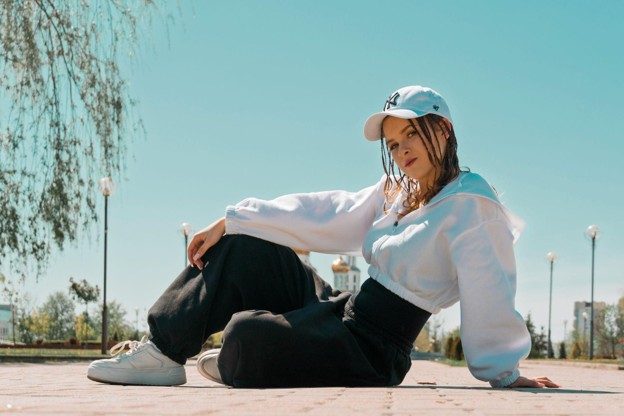
Rap fashion has never stayed still for long. A silhouette that defines one era can feel completely outdated a decade later, only to return with different proportions, fabrics, and styling. Oversized jackets, sports jerseys, fitted denim, luxury tailoring, technical streetwear, and carefully layered outfits have all moved through hip-hop wardrobes without permanently replacing what came before.
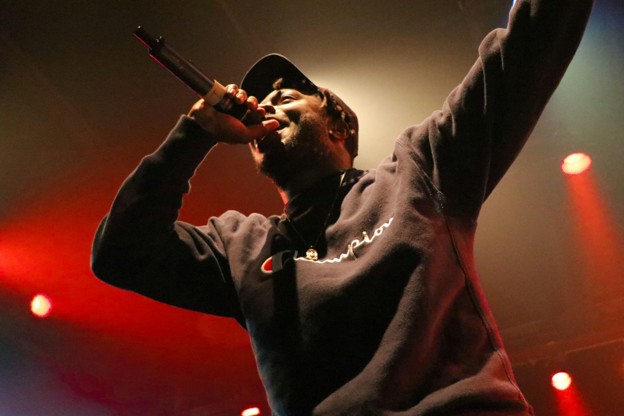
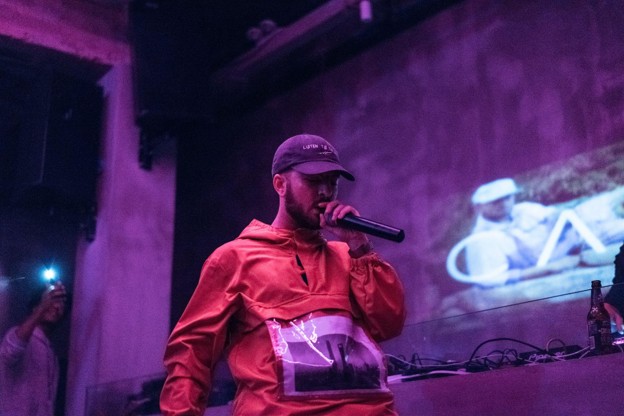
That constant movement is part of the culture’s visual power. Clothing gives artists another way to establish identity before a track even begins. Album covers, music videos, performances, and street photographs turn individual choices into references that fans and designers reinterpret. Rap does not simply follow fashion cycles. It regularly pulls forgotten pieces back into view, combines items that once belonged to separate style worlds, and changes the meaning of familiar clothes. The result is a fashion language built around reinvention rather than one fixed uniform.
Baggy Clothing Was About More Than Size
Oversized silhouettes became one of the most recognizable images associated with rap, particularly through the 1990s and early 2000s. Wide jeans, large jackets, loose shirts, and substantial outerwear created a strong visual presence. Proportion mattered because the entire outfit communicated differently from the fitted clothing promoted elsewhere in mainstream fashion.
The influence of those proportions can still be seen in modern layered outfits, even when the individual garments have changed. A stylist might now place a long wool shawl over knitwear or structured clothing to create movement and depth rather than relying on one oversized jacket. The materials and cultural references are different, but the willingness to experiment with volume remains familiar. Rap fashion has repeatedly shown that silhouette can carry as much personality as logos or color.
Luxury Changed the Rules Without Erasing Streetwear
As rap became more commercially powerful, luxury fashion gained a larger place in its visual vocabulary. Designer names appeared more openly, while high-end accessories, tailoring, and rare pieces became symbols of success. Yet the transition was never as simple as replacing streetwear with expensive clothing.
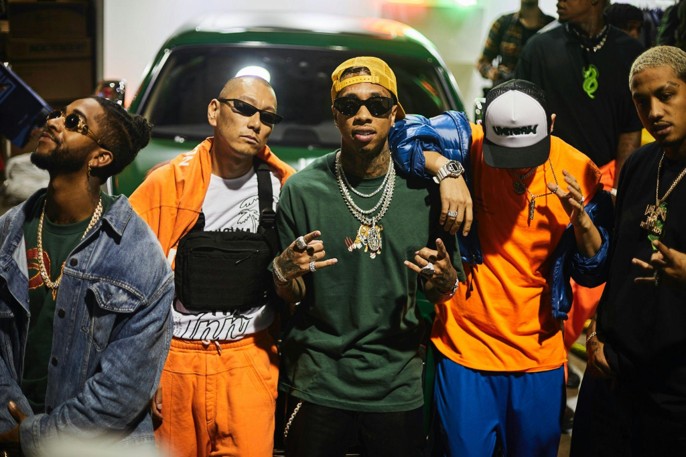
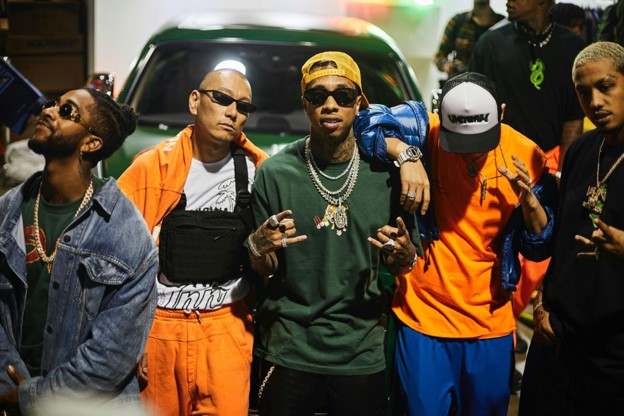
The more interesting change happened when the two worlds were combined. A luxury coat could be worn with sneakers. Tailored trousers appeared beside graphic shirts, while traditional accessories were styled with contemporary streetwear. Pieces that might have looked formal in another setting gained a different character through proportion and combination.
Fashion houses eventually paid closer attention to that influence, but artists continued setting their own rules. The label alone was rarely enough. Styling determined whether an outfit felt distinctive or merely expensive. That emphasis on personal interpretation remains one reason rap fashion changes so quickly.
Layering Created More Room for Individual Style
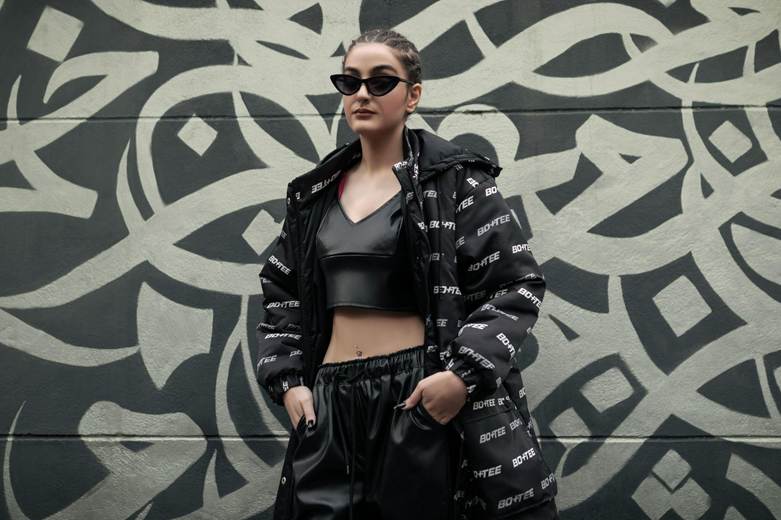
Photo by mehrab zahedbeigi on Unsplash
Layering has become increasingly visible because it gives artists more ways to create a recognizable silhouette. Jackets over hoodies are only the beginning. Shirts can extend beneath cropped outerwear, scarves and wraps can alter the upper body’s shape, and different textures can separate garments even when the colors remain restrained.
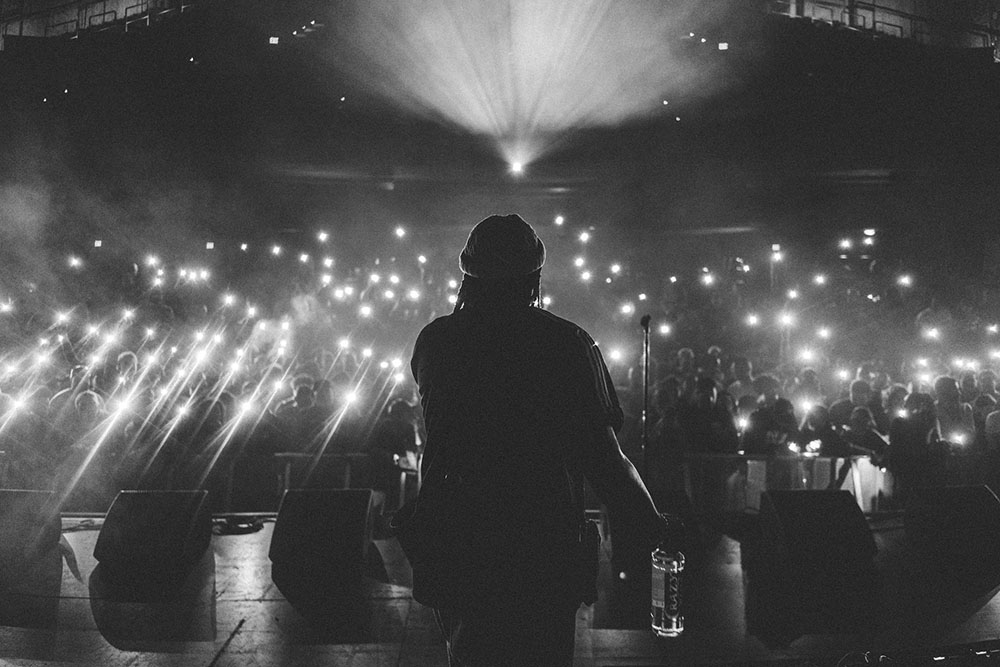
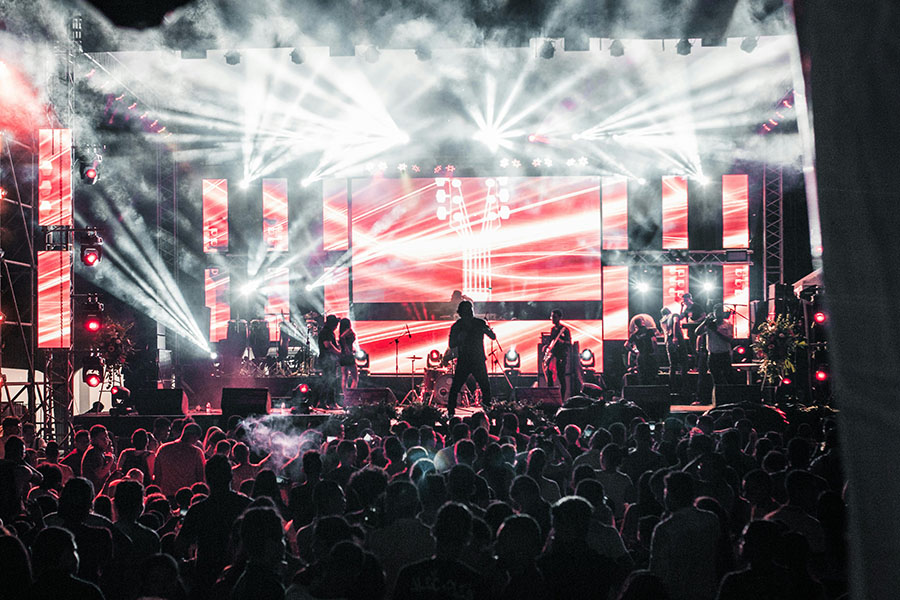
This approach works particularly well in an era when outfits are viewed from every angle. A stage look must work under lighting, while a music video outfit may be paused and examined online. Social media photographs add another level of visibility. Small styling decisions that might once have disappeared can now become the most discussed part of a look.
Layering also allows older garments to return without being copied exactly. A large leather jacket can reference an earlier rap era while being paired with narrower trousers and technical footwear. Knitwear can soften an outfit built around heavier streetwear. Formal coats can sit over casual pieces instead of being reserved for traditional tailoring.
Regional Style Still Shapes What Rap Looks Like
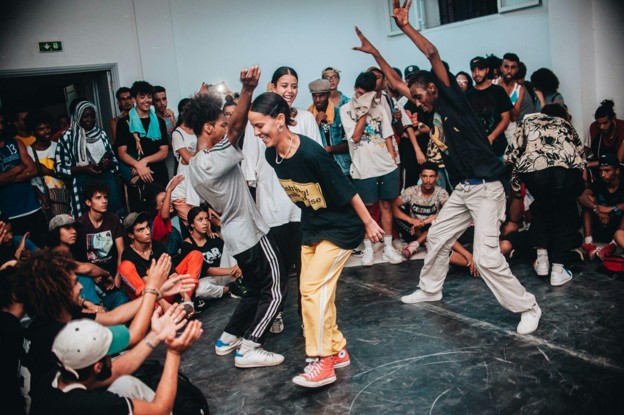
It is easy to discuss rap fashion as though one trend replaces another everywhere at once. In reality, regional scenes have always influenced clothing choices. Climate, local sports culture, nightlife, available stores, and neighborhood style all affect what artists wear before international audiences notice them.
A heavy jacket may become closely associated with one city because it makes practical sense during winter. In a warmer region, lighter shirts, shorts, or specific footwear can become more prominent. Local teams and colors may enter music imagery, while independent designers gain visibility because artists already know their work.
The internet has made these influences travel faster, but it has not completely erased geography. Instead, regional references can be combined more quickly. An artist may borrow a silhouette associated with another city, add luxury pieces from Europe, and finish the outfit with something connected to a local scene.
Old Rap Looks Keep Returning in New Forms
Fashion constantly revisits the past, but rap has a particularly visible archive. Decades of album covers, videos, award shows, magazines, and concert footage provide endless references for younger artists and stylists. A jacket shape or accessory can disappear for years before returning to an audience that sees it as fresh.
The return is rarely an exact copy. Modern fabrics change how garments fall, while new footwear alters proportions from the ground up. Contemporary styling may also use fewer logos or a more restrained color palette. The reference remains recognizable without turning the entire outfit into a costume.
This cycle explains why declaring one rap fashion era permanently over usually proves premature. Baggy jeans returned after years of slimmer silhouettes. Sports influences repeatedly move in and out of focus. Leather, knitwear, workwear, and technical garments are continually reconsidered according to the artists wearing them.
Rap fashion keeps reinventing itself because personal identity remains more important than strict rules. Artists use clothing to signal where they come from, what they value, and how they want to be seen. As those identities change, the clothes change with them.
The next major look may involve a new fabric or an unfamiliar designer, but it may just as easily begin with a forgotten piece pulled from an earlier decade. In rap, reinvention often starts by looking backward and deciding that an old idea can say something completely different now.

Guest Account for Paid And Sponsored Content on Raptology.com. Posts by Guest Authors are independent of our regular editorial content.





Leave a Reply