
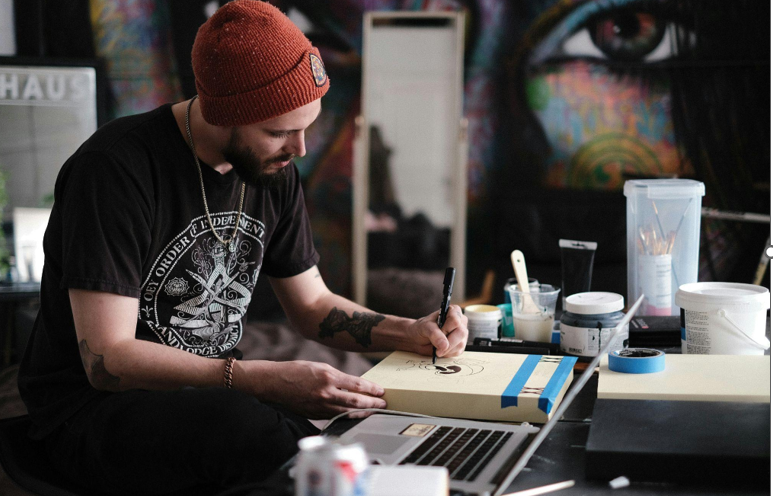
Long studio sessions often look calm from the outside, but many artists spend hours working in physically repetitive positions without fully noticing how much strain builds throughout the day. Painters, designers, sculptors, musicians, tattoo artists, photographers, and digital creators frequently remain focused on detailed work for long stretches with very few movement breaks in between.
Creative work can therefore become surprisingly exhausting both mentally and physically. Tight shoulders, wrist discomfort, lower back tension, eye fatigue, and general physical stiffness often develop gradually during extended sessions. Many artists eventually realize that recovery habits matter just as much as creative discipline if they want to maintain consistency without burning out physically.
The routines artists rely on most are usually the ones helping them recover comfortably enough to continue creating regularly over long periods of time.
Repetitive Movements Create Physical Tension
Many forms of creative work involve repetitive physical movement that quietly builds strain over time. Drawing, editing, painting, sewing, carving, mixing audio, or working on digital tablets often keeps the body locked into similar positions for hours.
This type of repetition usually affects the shoulders, wrists, neck, and lower back first because those areas absorb most of the tension during focused studio work. Artists frequently stay mentally engaged long enough that they ignore physical discomfort until the session finally ends.
Long creative sessions often become physically demanding in ways people outside artistic fields rarely notice.
Sitting for Long Periods Affects Energy Too
Another challenge many artists face is remaining seated or stationary for extended stretches while concentrating deeply on projects. Even highly creative work can become physically draining when movement stays limited for too long throughout the day.
Mental focus also tends to increase physical tension because people unconsciously tighten muscles while concentrating. This combination of repetitive movement and limited mobility often leaves artists feeling stiff and mentally exhausted after long studio sessions.
Movement breaks usually help more than people initially expect during creative workdays.
Recovery Habits Become Part of Creative Routine
Many experienced artists eventually build recovery habits directly into their creative routines because physical discomfort can easily interrupt consistency over time.
Stretching, walking, hydration, quieter evenings, posture adjustments, and recovery-focused nighttime routines often help creative professionals maintain energy more sustainably during demanding projects or deadlines.
Time spent painting, editing, or working at drawing tables usually causes people a lot of back tension. That’s why they tend to apply CBD cream before bed after physically tense studio sessions involving repetitive movement and limited mobility.
Eye Strain and Mental Fatigue Often Overlap
Digital artists and editors especially deal with prolonged screen exposure that creates both eye strain and mental exhaustion during long projects. Staring intensely at detailed work for hours often leaves people feeling mentally overstimulated even when they have not moved very much physically.
This is one reason many artists intentionally reduce stimulation after studio sessions instead of jumping immediately into more screen-heavy activities during the evening.
Lower lighting, music, stretching, and quieter recovery habits often help the nervous system decompress more naturally after highly focused workdays.
Studio Environments Affect Physical Comfort
Creative workspaces themselves also strongly influence how physically manageable long sessions feel. Chair support, lighting, desk height, airflow, and room organization often determine how much strain builds throughout the day.
Small ergonomic adjustments frequently improve comfort much more than artists initially expect. Better posture support and movement-friendly setups usually help reduce physical fatigue over longer creative sessions.
The smoother the workspace feels physically, the easier it becomes to stay creatively focused without unnecessary discomfort.
Artists Often Ignore Discomfort Too Long
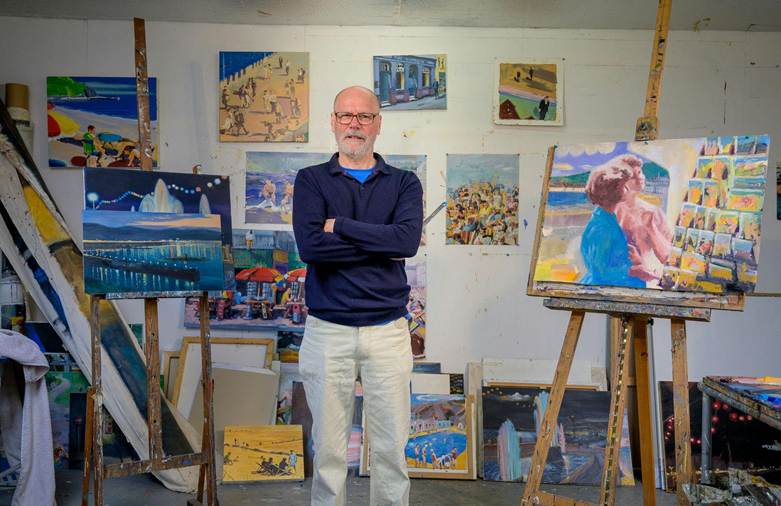
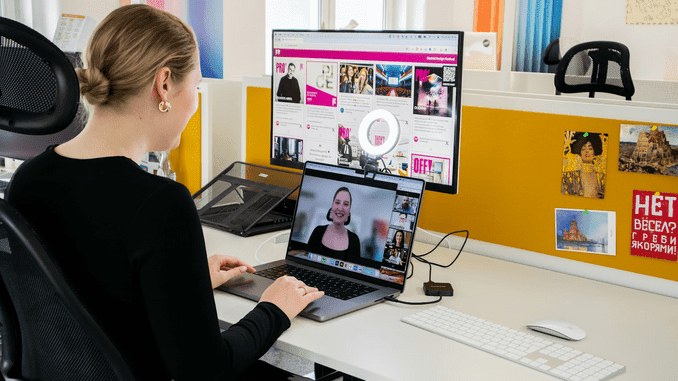
Photo by Centre for Ageing Better on Unsplash
One common issue within creative work is that many artists continue working through discomfort because they become mentally absorbed in projects. Hours pass quickly during highly focused creative sessions, which means physical tension often goes unnoticed until stiffness becomes difficult to ignore later.
This habit frequently leads people to delay recovery until pain or fatigue becomes more disruptive than manageable.
Smaller recovery habits usually work best when they happen consistently instead of only after physical discomfort becomes severe.
Creative Work Can Be Emotionally Exhausting Too
Long studio sessions are often emotionally demanding as well. Deadlines, perfectionism, client expectations, creative pressure, and intense concentration frequently leave artists mentally drained even after physically stationary workdays.
This emotional fatigue often increases physical tension because stress naturally affects posture, breathing, sleep quality, and muscle tightness over time.
Recovery therefore becomes important not only physically but mentally too.
Smaller Habits Usually Support Long-Term Consistency
Many artists discover that consistency depends less on pushing harder and more on protecting physical and mental sustainability throughout creative work.
Hydration, movement breaks, stretching, posture awareness, quieter evenings, and manageable recovery habits often help artists continue producing work more comfortably during busy creative periods.
The goal is usually maintaining enough physical comfort to keep creating regularly without constant exhaustion.
Creative Careers Often Depend on Sustainable Recovery
Creative professionals frequently spend years repeating the same physical patterns during studio work, which makes long-term recovery habits especially important.
According to the Cleveland Clinic, repetitive movement, prolonged sitting, poor posture, and limited movement breaks may contribute to muscle tension, stiffness, and chronic discomfort over time.
Artists Usually Perform Better When Recovery Improves
The recovery products and habits artists rely on most are often the ones helping them continue creating comfortably without physical exhaustion building week after week.
Stretching, movement, posture support, quieter routines, and recovery-focused habits all help creative work feel more sustainable during long studio periods filled with concentration and repetitive movement.
As creative careers become increasingly screen-heavy and sedentary, many artists are realizing that protecting physical comfort is becoming just as important as protecting creative inspiration itself.

Guest Account for Paid And Sponsored Content on Raptology.com. Posts by Guest Authors are independent of our regular editorial content.












Leave a Reply