
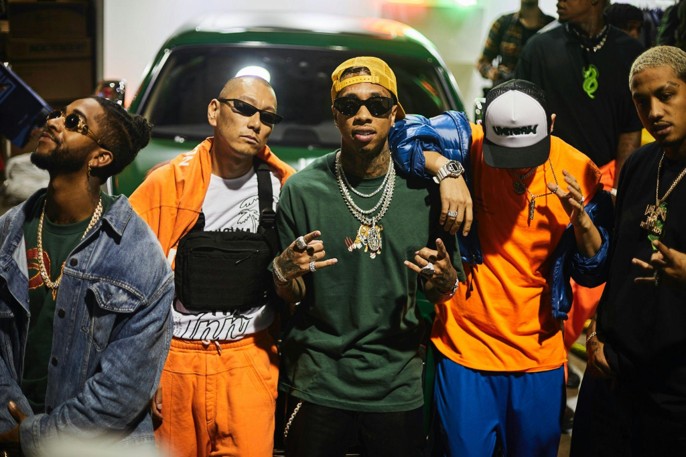
When people think about starting a rap career, they usually focus on the obvious expenses. Recording sessions, beats, music videos, and promotional campaigns tend to dominate the conversation. While these costs are certainly important, they are far from the only financial challenges artists face.
Many new rappers discover that the biggest strain on their budget comes from expenses they never anticipated. As opportunities increase, so do the logistical costs associated with building a professional career. Unfortunately, these hidden expenses often appear long before consistent income arrives.
Understanding where money typically goes can help artists make smarter decisions and avoid unnecessary financial pressure during the early stages of growth.
Travel Costs Add Up Faster Than Expected
Most artists are willing to invest in travel when opportunities arise. The problem is that transportation expenses rarely arrive alone.
A performance may require fuel, parking, tolls, meals, accommodations, and additional transportation costs. Artists traveling with managers, DJs, photographers, or crew members may face even larger bills.
Many emerging performers accept opportunities that appear profitable on paper only to discover that travel expenses consume a significant portion of their earnings. Learning to calculate the true cost of an appearance is an important skill that many artists develop through experience.
Success often involves leaving home, but every trip should be evaluated carefully.
Merchandise Requires Upfront Investment
Merchandise can become an important revenue source for independent artists. Shirts, hoodies, hats, posters, and accessories provide opportunities to generate income while strengthening fan engagement.
However, merchandise usually requires upfront spending before a single item is sold. Design work, production costs, shipping, storage, and inventory management all create financial commitments.
Many artists underestimate how much organization merchandise requires. Unsold inventory takes up space, and managing it becomes increasingly complicated as product offerings expand.
The challenge is balancing growth opportunities with realistic expectations about demand.
Equipment Purchases Never Really End
Most artists expect to purchase microphones, headphones, or recording software at some point. What surprises many is how frequently equipment needs evolve.
New projects often require additional gear. Live performances may create demand for different equipment than studio sessions. Backup equipment becomes necessary as schedules become more demanding.
Small purchases accumulate over time. Cables, hard drives, stands, lighting equipment, cases, and accessories rarely attract attention individually, but together they can represent a substantial investment.
Artists who budget only for major purchases often overlook these ongoing costs.
Storage Becomes a Real Business Problem
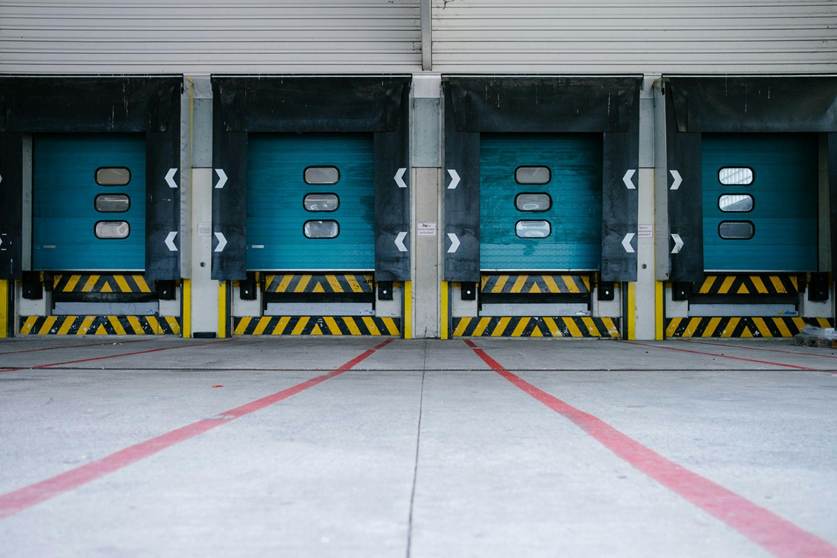
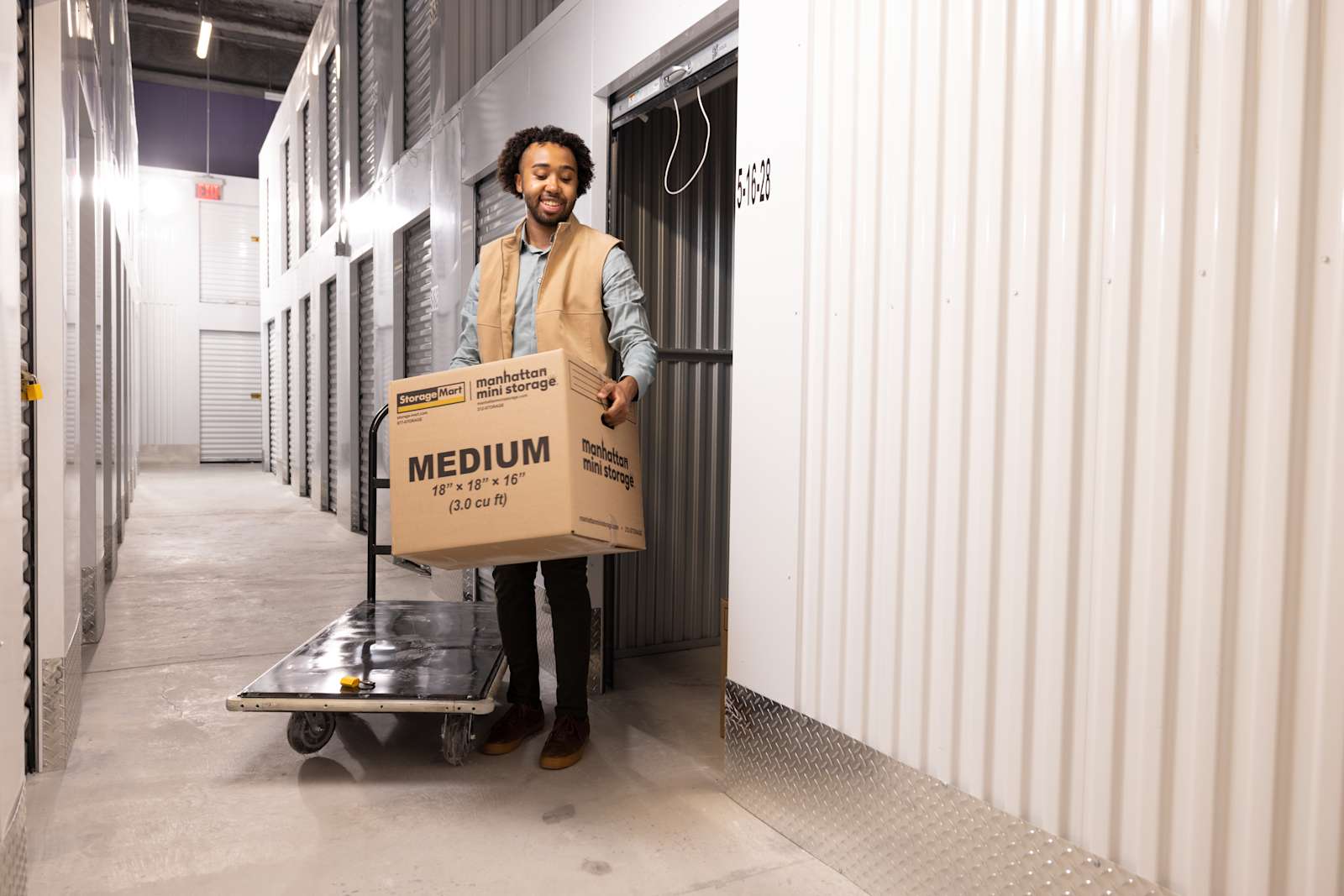
As careers develop, artists begin accumulating far more than music files. Merchandise, promotional materials, event equipment, photography gear, video equipment, stage props, and archived inventory all require space.
Many artists initially store everything at home. Eventually, spare bedrooms, closets, garages, and storage areas become overcrowded. This can create both organizational problems and unnecessary stress.
As inventory and equipment grow, some artists explore solutions offered by Wheekeep while evaluating how to keep business-related items organized without sacrificing valuable living or studio space. Having a system for managing physical assets often becomes increasingly important as a music career becomes more professional.
Organization may not seem glamorous, but it can save significant time and money.
Content Creation Is More Expensive Than It Looks
Modern music promotion relies heavily on content. Social media clips, behind-the-scenes footage, interviews, photoshoots, visualizers, and promotional videos all help artists stay visible.
While some creators handle these tasks independently, many eventually hire photographers, videographers, editors, or graphic designers. The cost of producing consistent content can become one of the largest ongoing expenses in an artist’s budget.
This is particularly true because content creation is rarely a one-time investment. Audiences expect regular updates, which means production costs often continue month after month.
The challenge is finding a sustainable balance between visibility and spending.
The Most Successful Artists Learn Financial Discipline Early
Talent remains essential, but financial management often plays a larger role in long-term success than many artists expect.
Careers rarely fail because of a single expensive decision. More often, problems arise when numerous small expenses accumulate without a clear strategy. Travel, merchandise, equipment, storage, and content production can all provide value, but only when managed thoughtfully.
Artists who understand their costs gain more control over their careers. They can evaluate opportunities more effectively, avoid unnecessary spending, and make decisions that support long-term growth rather than short-term excitement.
The rap career expenses that catch people off guard are rarely the flashy ones. More often, they are the practical costs that appear behind the scenes as a creative project gradually transforms into a business.

Guest Account for Paid And Sponsored Content on Raptology.com. Posts by Guest Authors are independent of our regular editorial content.






Leave a Reply