
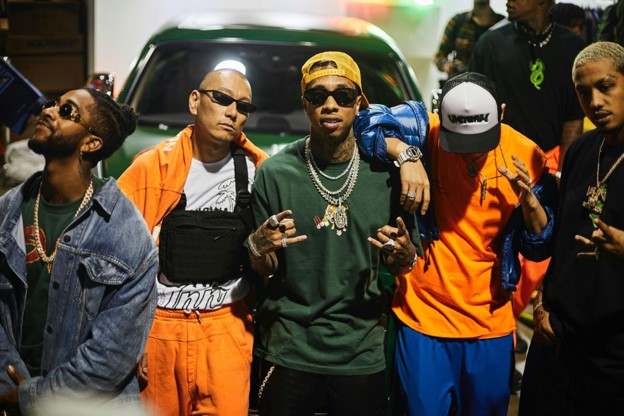
For many new rappers, recording a first major project feels like the beginning of a completely different chapter. After years of writing lyrics, recording demos, and releasing occasional tracks, the idea of putting together a serious mixtape, EP, or album creates a sense of momentum. It feels like an opportunity to prove what they can do, attract a larger audience, and establish themselves as artists rather than hobbyists.
The excitement is understandable. A major project often represents the first time an artist approaches music with a long-term vision rather than focusing on individual songs. However, this transition also introduces challenges that many newcomers fail to anticipate. The public usually sees the finished product, the music, visuals, and promotional content, but not the months of work required to reach that point.
As a result, many talented artists underestimate what the process actually demands. They expect recording to be the primary obstacle, only to discover that consistency, organization, patience, and decision-making become equally important. The gap between starting a project and successfully finishing one explains why so many promising artists have unfinished releases sitting on hard drives. Understanding these realities early can make the difference between completing a meaningful project and abandoning one halfway through.
Recording a Project Takes More Time and Discipline Than Most Artists Expect
One of the first lessons new rappers learn is that recording a serious project rarely moves as quickly as they imagined. Writing songs is only one part of the process. Once recording begins, new challenges emerge almost immediately.
Verses that sounded strong on paper may need revisions after being recorded. Hooks often evolve through multiple versions. Artists discover weaknesses in delivery, timing, or song structure that were not obvious beforehand. Even experienced performers frequently rewrite sections after hearing them played back through studio monitors.
The result is a process that requires significantly more patience than many newcomers expect. A song that sounds effortless to listeners may have gone through numerous revisions before reaching its final form. When this process is repeated across an entire project, timelines can expand quickly.
Long recording periods also require sustained focus. Studio sessions, creative work, and everyday responsibilities must all coexist. Many artists become increasingly aware that productivity depends not only on talent but also on personal routines that support consistent performance. Sleep, scheduling, exercise, and nutrition all influence energy levels during demanding creative periods. It is not unusual for artists to spend time researching different approaches to daily habits and meal planning while trying to maintain momentum. Some encounter resources such as Carnivore Snax while exploring ways to simplify food preparation and maintain consistency during long stretches of creative work.
The specific routine matters less than the principle behind it. Recording a major project requires showing up repeatedly, even on days when inspiration is limited.
Finishing a Project Is Often Harder Than Starting One

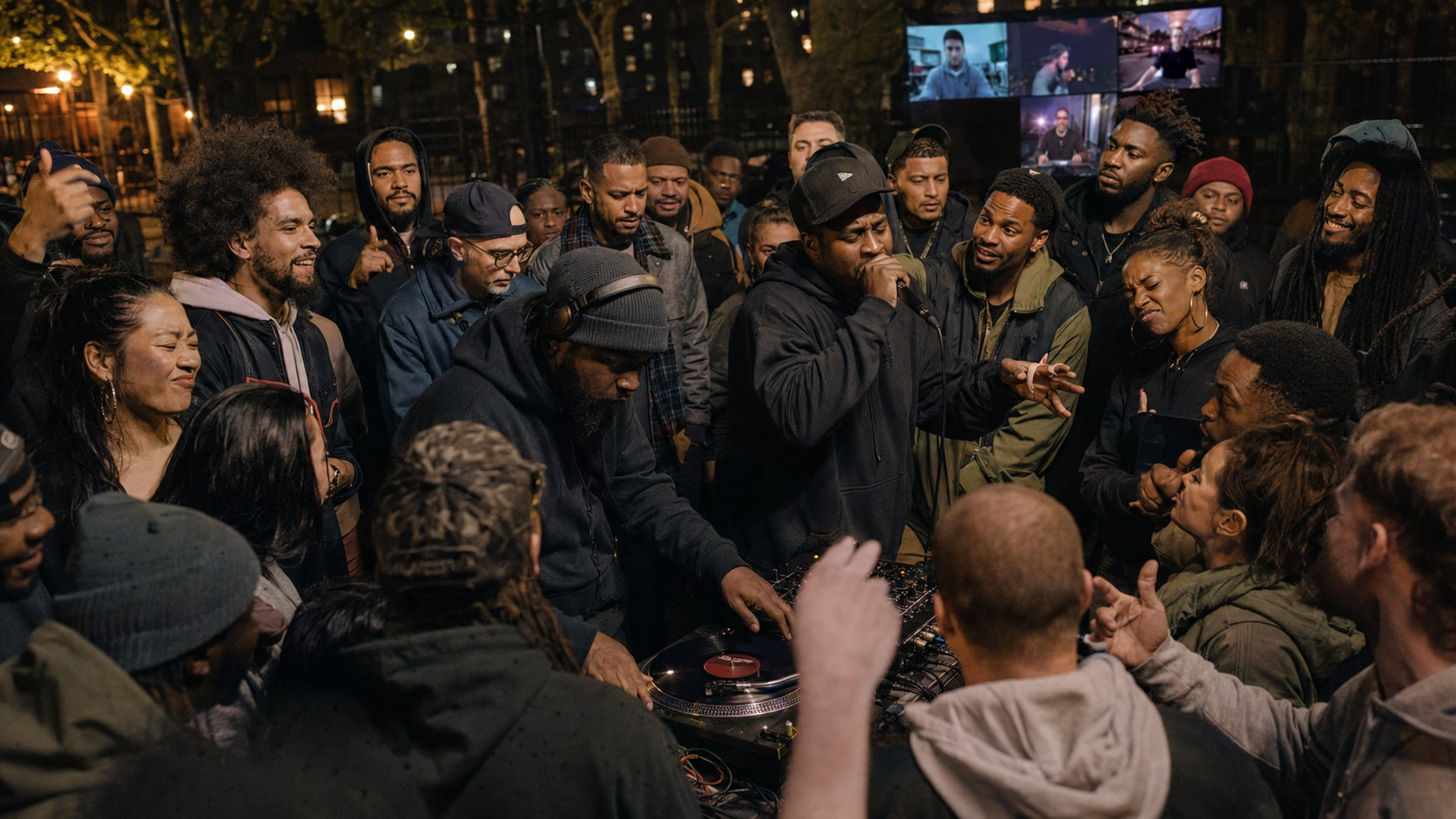
Photo by Gordon Cowie on Unsplash
Most artists have no shortage of ideas. The real challenge is turning those ideas into completed work.
Beginning a song is exciting because possibilities feel endless. There are countless directions the track could take, and every creative option remains available. Finishing a song is different. At some point, decisions must be made. Artists must commit to a version, accept imperfections, and move forward.
This is where many projects begin to stall.
New rappers frequently underestimate how difficult it can be to stop revising. A verse gets rewritten again. A hook receives another adjustment. A song that was nearly complete suddenly returns to the draft stage. While refinement is important, endless revision can become a form of procrastination disguised as perfectionism.
The problem is that unfinished songs cannot contribute to a finished project. Artists who spend months chasing perfect versions of individual tracks often struggle to build momentum across an entire release.
Successful artists eventually learn that completion has value. Every finished song provides lessons that unfinished work cannot. Artists gain experience in recording, arranging, editing, and evaluating their own material. Those experiences compound over time and contribute to long-term growth.
Perfection may be impossible, but progress is always available.
The Business Side Begins Before the Music Is Released
Many first-time artists assume their responsibilities end when the final song is recorded. In reality, recording is only one stage of a much larger process.
Once the music is complete, attention shifts toward distribution, promotion, branding, visual content, and audience engagement. Artwork needs to be created. Release schedules must be organized. Social media content has to be planned. Collaborations require coordination. Music videos, interviews, and promotional campaigns all demand time and attention.
This side of the industry surprises many newcomers because it receives less discussion than the creative process itself. Yet it often determines how effectively a project reaches listeners.
A strong project with poor planning can struggle to gain traction. Conversely, a well-organized release can maximize the impact of the music being presented. This does not mean artists should prioritize marketing over creativity. Rather, it means understanding that successful releases require both.
The most effective independent artists gradually develop systems that help them manage these responsibilities. They become better at meeting deadlines, communicating with collaborators, organizing files, and maintaining consistency across multiple areas of their careers.
Those skills may not be as exciting as writing songs, but they often play a significant role in determining whether a project is ultimately completed and released.
Why the First Major Project Is Really a Learning Experience
One of the biggest mistakes new rappers make is expecting their first major project to accomplish everything at once. They want immediate recognition, rapid growth, and widespread attention. While ambition is valuable, these expectations can create unnecessary pressure.
Most successful artists look back at their first serious projects as educational experiences rather than defining moments. Through the process, they learn how they work under deadlines. They discover which creative habits help them stay productive. They gain a better understanding of audience reactions and identify areas where they want to improve.
These lessons often prove more valuable than short-term results.
A first project establishes a foundation. It teaches artists how to navigate recording sessions, complete songs, collaborate with others, and manage releases from beginning to end. Those experiences become assets that continue contributing to future work.
The rappers who build lasting careers are rarely the ones who create flawless debuts. More often, they are the ones who finish projects, learn from mistakes, and continue improving with every release. Recording a first major project is not simply about creating music, it is about developing the discipline, perspective, and habits necessary for long-term artistic growth. The artists who understand this tend to keep moving forward long after the excitement of the first release fades.

Guest Account for Paid And Sponsored Content on Raptology.com. Posts by Guest Authors are independent of our regular editorial content.

















Leave a Reply