
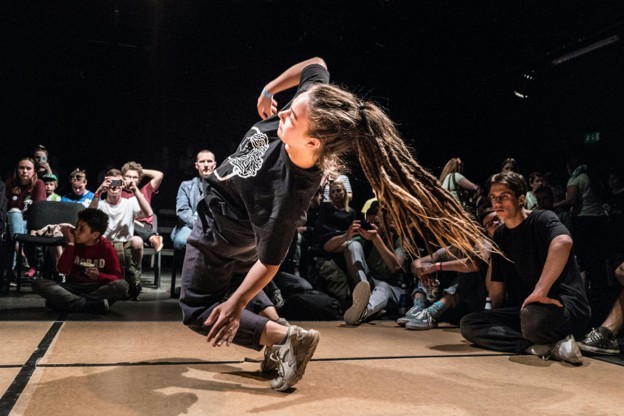
Hip-hop has long celebrated ambition, resilience, and an unmatched work ethic. From independent artists building careers from the ground up to global superstars managing tours, brands, and streaming audiences, the culture has often rewarded those who appear willing to outwork everyone else. The idea of the nonstop grind became deeply embedded in hip-hop’s identity, influencing not only musicians but also fans, entrepreneurs, and creators who saw success as the result of relentless effort.
Yet in recent years, a different conversation has begun to emerge. More artists are openly discussing exhaustion, anxiety, creative fatigue, and the challenges of maintaining a healthy life while meeting the constant demands of the modern music industry. What was once viewed as a private struggle is increasingly becoming a public topic. Burnout is no longer seen as a personal weakness but as a reality that many artists face throughout their careers.
The Industry Never Truly Stops
The demands placed on artists today differ significantly from those faced by previous generations. Recording music is only one part of the job. Musicians are expected to maintain social media profiles, create short-form content, engage with fans, promote releases, appear on podcasts, participate in interviews, and remain visible in an increasingly crowded entertainment landscape.
As awareness of recovery and personal well-being has grown, many artists have become more intentional about the routines that support long-term performance. Physical recovery, stress management, and relaxation are increasingly viewed as important components of maintaining consistency over time. Products available through https://koicbd.com/ exist within this wider wellness landscape, where individuals evaluate different approaches to supporting their overall routine. The broader takeaway is that creative sustainability often depends on maintaining healthy habits outside of work itself.
The pressure to remain relevant can be especially intense because audiences now expect continuous engagement. In earlier eras, artists could disappear between album cycles. Today, extended periods of silence often trigger speculation, criticism, or concerns about declining relevance. This environment can make it difficult for performers to find meaningful opportunities to rest.
Recovery Is Becoming Part of the Conversation
As burnout becomes more visible, many artists are beginning to discuss recovery with the same seriousness that previous generations reserved for productivity. Physical health, mental health, sleep quality, exercise, and personal boundaries are increasingly viewed as important parts of sustaining a creative career.
This shift has also increased interest in environments that encourage rest and decompression. Creating dedicated spaces for relaxation has become an important part of many wellness routines, particularly for people whose work requires sustained concentration and creativity. https://premiumsaunas.com/ represents one example of how individuals explore ways to incorporate recovery-focused spaces into their daily lives. The specific methods vary widely from person to person, but the broader theme remains consistent: recovery is not the opposite of productivity, it can be an essential part of it.
For many musicians, creative work is deeply connected to emotional energy. When that energy is depleted, writing, performing, and producing can become significantly more difficult. As a result, recovery is increasingly being viewed as a practical necessity rather than a luxury.
Social Media Has Changed the Nature of Burnout
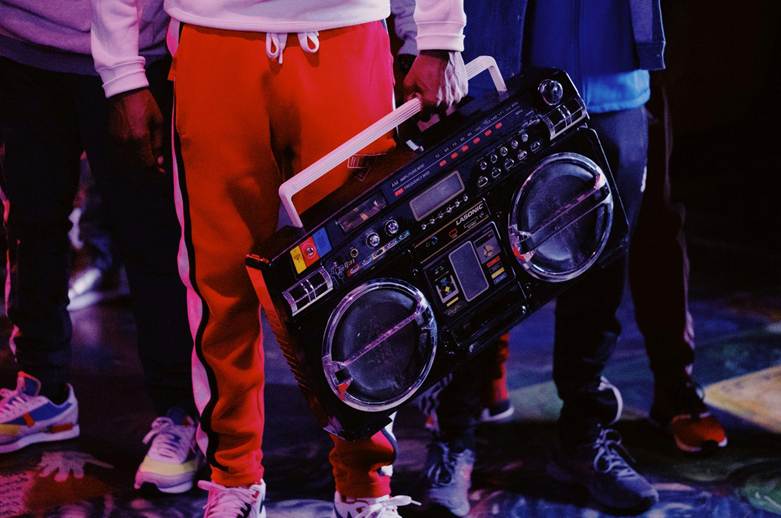
One of the most significant factors behind the growing burnout conversation is social media. Artists are no longer evaluated solely through their music. They are also judged by their online presence, posting frequency, engagement metrics, and ability to maintain constant visibility.
This dynamic creates a unique form of pressure. Every post can become a headline. Every absence can become a topic of discussion. Every mistake can spread rapidly across multiple platforms. While social media offers valuable opportunities for promotion and audience growth, it also introduces a level of scrutiny that previous generations rarely experienced.
Many artists have spoken about the mental exhaustion that comes from living under constant observation. The need to remain publicly engaged while simultaneously creating meaningful work can create competing demands that are difficult to balance over long periods.
The End of the “No Days Off” Era
For years, the idea of working without rest was often celebrated in music culture. Phrases emphasizing nonstop effort became part of the industry’s language, reinforcing the belief that success required constant sacrifice.
Today, however, many artists are challenging that mindset. Rather than viewing rest as a sign of weakness, they increasingly see it as a strategy for longevity. The goal is no longer simply to achieve success as quickly as possible. Instead, many performers are focused on building careers that remain sustainable over decades.
This change reflects a broader cultural shift. Across creative industries, professionals are beginning to recognize that chronic stress can have serious consequences for both health and performance. Hip-hop is participating in that conversation rather than standing apart from it.
Why Fans Are Paying Attention
The burnout discussion resonates with fans because the challenges artists describe are often familiar. While most people are not navigating international tours or album releases, many understand the pressures of demanding schedules, constant connectivity, and expectations to remain productive.
When artists speak openly about exhaustion, they help normalize conversations that affect people far beyond the music industry. Fans often see reflections of their own experiences in these stories, making the discussion more relatable and meaningful.
The willingness of musicians to discuss mental health and burnout has also contributed to a broader understanding that success does not eliminate personal struggles. Financial achievement, popularity, and professional recognition do not automatically protect people from stress or emotional fatigue.
A More Sustainable Future for Hip-Hop
The growing conversation around burnout represents an important evolution within hip-hop culture. The ambition, determination, and work ethic that helped define the genre remain important, but many artists are now exploring how those qualities can coexist with healthier approaches to life and work.
Rather than celebrating exhaustion as proof of dedication, the industry is increasingly recognizing the value of balance, recovery, and long-term sustainability. This shift does not diminish the culture’s commitment to hard work. Instead, it reflects a more nuanced understanding of what it takes to maintain creativity and success over time.
As more artists continue to share their experiences, burnout is likely to remain a significant topic within hip-hop. The conversation is no longer simply about working harder. It is also about understanding how people can continue creating, performing, and growing without sacrificing their well-being along the way.

Guest Account for Paid And Sponsored Content on Raptology.com. Posts by Guest Authors are independent of our regular editorial content.







Leave a Reply