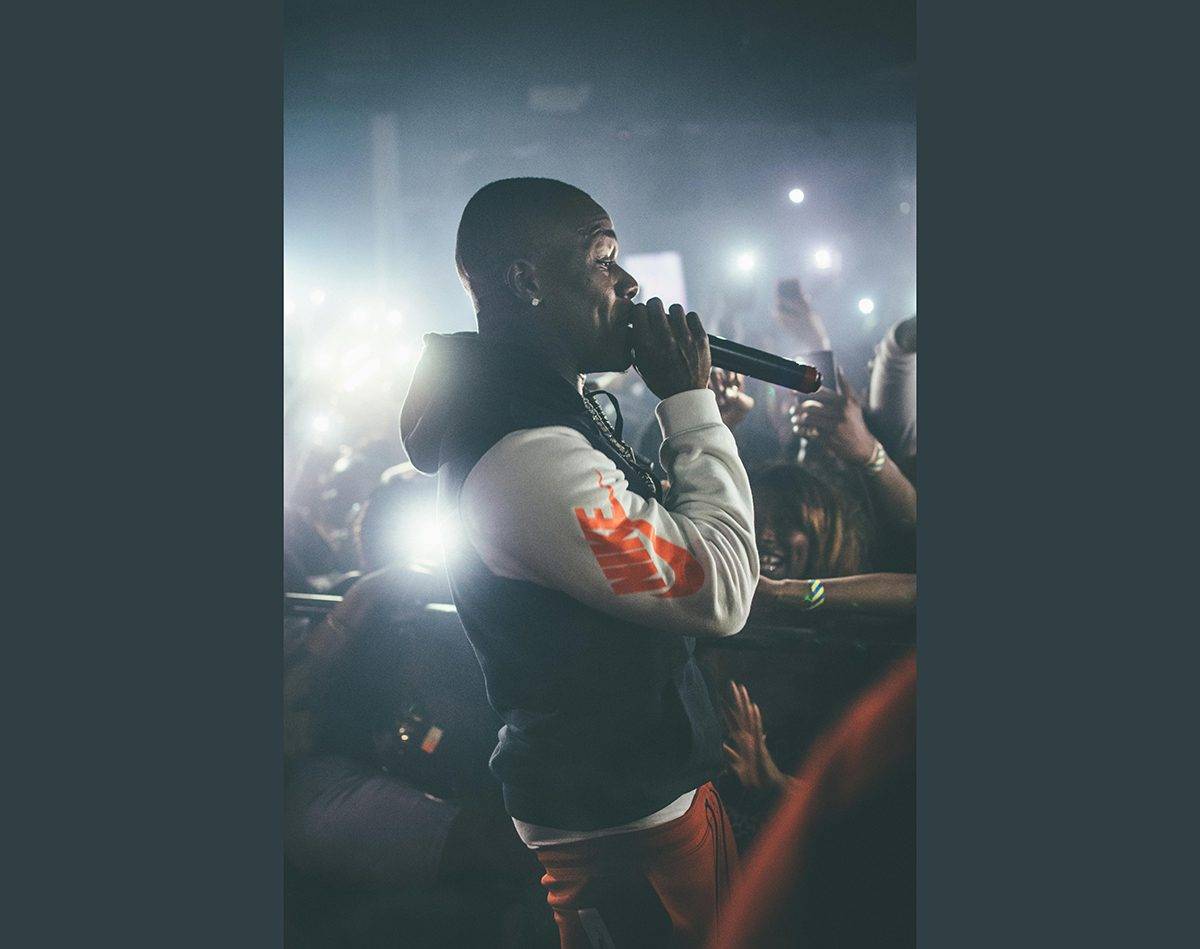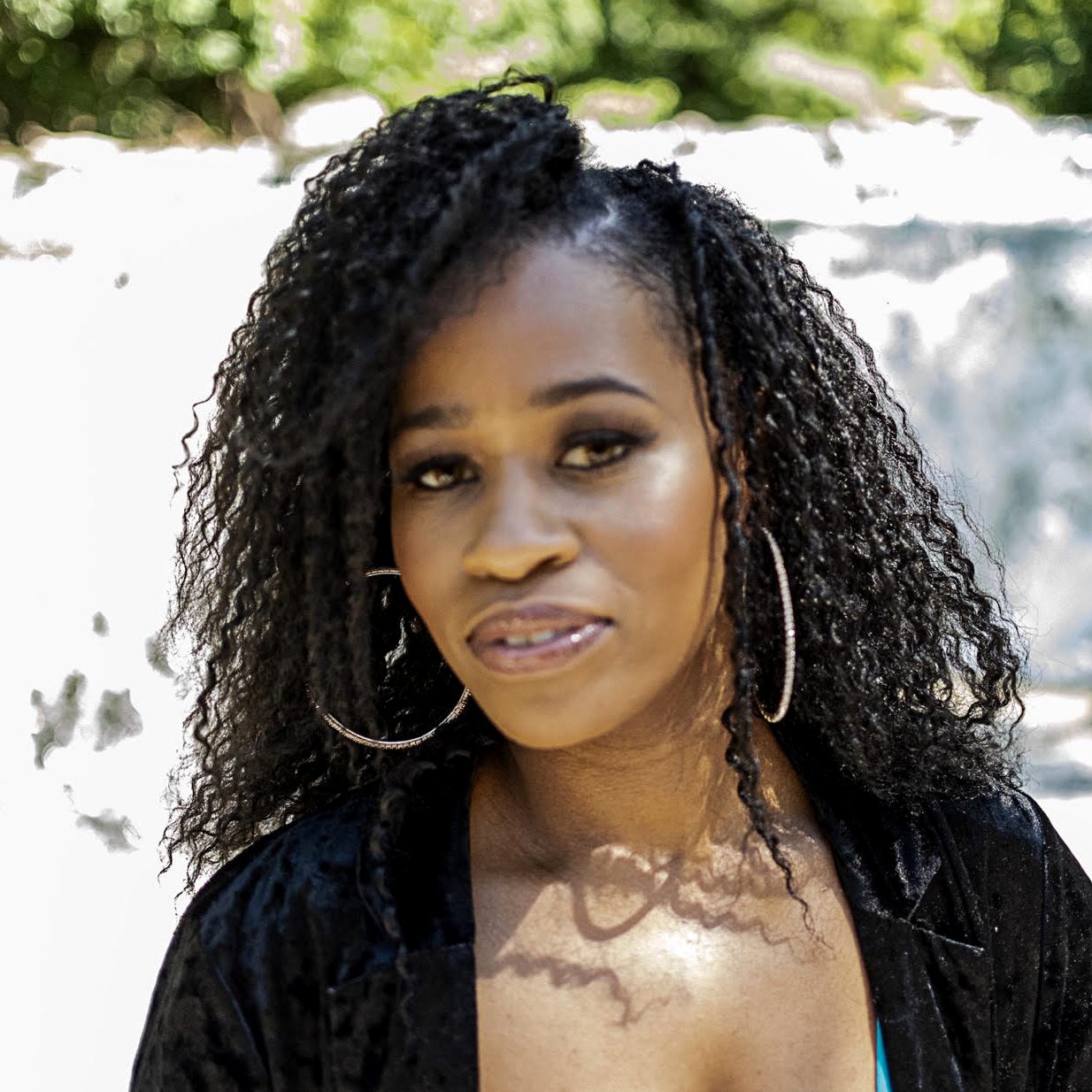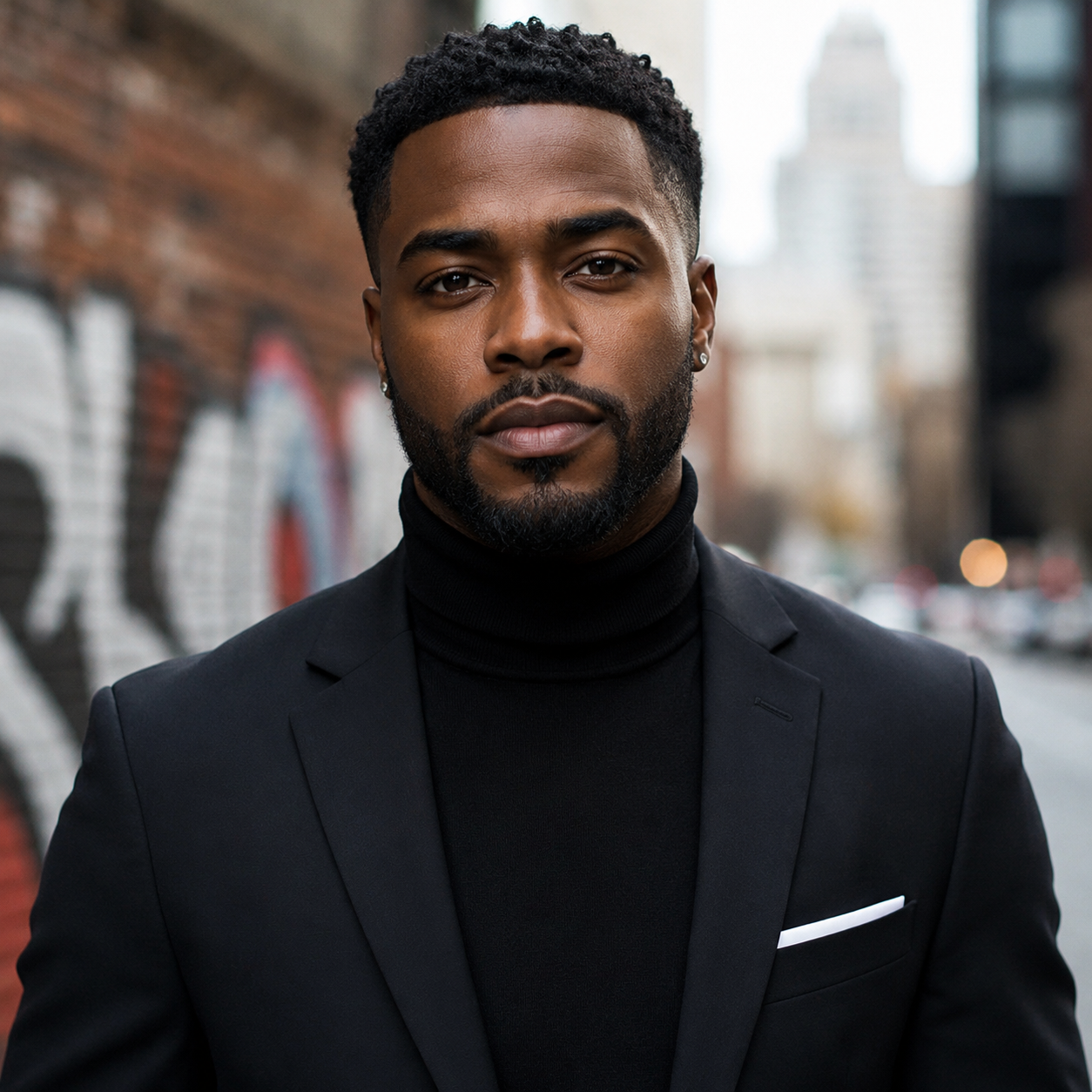
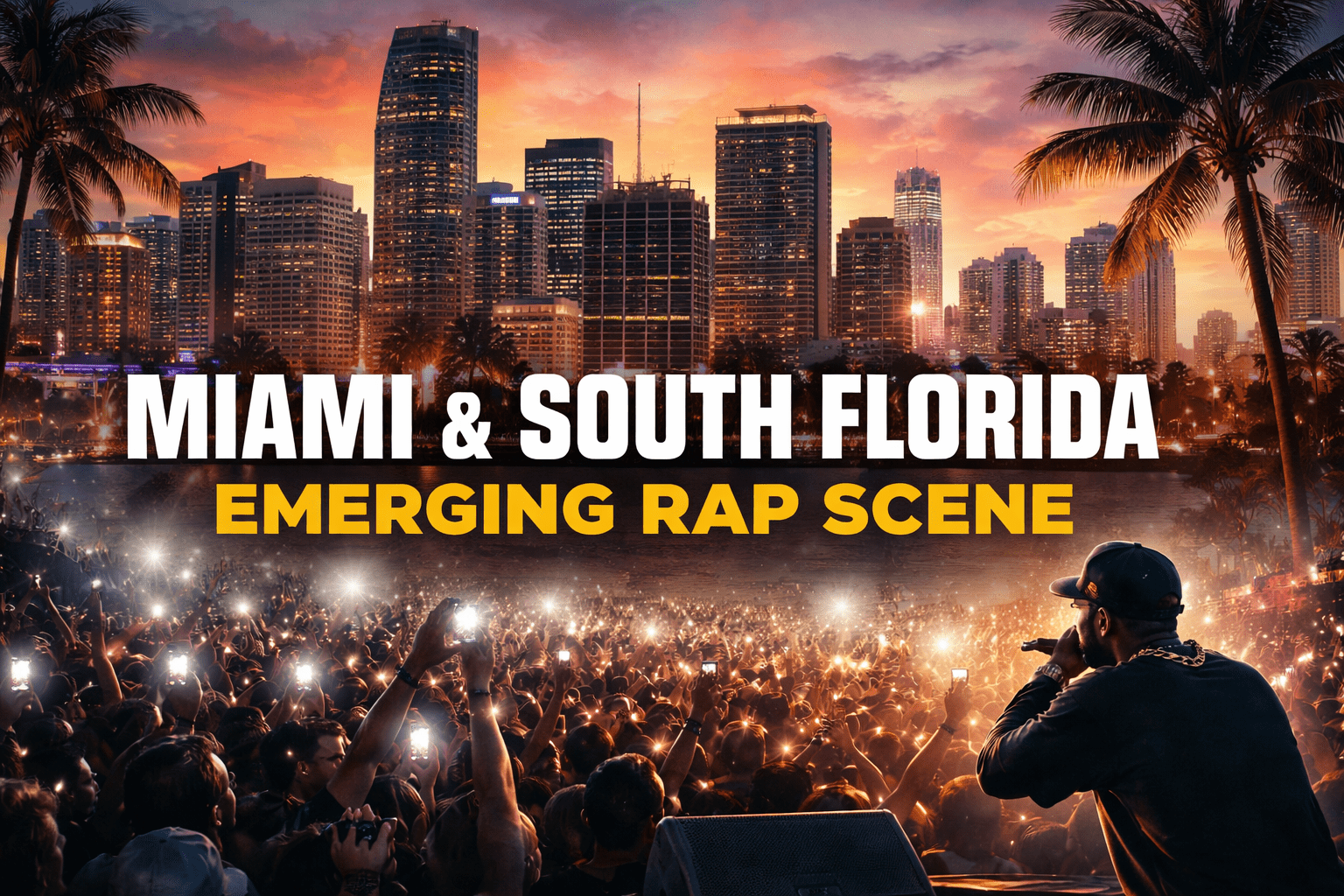
MIAMI, FL – While New York may claim the birthplace of hip-hop, South Florida continues to define some of the culture’s most commercially disruptive movements, from Miami bass and club anthems to SoundCloud-era rage rap and the emotionally raw Broward wave that reshaped independent music in the late 2010s and continues evolving in 2026.
Today, the Miami–Broward–Palm Beach corridor remains one of the most important regional ecosystems in American rap, fueled by nightlife, streaming-first artist discovery, festival infrastructure, and one of the most social-media-active fan bases in the country.
What makes South Florida unique is that it does not produce just one sound.
Instead, the region constantly reinvents itself.
The legacy begins with pioneers such as 2 Live Crew, whose Miami bass movement helped push rap into club culture and national controversy in the late 1980s, followed by artists such as Trick Daddy, Trina, Rick Ross, Pitbull, and DJ Khaled.
But the modern emerging scene is now being carried by a younger class of artists rising through Miami, Fort Lauderdale, Hollywood, Broward County, and Palm Beach County.
Broward’s Lasting Legacy
No modern South Florida rap report can ignore Broward County.
The post-2016 explosion led by XXXTentacion and Ski Mask the Slump God permanently changed the DNA of independent hip-hop.
That movement introduced a new blueprint: direct-to-streaming releases, emotionally vulnerable songwriting, distorted production, and internet-first artist branding.
Even in 2026, younger artists across Hollywood, Miramar, Pembroke Pines, and Fort Lauderdale still cite that Broward wave as a major influence.
Names increasingly mentioned in local circles include Loe Shimmy, BossMan Dlow, Wizz Havinn, Danny Towers, and YTB Fatt affiliates performing frequently across the South Florida market.
Loe Shimmy, in particular, has become one of the most watched names among Florida’s younger melodic street rap artists, building strong streaming momentum and regional buzz.
Wizz Havinn continues attracting significant attention through his gritty storytelling and strong street authenticity.
Miami’s Club-to-Streaming Pipeline
Miami itself remains one of the strongest markets for converting nightlife buzz into digital traction.
Unlike many cities where underground artists remain online-only, Miami still offers a physical ecosystem:
- clubs
- showcases
- artist networking events
- festival side stages
- video shoot environments
- tourist-driven nightlife exposure
Wynwood, Downtown Miami, Brickell, and South Beach continue serving as high-visibility launchpads for visuals and performances.
This physical visibility is one reason South Florida artists often scale faster than artists in smaller markets.
Rolling Loud & National Visibility
The region’s greatest structural advantage remains Rolling Loud.
Founded in Miami in 2015, the festival created one of the most powerful visibility pipelines for emerging rap artists anywhere in the world.
Many South Florida artists use Rolling Loud week not only for performances, but for label meetings, media interviews, club bookings, and influencer collaborations.
For local artists, a Rolling Loud appearance can transform regional recognition into national press coverage almost overnight.
Why South Florida Still Matters
South Florida’s greatest strength is reinvention.
From Miami bass in the 1980s to the Rick Ross era in the 2000s, then the Broward SoundCloud explosion in the late 2010s, and now the streaming-first melodic street wave of 2026, the region continues producing sounds that spread nationally.
This is not simply a local scene.
It remains one of the most influential testing grounds for where rap culture is moving next.
For independent artists, Miami and South Florida continue to offer one of the fastest routes from local momentum to national visibility.
Editorial inquiries, artist submissions, and corrections: [email protected]
Related coverage: Editorial Reports | News | Rap Contest
Raptology Editorial is the official newsroom voice of Raptology, covering breaking hip-hop news, artist developments, industry trends, and in-depth editorial reports from across the global rap landscape.