
November 26, 2002 was a release day that captured hip-hop in the middle of a transformation. Six years after his death, 2Pac returned to record stores with Better Dayz. Snoop Dogg put his unmistakable West Coast delivery over a new generation of production on Paid Tha Cost To Be Da Bo$$. Meanwhile, Philadelphia’s The Roots challenged the boundaries of a rap album with Phrenology.
Three distinct approaches to the same culture arrived on the same Tuesday. Together, they make November 26 an essential stop in Raptology’s Today in Rap History calendar.
NOVEMBER 26, 2002 | TODAY IN RAP HISTORY
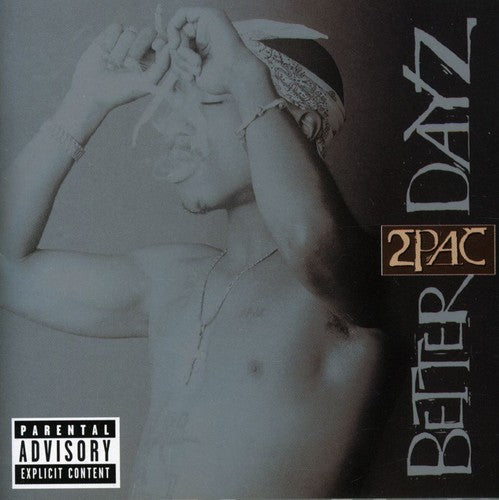
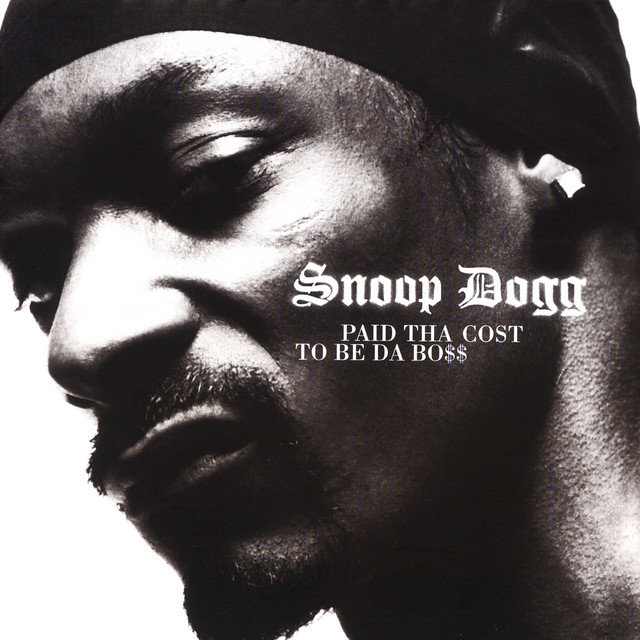
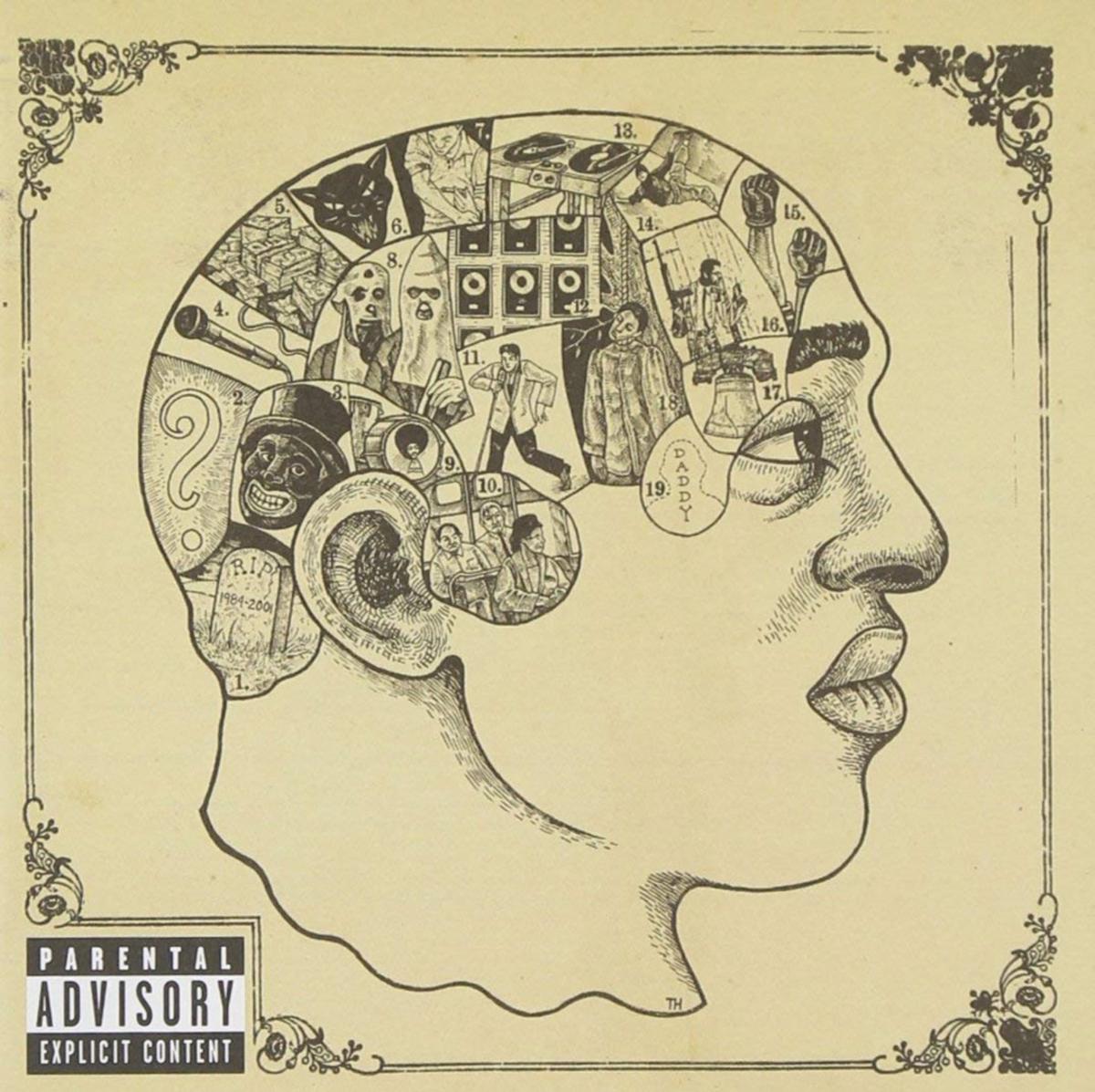
Original album artwork: Amaru/Interscope, Priority and MCA Records, via Vinyl Junkies, Spotify and XXL, respectively.
2002: 2Pac’s Better Dayz revisits the vault
By late 2002, Tupac Shakur’s posthumous catalog had become a phenomenon in its own right. Released on November 26, as documented by AllMusic and a contemporary RapReviews review, Better Dayz assembled a double-disc collection of recordings and remixes, continuing the work of introducing his archive to listeners who had never stopped looking for new material.
There is a distinction between listening to an album that an artist completed and listening to a project organized after his death. The voice remains unmistakably Tupac’s, but sequencing, guest appearances and production choices can reflect decisions made by other people. That tension is part of what makes Better Dayz worth revisiting, both as a collection of songs and as a chapter in the history of managing a rapper’s legacy.
“Thugz Mansion” became one of its defining records. The acoustic rendition featuring Nas and J. Phoenix offers a markedly different atmosphere from a conventional rap single: the arrangement leaves room for the performance to breathe, and the song’s central search for peace resonates beyond the circumstances of its release. The title track, featuring Mr. Biggs, likewise finds strength in its contrast between a difficult present and the possibility of a different future.
That emotional range was hardly new to longtime 2Pac listeners. What changed was the context. Every posthumous release invited audiences to consider how an artist’s unreleased work could be presented without his participation. Read more about the earlier phase of the archive in our November 25 edition, which examines R U Still Down? (Remember Me), and explore the sessions behind his proposed One Nation project.
Listen: Better Dayz on Apple Music.
Get Featured on Raptology
2002: Snoop Dogg releases Paid Tha Cost To Be Da Bo$$
On the same date, Snoop released his sixth studio album, Paid Tha Cost To Be Da Bo$$. His official discography identifies the project, and Apple Music’s catalog records the November 26 release date.
By this point, Snoop’s career was well beyond the initial explosion of Doggystyle. The question was how to keep his signature style recognizable while engaging with a rapidly changing production landscape. The Neptunes provided an especially effective answer. “From Tha Chuuuch to Da Palace” and “Beautiful,” the latter featuring Pharrell Williams and Charlie Wilson, use uncluttered rhythms and memorable melodic ideas to give Snoop’s relaxed delivery a fresh setting.
The album also brings together voices from different corners of the industry. “Lollipop,” featuring JAY-Z and Nate Dogg, places Snoop alongside artists with their own sharply defined identities. Rather than force a single regional formula across the entire record, the project shows how a recognizable rapper can remain the center of gravity even when the collaborators and musical textures change.
That is part of Snoop’s longevity: his flow, timing and conversational phrasing are portable. The 2002 album demonstrates that reinvention does not necessarily mean abandoning the qualities that established an artist in the first place. For an earlier chapter of his catalog, revisit November 23 in Rap History, the anniversary of Doggystyle.
2002: The Roots push the boundaries with Phrenology
Philadelphia’s The Roots released their fifth studio album on November 26, according to the official streaming catalog and XXL’s retrospective. It followed the success of Things Fall Apart, but the band chose to expand its musical vocabulary rather than simply repeat the earlier project.
Black Thought’s technical command and Questlove’s rhythmic imagination provide a foundation for a record that moves among rap, soul and rock. On “The Seed (2.0),” Cody ChesnuTT’s guitar-driven composition becomes the basis of a performance that feels equally comfortable in a hip-hop set and a rock venue. “Break You Off,” featuring Musiq Soulchild, demonstrates a different approach to groove and melody, while “Thought @ Work” puts the MC’s dexterity in the foreground.
The album’s title refers to a discredited historical pseudoscience. Its artwork borrows that visual language, but the music resists the very idea that creativity can be neatly categorized. The record changes its scale, sound and emotional temperature repeatedly. That makes it demanding in places and rewarding precisely because it refuses to take the safest route.
For independent musicians, Phrenology also offers a lesson in artistic development. A recognizable musical identity does not have to mean repeating one arrangement, one kind of hook or one production style. The Roots maintained continuity through musicianship and performance even as the material moved into new territory.
Why November 26 still matters
These records represent three different forms of creative continuity. Tupac’s catalog was being preserved and reinterpreted. Snoop was adapting an established star persona to the sounds of the early 2000s. The Roots were stretching the boundaries of the band’s already distinctive identity.
Put them side by side and the date becomes a reminder of hip-hop’s breadth. A posthumous double album, a West Coast veteran’s commercial statement and an adventurous Philadelphia band could share shelf space without sounding remotely alike. That diversity remains one of the culture’s greatest strengths.
Keep exploring: Discover more dates in the Today in Rap History archive and read our Featured Stories.

Stephano Meola is a passionate music journalist and dedicated advocate for hip-hop culture. With a strong understanding of the genre’s history, evolution, and influence, he brings an informed and authentic perspective to every story. Through thoughtful interviews and compelling editorial coverage, Stephano highlights emerging talent, celebrates established artists, and helps preserve the voices shaping hip-hop today.





Leave a Reply