

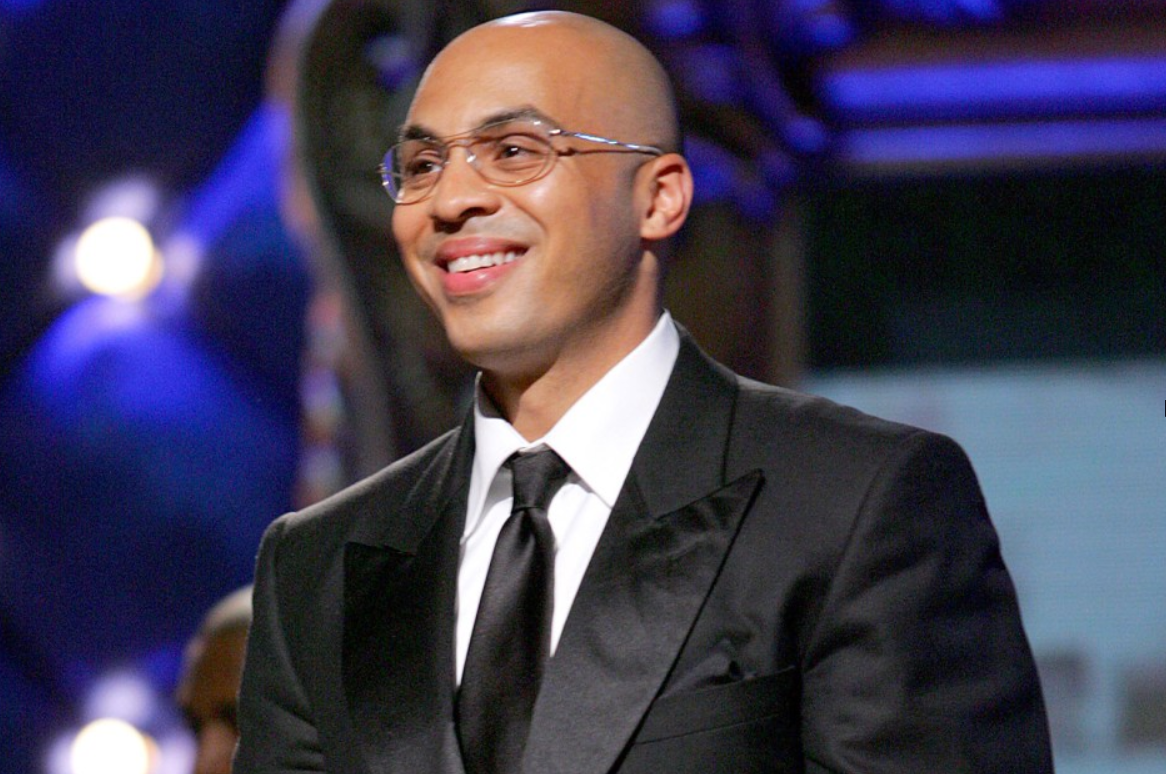
Before hip-hop videos became cinematic events, before visual rollouts felt like global premieres, and before rap stars were framed like mythological figures, there was Hype Williams. His work did not simply accompany music. It changed the way audiences imagined rap itself. Through exaggerated color, fisheye lenses, surreal sets, luxury-heavy spectacle, and unforgettable visual confidence, he turned music videos into permanent cultural memory.
For an entire generation, the look of hip-hop was inseparable from the world Hype Williams built. His videos made artists feel bigger than real life. They looked expensive, dangerous, futuristic, and iconic all at once. Whether it was Tupac riding through the desert in “California Love,” Busta Rhymes exploding across the screen with cartoon energy, or Missy Elliott transforming music videos into pure visual invention, Hype was not documenting the culture. He was helping invent how the culture would be remembered.
Before the legend, there was Queens and visual obsession
Born Harold Williams in Queens, New York, Hype Williams came into hip-hop at the exact moment when the genre was preparing to become visually dominant. MTV, BET, and video countdown culture were helping determine who looked like a superstar and who did not. Rap was expanding commercially, and artists needed directors who could match that scale. Hype understood early that a music video could be more than promotion. It could be mythology.
His early work in the 1990s quickly separated him from everyone else. He did not shoot videos like documentaries of performance. He treated them like dream sequences. Cars looked bigger. Jewelry looked brighter. Rooms looked wider. Fashion felt more dramatic. Even silence inside the frame seemed expensive. His signature fisheye lens became part of that language, making artists appear distorted in a way that felt larger, stranger, and more memorable than ordinary realism ever could.
That visual philosophy mattered because hip-hop itself was becoming bigger than realism. Artists were not only telling street stories anymore. They were building empires, identities, and symbols. Hype gave them a visual vocabulary that matched that ambition. He made stars look like stars before the industry had fully figured out how powerful that could be.
California Love and the birth of rap mythology on screen
There are landmark videos, and then there is “California Love.” Hype Williams’ work on the 2Pac and Dr. Dre classic became one of the clearest examples of what rap videos could be when treated like cinema instead of marketing. Inspired by dystopian film imagery and post-apocalyptic spectacle, the video looked like a blockbuster. It felt like an event even before people pressed play.
That mattered because Tupac was already operating at myth level. The video did not just support the record. It elevated the mythology around him. The desert setting, the Mad Max-inspired visuals, the aggressive energy, and the larger-than-life presence all made the song feel bigger than radio. It became visual memory. People remember the images as much as the hook itself.
This became the Hype Williams effect. He did not simply make songs easier to market. He gave them architecture. He made records feel like places people had visited, and once that happened, the music stayed in culture longer because it had a visual world attached to it.
Why Hype mattered
He turned rap videos from promotional tools into cinematic identity-building machines.
The bigger shift
He made visual excess feel like a legitimate part of hip-hop storytelling rather than a distraction from it.
Missy Elliott, Busta Rhymes, and the era of visual experimentation
Some directors are remembered for making artists look glamorous. Hype Williams also knew how to make them look strange, futuristic, and unforgettable. His collaborations with Missy Elliott and Busta Rhymes proved that hip-hop visuals could be surreal without losing commercial power. In fact, the weirdness often became the reason the videos stayed iconic.
Missy Elliott’s videos pushed boundaries because they treated imagination as part of star power. Inflated suits, impossible choreography, bold colors, and surreal camera movement made her videos feel like entire universes rather than performances. Hype understood that Missy did not need conventional glamour. She needed visual worlds big enough to match how inventive the music already was.
Busta Rhymes worked similarly. His intensity and animated delivery needed direction that could keep up. Hype’s visual language gave him that space. The result was a run of videos that still feel alive decades later because they were not trying to look normal. They were trying to feel unforgettable.
Luxury, excess, and the visual language of rap success
Part of Hype Williams’ lasting influence is that he helped normalize a certain visual definition of rap success. Wide hallways, bright cars, impossible mansions, glossy lighting, futuristic fashion, and hyper-controlled cool became part of the mainstream language of what hip-hop stardom looked like. Later generations inherited that grammar almost without realizing where it came from.
Critics sometimes dismissed that world as style over substance, but that misses something important about hip-hop. Image has always been part of the storytelling. Presentation is not separate from identity. For artists who came from environments built around scarcity, the visual display of abundance could be political, symbolic, aspirational, and deeply personal all at once. Hype understood that tension better than most.
He was not filming luxury because it looked expensive. He was filming ambition. The spectacle was part of the message. That is why the videos lasted. They were not only beautiful. They were declarations.
Related story: Explore more Featured Stories on Raptology
The directors he influenced may be his biggest legacy
You can often measure a director’s importance by how many later creators are clearly speaking his visual language. Director X, Benny Boom, Cole Bennett, and countless younger directors all emerged in a world where Hype Williams had already changed the rules. Even when they moved away from his exact aesthetic, they were reacting to standards he helped establish.
His influence became so widespread that parts of it stopped looking like style and started looking like normal industry practice. That is how deep real influence works. Once the visual grammar becomes common sense, people forget it was invented. Hype’s fingerprints remain on everything from high-budget label videos to luxury-heavy Instagram rollout culture.
Even the idea that a rap video should feel like an event owes something to him. Before streaming made constant content the norm, Hype made people wait for visuals because they knew the visual itself would matter. That expectation changed the relationship between music and audience.
Five videos that explain the Hype Williams legacy
- 2Pac ft. Dr. Dre — “California Love” — the blockbuster blueprint for rap mythology on screen.
- Missy Elliott — “The Rain (Supa Dupa Fly)” — visual experimentation turned into pop-culture permanence.
- Busta Rhymes — “Put Your Hands Where My Eyes Could See” — surreal, theatrical, and still unforgettable.
- Jay-Z — “Big Pimpin’” — luxury imagery that helped define an era of rap excess.
- The Notorious B.I.G. — “Mo Money Mo Problems” — bright spectacle and visual confidence at full scale.
More than a director, he changed how rap remembers itself
Hype Williams is one of those rare creative figures whose influence is almost too large to summarize because it exists in memory itself. People remember the lenses, the colors, the impossible scale, and the feeling that everything looked bigger than ordinary life. That feeling shaped how an entire generation understood rap stardom.
His contribution was never just technical style. It was emotional architecture. He gave artists visual worlds that matched the scale of their ambition and audiences images strong enough to outlive release dates. That is why so many of those videos still feel alive. They were built to be remembered.
If hip-hop became a global visual language, Hype Williams helped write the grammar. Long after specific trends faded, the idea that rap should look larger than life remained. That may be his greatest legacy of all.
Reader Poll
What best defines Hype Williams’ legacy in hip-hop?
FAQ
Who is Hype Williams?
Hype Williams is one of the most influential music video directors in hip-hop history, known for iconic visuals featuring artists like Tupac, Missy Elliott, Busta Rhymes, Jay-Z, and many others.
Why is Hype Williams important to rap culture?
He transformed rap videos into cinematic cultural events and helped define how hip-hop stars were visually presented during one of the genre’s most important growth periods.
What is Hype Williams most known for?
He is especially known for the fisheye lens aesthetic, high-budget visual excess, surreal imagery, and iconic videos like “California Love,” “The Rain,” and “Big Pimpin’.”
Featured Stories
Explore more Raptology Featured stories, deep dives, and long-form hip-hop coverage.
Browse Featured StoriesKeep reading on Raptology



















Leave a Reply