
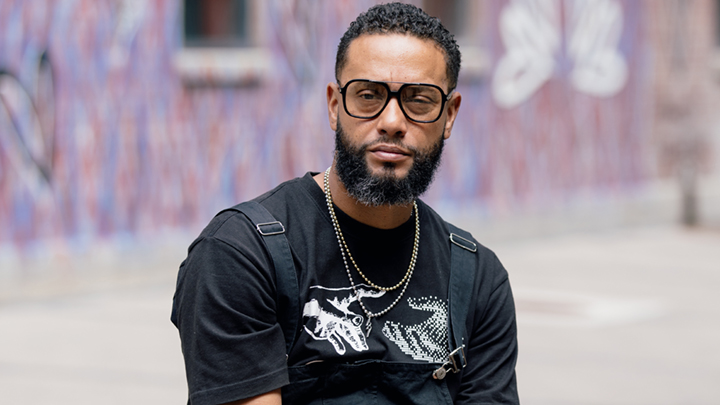
Hip-hop has always depended on image as much as sound. Certain songs hit because they are undeniable, but certain eras feel immortal because somebody found the perfect way to make them look larger than life. Few directors have understood that better than Director X. Across decades of rap, R&B, dancehall, and crossover pop, he helped shape the way power, cool, excess, color, motion, and charisma were translated onto the screen.
For casual viewers, his name may not always come first. The artists often take the spotlight, and the songs naturally get the credit. But if you look at the visual history of modern hip-hop closely, Director X appears again and again at the center of defining moments. His work did not just accompany records. It gave them atmosphere, identity, and permanence. In some cases, it helped transform already-strong songs into cultural landmarks.
From Toronto roots to hip-hop’s biggest visual arenas
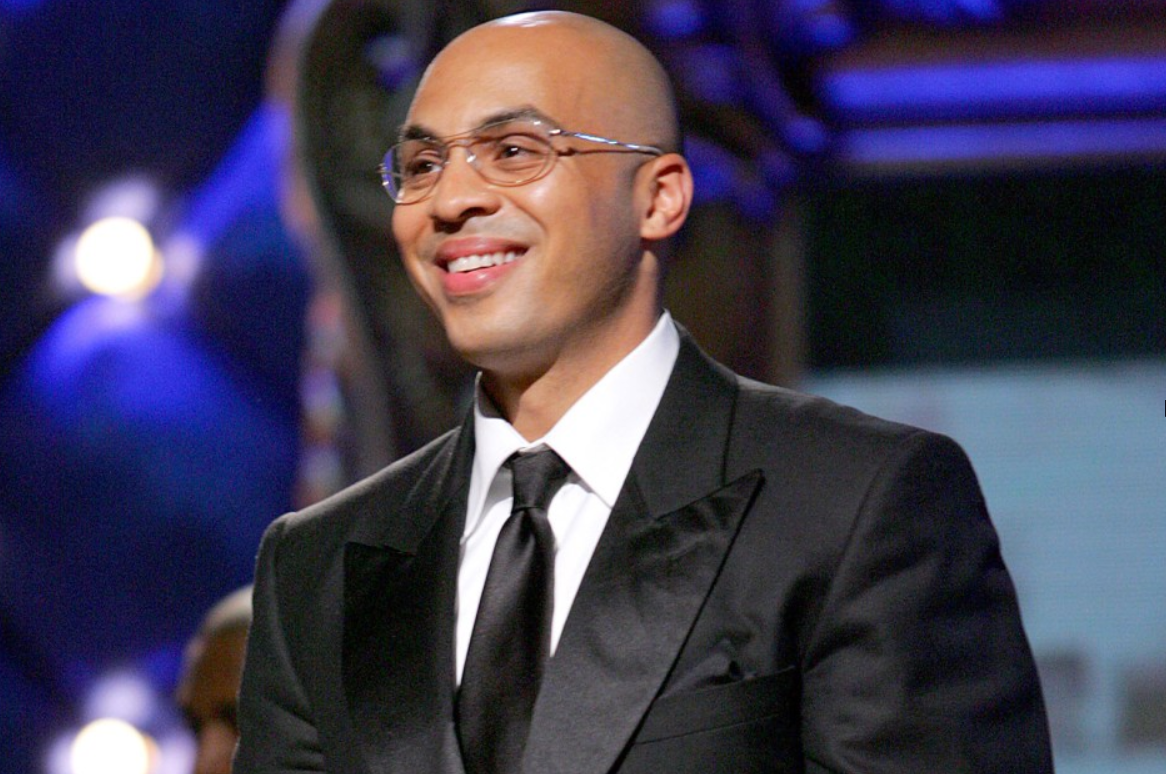
Director X, born Julien Christian Lutz, came out of Toronto and rose during a period when music videos still carried enormous cultural weight. In the late 1990s and early 2000s, rap videos were not secondary marketing materials. They were status symbols, fashion statements, mythology builders, and engines of public imagination. If a rapper wanted to feel dominant, the visual had to make that dominance undeniable. That environment created room for directors with big instincts, sharp taste, and an understanding of how to turn a song into a world.
One of the most important parts of Director X’s story is that he learned under Hype Williams, the most influential rap video stylist of the previous generation. That matters because you can see the inheritance, but you can also see the divergence. Director X took lessons from the era of glossy spectacle and wide-angle grandeur, then developed a language that felt more streamlined, more flexible, and more adaptable to changing trends in hip-hop. He was never content to be a copy of the master he studied under. Instead, he translated that legacy into something distinctly his own.
His work soon stretched across major names and multiple scenes. Whether the artist was rooted in dancehall, street rap, commercial crossover, or introspective cool, Director X knew how to sharpen the image without flattening the identity. That gift became one of the defining reasons he lasted. Great music-video directors are not just stylists. They are interpreters. They know how to look at an artist and decide which qualities should dominate the frame.
He did not just shoot videos. He helped define eras
What makes Director X such a powerful Featured subject is that his work sits inside so many turning points. He was not simply someone hired to illustrate records after the fact. He often helped shape the way those records lived in public memory. A song can dominate radio, but the right visual can turn it into a shared cultural picture, something people remember in frames and colors, not just melodies.
That is especially clear in an era where hip-hop’s biggest records increasingly depended on strong visual accompaniment. As rap became more global, more internet-driven, and more dependent on instantly recognizable iconography, directors had to create images that would travel fast and stick hard. Director X had a gift for that. He understood simplicity when simplicity was stronger than clutter, and he understood scale when scale was the only thing that would make the moment feel complete.
There is also a precision to his work that deserves more attention. The best Director X videos do not just look expensive or polished. They look intentional. Color, blocking, movement, symmetry, styling, and location all feel chosen to emphasize the artist’s energy rather than drown it. That kind of control is easy to miss because viewers often experience it emotionally before they ever think about it technically. But that is exactly what skilled visual direction does. It makes form feel natural.
Why Director X matters
He helped turn hip-hop videos into identity-making spaces, not just promotional content.
The bigger impact
His visuals helped define how confidence, cool, sensuality, and modern rap elegance were seen by the mainstream.
The visual architect behind some of Drake’s most memorable moments
If one artist relationship best explains Director X’s place in contemporary rap culture, it may be Drake. Their collaboration history reflects a deep understanding of tone, persona, and timing. Director X knew how to present Drake not as one static figure, but as a shape-shifting star whose appeal could move between introspection, luxury, humor, awkwardness, confidence, and calculated cool. That flexibility became crucial to Drake’s visual mythology.
“Started From the Bottom” captured ambition and ascent in a way that matched the record’s message without feeling overly literal. “Worst Behavior” had rawer edge. “HYFR” leaned into atmosphere and personality. But “Hotline Bling” may be the clearest example of Director X turning minimalism into a global event. The sets were stripped down, the color fields were clean, the dance was instantly memeable, and the whole piece felt both art-directed and strangely intimate. It was sleek enough to feel iconic and simple enough to travel everywhere.
That is a rare balance. Many viral videos explode because they are chaotic. “Hotline Bling” spread because it was controlled. Every frame felt composed, every movement had room to breathe, and every visual choice made Drake more legible as a pop-cultural figure. The video did not overpower the song. It clarified its place in the culture.
Beyond Drake: Rihanna, Sean Paul, Jay-Z, and the art of crossover impact
Reducing Director X to only Drake would miss the scale of his catalog. His influence stretches across multiple defining artists and moods. Sean Paul videos helped push dancehall’s global visual presence in ways that felt bright, kinetic, and commercially magnetic. Jay-Z’s visual world in the early 2000s benefited from directors who understood how to frame authority without making it look static. Rihanna’s visuals required a different skill altogether: sensuality, polish, modern edge, and image control at the highest level.
That range is part of what makes Director X so significant. Some directors bring one signature style to every assignment. He seemed more interested in pulling out the strongest visual version of the artist in front of him. That does not mean his work lacked signature. It means the signature was intelligence, rhythm, and adaptability. He knew when to go sleek, when to go lush, when to go colorful, and when to let performance carry the frame.
“Work” is a strong example of that flexibility. The Rihanna and Drake chemistry was already enough to command attention, but the visual presentation amplified the mood without overcomplicating it. It felt intimate, rhythmic, seductive, and immediate. That video lived at the intersection of star power and atmosphere, which is a place Director X has returned to repeatedly throughout his career.
How he changed the visual language of hip-hop
To say Director X shaped the visual language of hip-hop is not just to say he made famous videos. It means he helped normalize certain ideas about what rap stars should look like on screen. He made space for clean geometric visuals, hyper-controlled color palettes, sensual but streamlined presentation, and a kind of expensive minimalism that later became common in modern music-video aesthetics. His work often made style feel effortless, even when it was clearly the product of sharp design thinking.
He also helped bridge generations of visual grammar. The glossy ambition of late-1990s and early-2000s rap videos did not disappear, but it evolved. Director X was one of the figures who helped push that evolution forward. He could honor spectacle without letting it become dated. He could embrace fashion without losing energy. He could make a superstar look larger than life while still keeping the frame readable in a digital era shaped by short attention spans and constant replay.
That is why his influence stretches beyond the specific videos he directed. Younger directors, stylists, editors, and artists absorbed parts of his grammar, whether consciously or not. Once a visual language becomes widespread, people stop noticing where it came from. Director X’s legacy is partly hidden in that exact way. The industry took many of his instincts and treated them like common sense.
The director as cultural translator
The strongest music-video directors do more than make songs look good. They translate artists for the camera and, by extension, for the public. Director X’s work repeatedly did that at a high level. He understood celebrity as performance, but he also understood that the audience still wants a feeling of access, intimacy, or clarity. His best visuals often sit in that tension. They are polished, but they never feel completely cold. They are stylish, but they still leave room for personality.
That makes him especially important in hip-hop, where image has always been tied to questions of authenticity, aspiration, masculinity, sexuality, regional identity, and power. A director working at the top of the genre has to navigate all of that without making the result feel stiff or over-explained. Director X made it look easy more often than not. That may be why his name still carries so much weight among people who pay close attention to how rap is framed, not just how it sounds.
In a genre built on memorable faces and unforgettable moments, Director X gave artists a visual stage worthy of their ambition. That is not a small contribution. It is one of the reasons so much of modern hip-hop still looks the way it does.
Five videos that help explain the Director X legacy
- Drake — “Hotline Bling” — proof that stripped-down design and color control can become global iconography.
- Drake — “Started From the Bottom” — a sharp visual statement about ambition, ascent, and self-mythology.
- Rihanna ft. Drake — “Work” — chemistry, atmosphere, and movement framed with confidence and restraint.
- Jay-Z — “99 Problems” — a gritty, memorable visual companion to one of rap’s defining records.
- Sean Paul era visuals — a major part of how dancehall and crossover cool were translated for global audiences.
More than a director, part of hip-hop’s permanent visual memory
Director X occupies an interesting space in hip-hop history because his work is both highly visible and easy to overlook. The public remembers the stars, the hooks, the lyrics, the dance moments, and the viral frames. But behind many of those memories is a director who knew how to turn style into narrative and image into legacy. That role can be invisible to casual audiences, yet essential to anyone trying to understand how the culture actually moved.
His contribution is not just the quantity of major videos. It is the consistency of visual intelligence across changing eras. He worked through the age of television dominance, adapted through the internet transition, and helped shape what music videos could still mean once social media accelerated everything. Very few directors stayed that relevant while maintaining such a recognizable level of craft.
If hip-hop’s story is partly about sound becoming image and image becoming myth, then Director X belongs firmly inside that story. He did not just capture artists at their peaks. He helped many of those peaks look unforgettable.
Reader Poll
What best defines Director X’s place in hip-hop history?
FAQ
Who is Director X?
Director X is the professional name of Julien Christian Lutz, a Canadian music-video and film director known for shaping some of the most memorable visuals in hip-hop and pop over the last two decades.
Why is Director X important to hip-hop?
He helped define how many rap stars were visually presented to the world, directing major videos that blended style, clarity, atmosphere, and commercial impact at a very high level.
Which artists is Director X most associated with?
He is strongly associated with Drake, Rihanna, Sean Paul, Jay-Z, and many other major artists whose videos helped define key moments in modern rap, R&B, and crossover music culture.
Featured Stories
Explore more Raptology Featured stories, deep dives, and long-form hip-hop coverage.
Browse Featured Stories
Jason Soto is a HipHop enthusiast with love for everything generated by the culture. He fell in love with music during the first decade of his life and spent most of his teenage years as a DJ. He began to dabble in writing and rapping after being introduced to battle rap and found the art form to be extremely exciting and innovative. As an adult, his own personal interest has lead him to become a freelance columnist, a HipHop ghostwriter, and a cover art designer.



















Leave a Reply