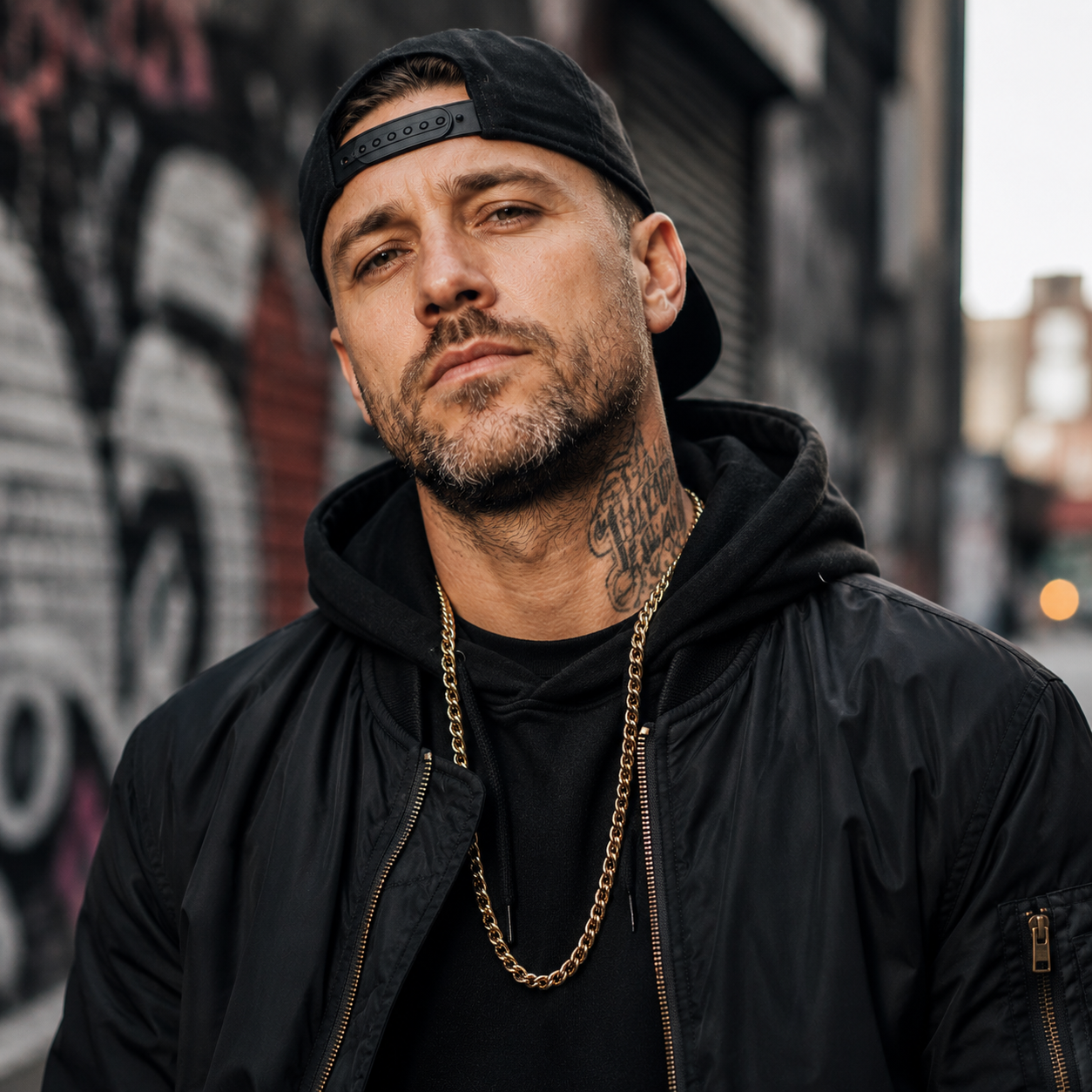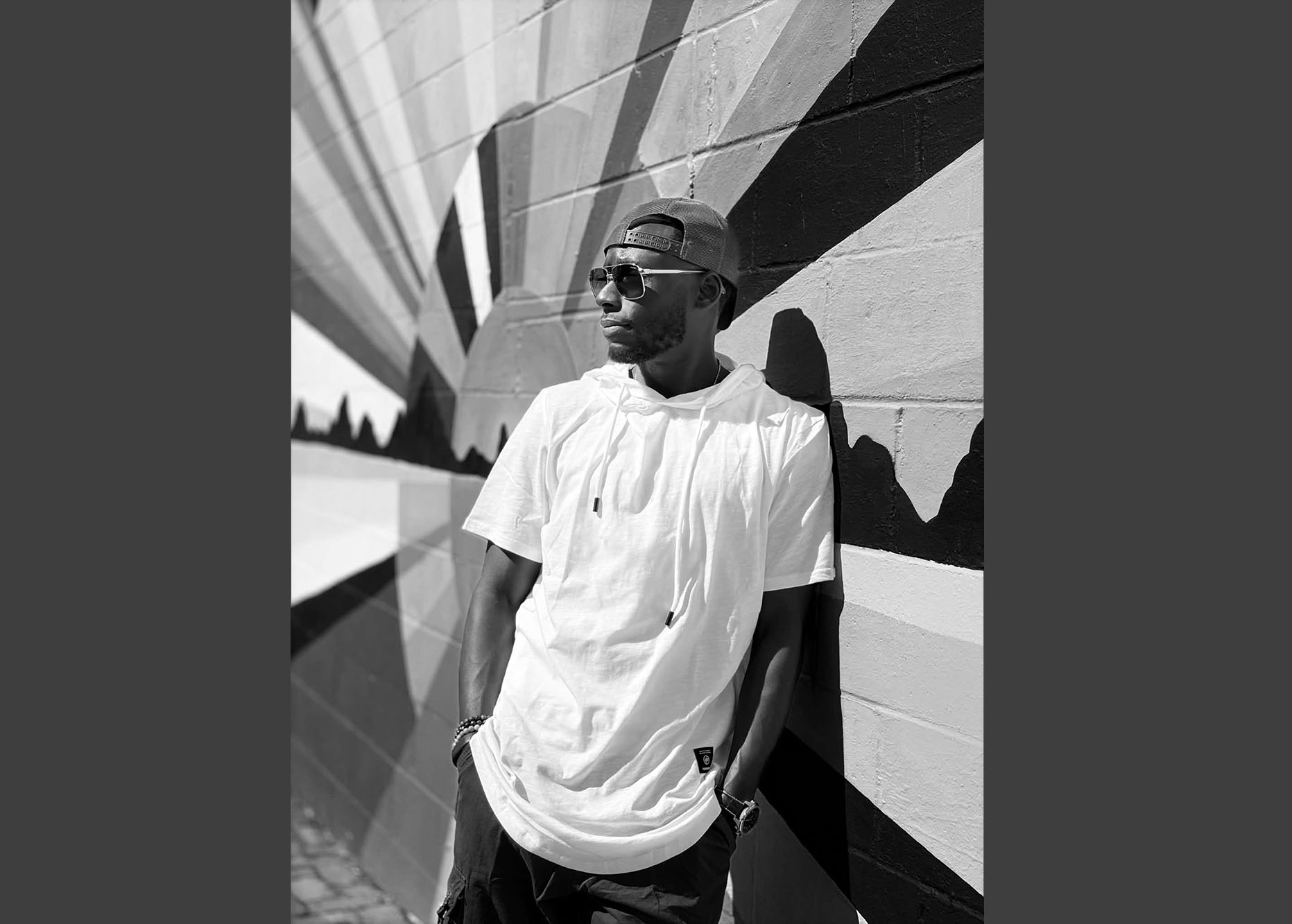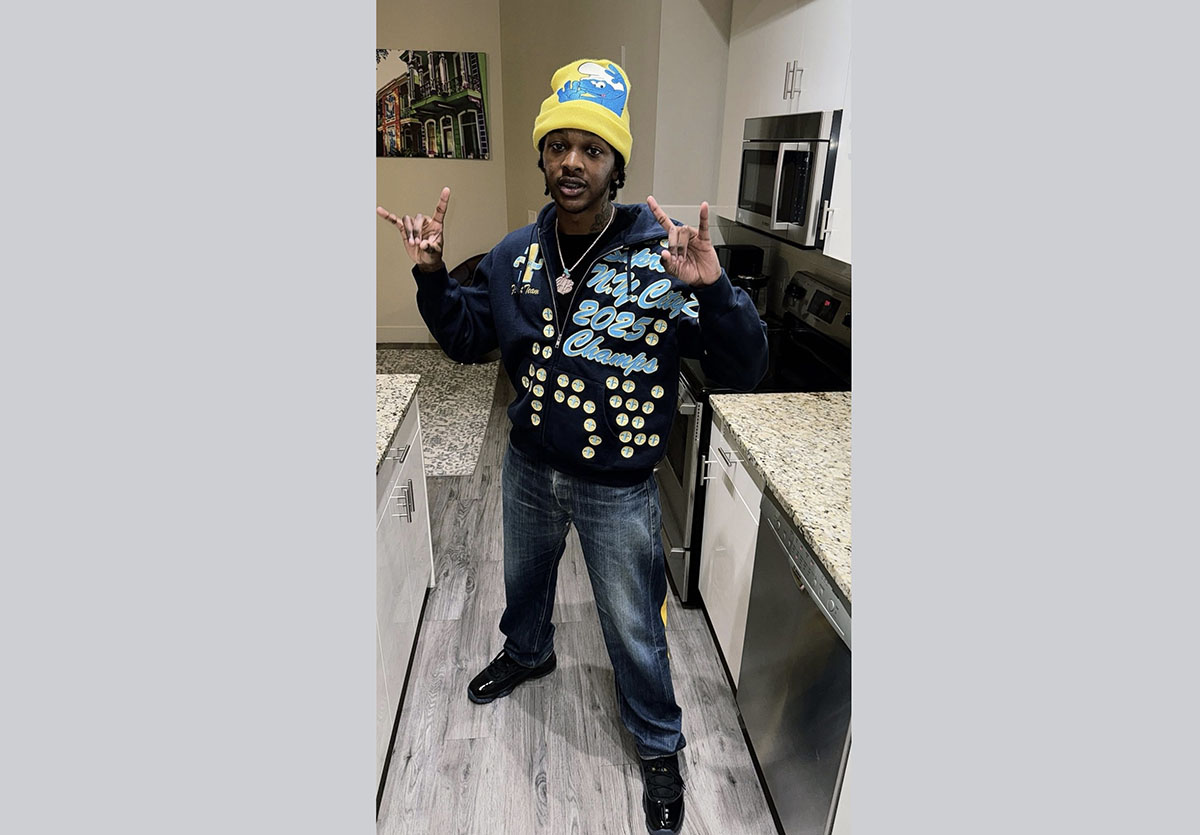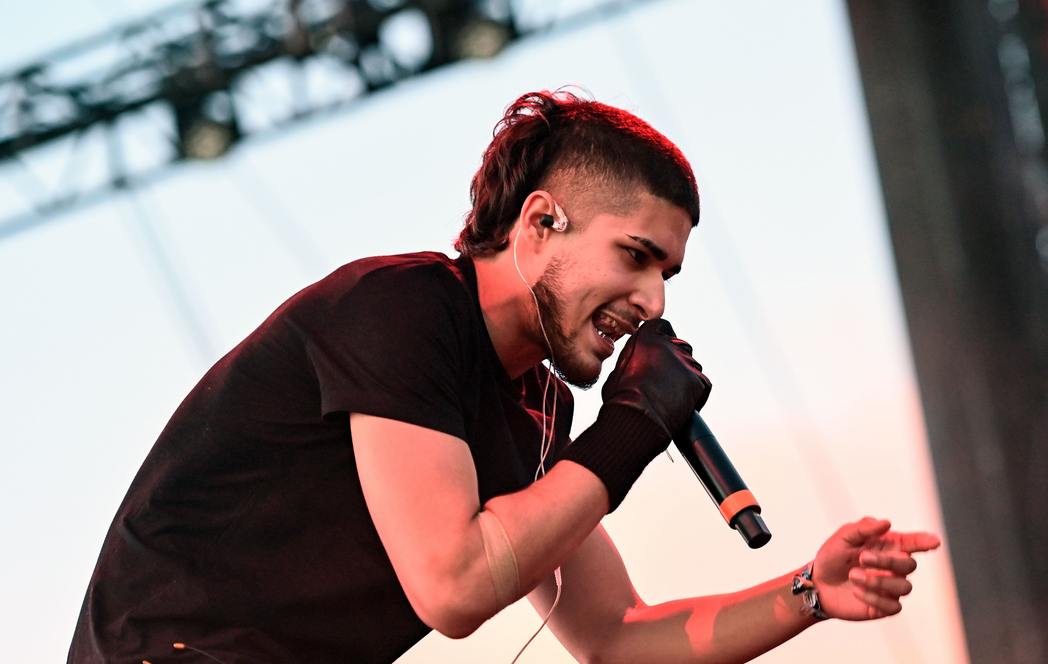
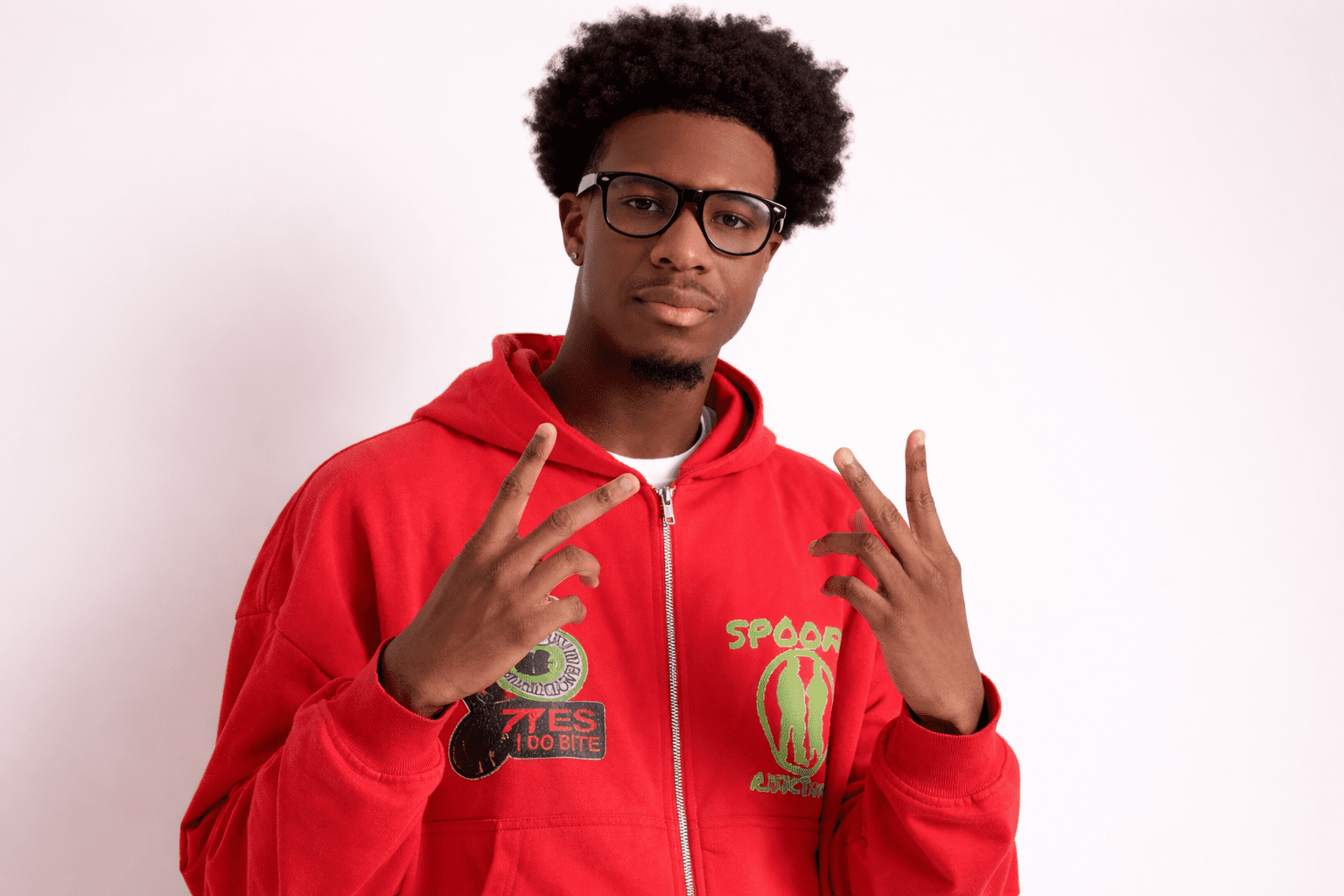
Zeddy Will feels like the kind of artist who understands exactly how modern rap attention works, but more importantly, how to turn that attention into something that actually lasts. A lot of rappers can light up the timeline for a week. A lot fewer can hold on to that attention long enough to build a real audience, recognizable records, and a story that continues growing after the first viral burst fades. That is why he makes so much sense for Raptology’s Featured section right now. He is not just a name buzzing online. He is one of the clearest examples of how a New York artist can use internet-era momentum without losing regional identity, charisma, or musical replay value in the process.
What makes Zeddy Will especially useful editorially is that he gives you more than one lane to write from. There is the pure music angle, because the records already hit with enough energy and repetition to stay in rotation. There is the New York angle, because Queensbridge still means something the second rap audiences see the name. There is the internet angle, because he knows how to make moments travel. And there is the breakout-artist angle, because he has reached that point where a lot of listeners have heard the music before they have even fully processed who the artist is. That combination is exactly what makes a strong Featured profile work. Readers come in because they know the song, the clips, or the name, then stay because the story explains why the rise feels bigger than just one hot moment.
Why Zeddy Will stands out right now
One of Zeddy Will’s biggest strengths is that he understands replay value. His music is built for attention, but it is not built only for attention. That distinction matters. Some songs explode because they are easy to clip, easy to caption, or easy to meme, but then they vanish as fast as they arrived because there is nothing deeper holding them together. Zeddy Will’s records work differently. There is enough personality in the delivery, enough bounce in the phrasing, and enough confidence in the performance that the songs still feel alive after the first rush of discovery. They do not depend entirely on the novelty of hearing them once. They invite the next listen.
That kind of repeatability is one of the clearest signals that a rising artist may actually have staying power. It is also what makes him ideal for a longform Featured article. Raptology does not need to use its Featured section on artists whose only value is that they happened to trend for a second. The stronger move is to use that space on names whose current visibility opens the door for a bigger editorial case. Zeddy Will fits that perfectly. He already has attention, but the bigger story still feels unfinished. That is the sweet spot where a feature can still feel sharp instead of late.
Zeddy Will sounds like an artist who knows how to turn a moment into momentum and momentum into identity.
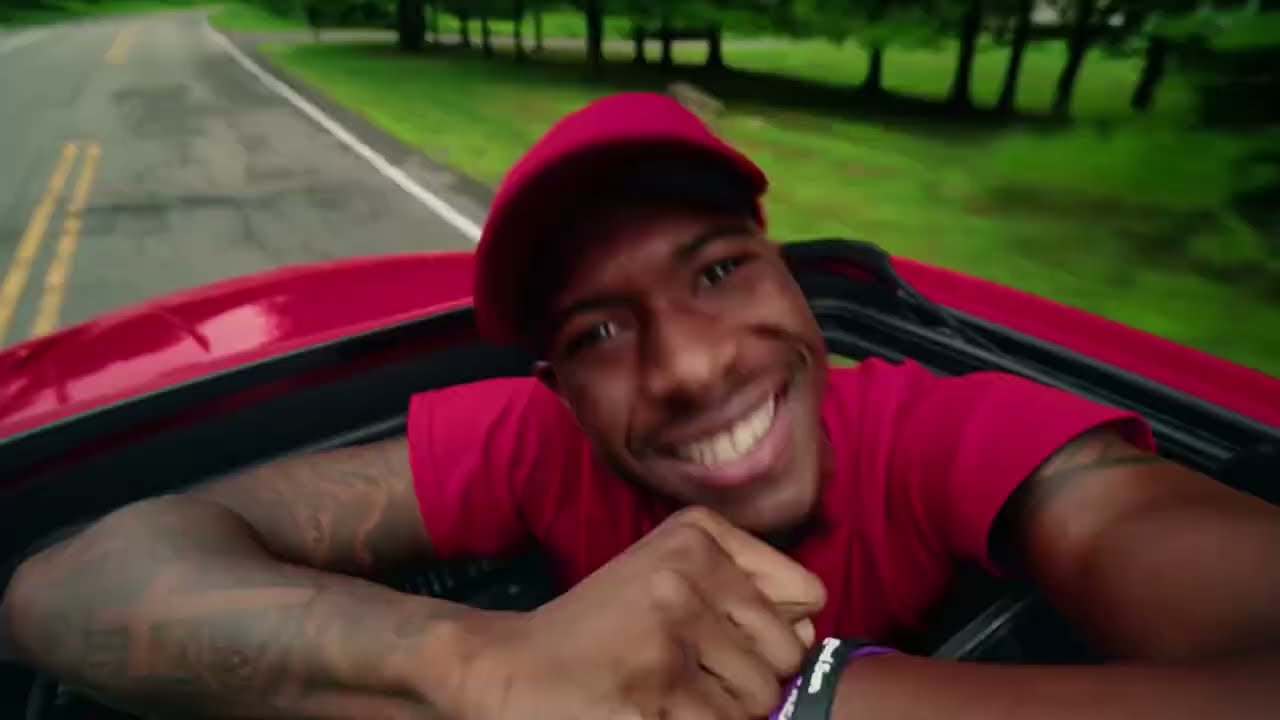
Queensbridge is part of the story, not just a detail
For New York rap readers, the Queensbridge angle instantly gives the article more weight. That neighborhood carries one of the most recognizable names in hip-hop history, and while no artist should be reduced to a zip code or legacy reference, the place still matters. It gives context. It gives lineage. And it gives newer audiences a way to understand why a breakout from that environment can still feel culturally significant. Zeddy Will is not simply being framed as another viral rapper from New York. He is a rapper whose rise gains more resonance because it can be placed inside a broader city story that people already care about.
That matters even more for Raptology because New York rap stories naturally give your audience something familiar to hold onto while still making room for discovery. The article becomes more than a profile. It becomes part of a larger conversation about what modern New York rap looks like when it is no longer trying to imitate the last era and is instead finding ways to move through streaming, short-form video, and fast-moving culture without losing its own flavor. Zeddy Will feels like one of the artists helping define that shift. He sounds current, but not anonymous. He sounds digital-native, but not detached from where he is from.
More rising-artist coverage on Raptology
The songs behind the rise
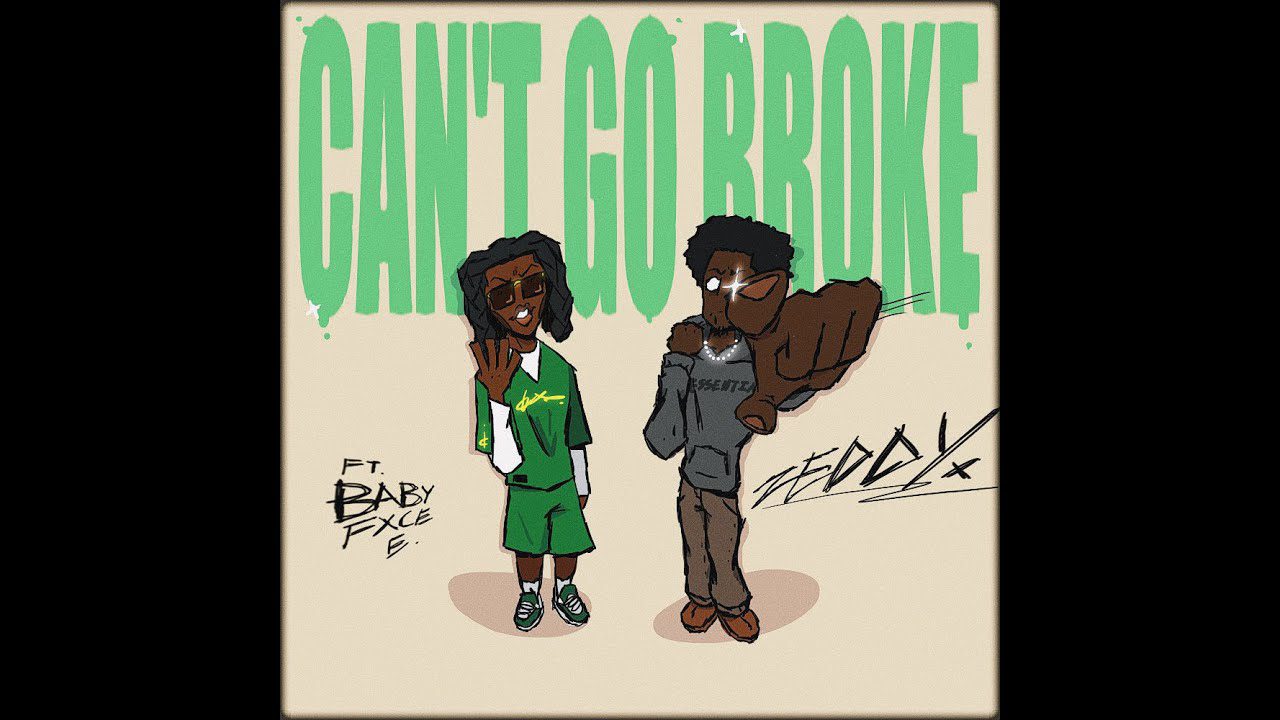
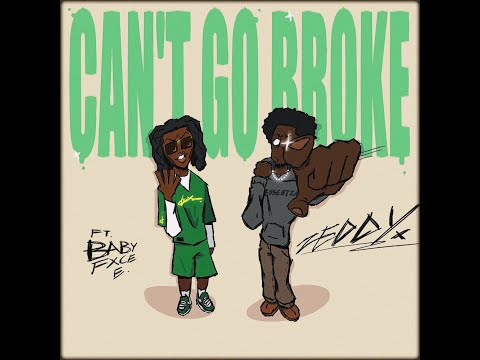
Every breakout story sounds better when the records can actually carry the weight of the narrative, and that is where Zeddy Will becomes especially convincing. The title that pushed his name into a bigger conversation was not just a random one-off. “Can’t Go Broke,” especially in connection with Babyfxce E, gave listeners something memorable enough to spread and simple enough to stick, but also energetic enough to stay in people’s heads after the first play. That is a big reason the song became such a useful gateway into his wider catalog. It gave casual listeners an entry point and gave newer fans a track they wanted to send to somebody else.
That is how real momentum builds now. It is not only about chart placement or a single wave of reaction. It is about whether one record makes people curious enough to keep digging. In Zeddy Will’s case, the answer appears to be yes. Once listeners know the song, the next question becomes whether the artist has enough voice, enough style, and enough personality to justify deeper interest. That is what this kind of feature is meant to answer. He does. The music carries enough identity that the rise does not feel fake, and enough flexibility that it does not feel limited to one record alone.
Why the social momentum matters
This is also one of those cases where social traction actually helps the editorial story instead of cheapening it. Sometimes “viral” gets used as a substitute for substance, but sometimes it simply means the artist has figured out how to make a real audience respond at scale. That is a different thing. Zeddy Will’s clips, reels, and short-form visibility are useful because they show that people are not just hearing the music once and moving on. They are interacting with the personality around it, repeating the hooks, quoting the moments, and keeping the conversation alive between releases. That kind of activity extends the life of the records and expands the artist’s reach far beyond a traditional rollout.
For a site like Raptology, that is valuable because it helps keep readers on the page. The more the article can connect the artist’s rise to actual watchable and scrollable moments, the better the content performs. That is exactly why a stronger Featured post should not just be long text and a single image at the top. It should behave more like a layered media page. A reader should be able to watch, scroll, click, and keep moving through the story instead of just reading a headline and bouncing. Zeddy Will is a perfect artist for that type of build because his rise is visible across music, video, and social performance all at once.
Are you an artist building real momentum?
Get your music and brand in front of Raptology readers with a Featured placement designed for visibility, credibility, and discovery.
Get Featured on RaptologyWhy he belongs in the Featured section
Zeddy Will gives Raptology exactly what a strong Featured category should prioritize. He brings a recognizable city angle, a real audience story, highly replayable music, and enough internet-era momentum to make the article feel current from the second a reader lands on it. But he also gives the feature something more valuable than simple timeliness. He gives it a sense of trajectory. Readers can feel that they are looking at an artist who is still actively becoming something larger, which is far more interesting than writing about somebody after every part of the story has already been flattened into a familiar industry script.
That is why this type of coverage matters. It positions Raptology not as a site that simply follows the biggest narratives after they are settled, but as one that identifies where the energy is building while there is still room for discovery. Zeddy Will fits that mission. He has the kind of rise that readers already recognize in pieces, but may not yet fully understand as a whole. A strong Featured article closes that gap. It explains why the song hit, why the city matters, why the personality connects, and why the next stage of the story is worth paying attention to now instead of later.
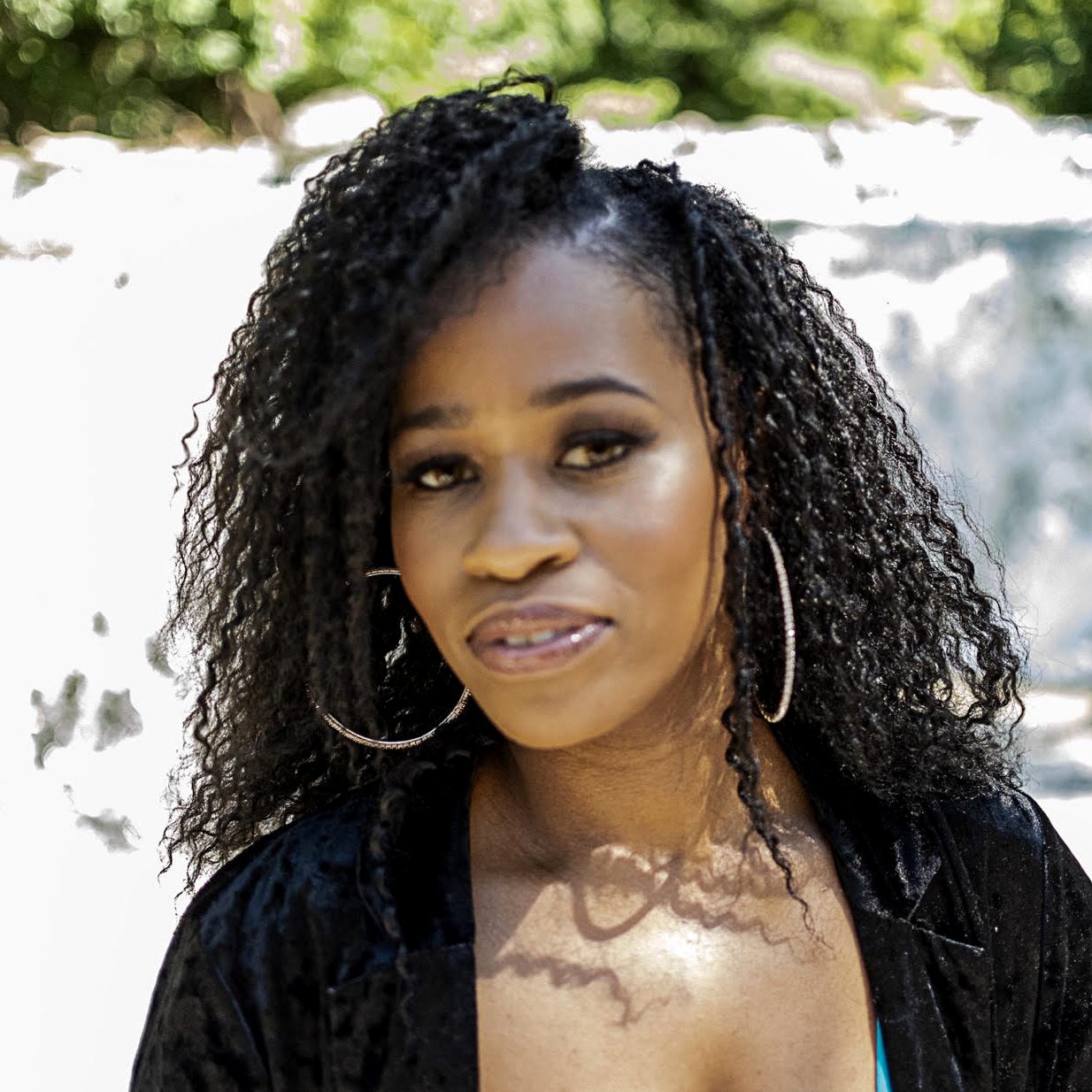
Hulda Hicks was born in Brooklyn, NY in the late ’70s, at the time when Hip-Hop music was just emerging as an art form. Her entire life was influenced by the culture, having grown up in the epicenter of the creative movement.
As a trained musician and vocalist, Hulda got exposed to the industry in her twenties and has worked on projects with iconic figures such as the Chiffons, the Last Poets, and Montell Jordan, to name a few. Her passion for music extended past the stage on to the page when she began to write ad copy and articles as a freelancer for several underground publications.
A written review from “Jubilee Huldafire” is as authentic as it gets, hailing from one creative mind that has a unique voice, on paper and in person.