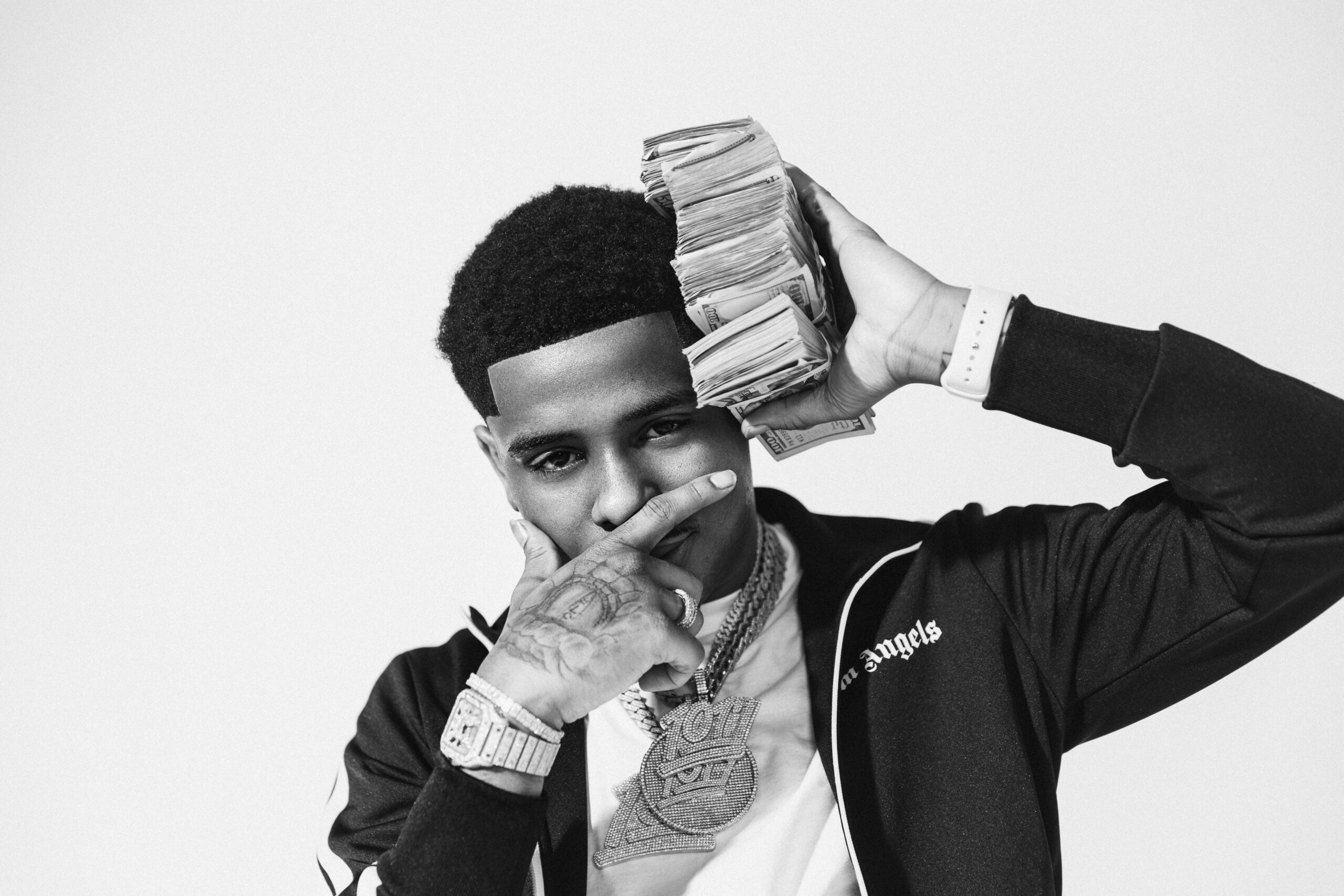
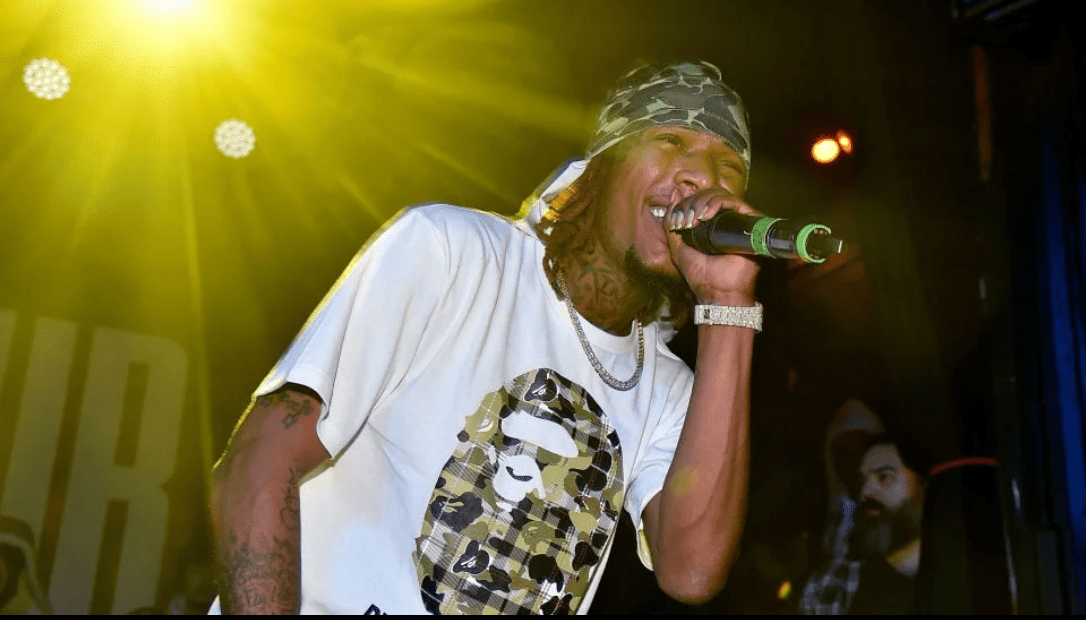
NEWARK, N.J. – Fetty Wap is back in focus after the rollout of Zavier, a project billed as the rapper’s first major album release since his return home, giving one of the most recognizable melodic hitmakers of the 2010s a new opening in today’s rap landscape.
The album’s arrival has renewed attention around an artist whose name once dominated radio, streaming and club playlists through songs that helped define an era of melodic street-pop rap. Best known for “Trap Queen,” Fetty Wap built his mainstream rise on a distinctive voice, emotional hooks and a melodic style that proved instantly accessible without fully abandoning his roots. His return matters because he remains one of the few rappers from that period whose biggest songs still carry strong cultural memory with both casual listeners and core rap fans.
Zavier has been framed as a fresh chapter, and that language matters. Comeback campaigns in hip-hop often depend as much on narrative as on the music itself. In Fetty Wap’s case, the story is easy to understand: an artist who once felt unavoidable in popular music is now attempting to reestablish his place in a much more crowded and much faster-moving rap environment. That makes the album more than a routine release. It becomes a test of whether name recognition, nostalgia and renewed visibility can translate into sustained momentum.
For publishers and fans alike, the story is already resonating because it combines familiarity with uncertainty. Fetty Wap is not a new name, but the market he is returning to is different from the one he previously dominated. Today’s rap ecosystem is shaped heavily by viral content cycles, shorter attention spans and a relentless stream of weekly drops. In that environment, established artists often need more than a recognizable catalog to cut through. They need a compelling reason for listeners to care again.
Promotion: Want your next release covered on Raptology? Ask about interviews, editorial placements and music promo campaigns.
That is where the comeback angle becomes powerful. Fetty Wap’s story now carries emotional weight that extends beyond music charts. Supporters see a return, critics see a challenge, and neutral observers see a recognizable mainstream figure stepping back into a business that has moved on without waiting. Those ingredients often create the kind of search and social interest that gives a rap release news value beyond its first-week numbers.
The title Zavier also signals something more personal and reflective than a simple replay of earlier formulas. Whether the project ultimately restores him to a larger commercial position remains to be seen, but the rollout alone has already succeeded in bringing his name back into broad circulation. In an attention economy, that is a meaningful first step.
Fetty Wap’s return also arrives at a time when rap fans have become more open to revisiting artists from earlier streaming eras. Nostalgia remains a strong force in the genre, especially when paired with an artist who still has recognizable identity and emotional recall. Fetty Wap has both. His voice is instantly identifiable, and his breakthrough records remain deeply tied to a specific cultural moment in rap and pop music.
That history gives Zavier an advantage that many comeback albums do not have: built-in memory. Listeners do not need to be introduced to who he is. They only need a reason to pay attention again. The current rollout has done exactly that, making this one of the more notable rap return stories of the week and a reminder that mainstream rap careers are rarely as linear as they appear from the outside.
For now, Fetty Wap’s latest release has accomplished its first major task. It has put his name back into the headlines, back into search results and back into the broader rap conversation.

Raphael Fonge is a journalism graduate from Kennesaw State University, where he published several articles in the university’s newspaper. He has released multiple chapters of creative writing, with aspirations to work in the entertainment industry.
Raphael is a member of the KSU Film Club and the Society of Professional Journalists.