
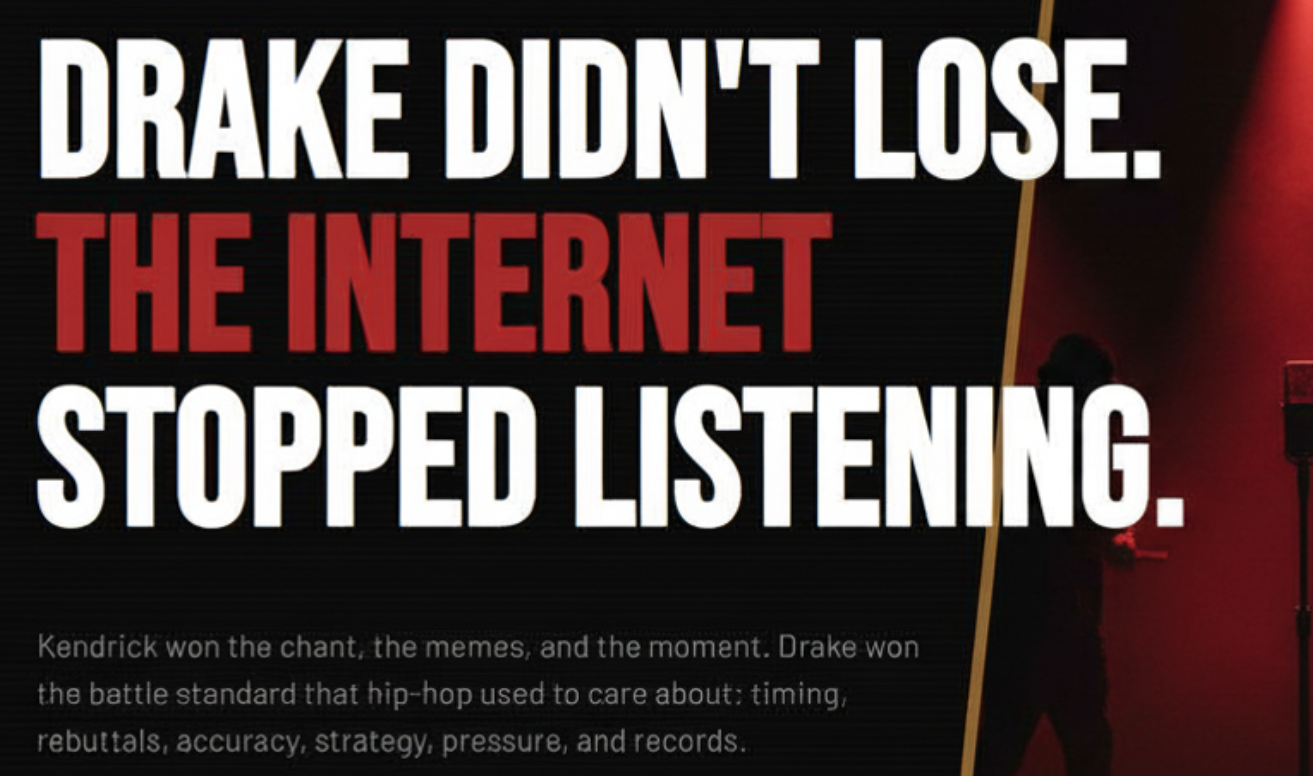
Drake and Kendrick Lamar’s battle became one of the most talked-about moments in modern rap, but the public conversation around it moved so fast that the actual rules of battle rap almost disappeared. Memes, viral captions, TikTok edits, and crowd chants turned the moment into a cultural landslide before many fans had a chance to separate entertainment value from lyrical strategy.
That does not mean Kendrick Lamar failed to make a major impact. He clearly controlled the public mood, dominated the online conversation, and delivered records that became unavoidable. But if the question is whether Drake actually lost by old-school battle standards, the answer becomes more complicated than the internet allowed it to be.
The Internet Picked A Winner Before The Battle Was Fully Judged
Hip-hop battles were traditionally judged by timing, rebuttals, accuracy, pressure, delivery, strategy, and whether an opponent could effectively respond. In the Drake and Kendrick battle, however, much of the audience judged the outcome by which song became the loudest online moment.
Kendrick won the cultural moment. That part is hard to argue against. But the cultural moment is not always the same thing as a clean battle victory. Drake entered the exchange with direct accusations, layered responses, and a strategy built around questioning Kendrick’s image, relationships, and public mythology.
Drake Was Fighting More Than One Opponent
Another part of the conversation that often gets ignored is that Drake was not only battling Kendrick. He was also responding to a wider industry pile-on that included multiple artists, producers, fan bases, and media narratives. By the time the battle reached its peak, Drake was fighting Kendrick, public fatigue, years of resentment, and a social media ecosystem ready to turn every moment into a verdict.
That matters because battle rap is not only about who throws the hardest punch. It is also about the conditions of the fight. Drake was forced to defend against multiple storylines at once while Kendrick only had to focus on one opponent and one dominant emotional message.
The real argument is not that Kendrick failed to win the moment. The argument is that the internet treated the loudest moment as the same thing as a complete lyrical verdict.
Kendrick Won The Chant, Drake Had A Stronger Battle Case Than People Admit
“Not Like Us” became bigger than a diss record. It became a chant, a party record, a meme, and a social weapon. Once that happened, the battle moved beyond bars and into mass participation. At that point, the average listener was no longer judging schemes, rebuttals, or accuracy. They were joining the winning side of a public event.
Drake’s mistake may not have been lyrical weakness. His mistake may have been that he was trying to fight a traditional rap battle while the audience had already turned it into a referendum on his entire career. That is a much harder thing to win, especially when the online crowd had already decided what ending it wanted.
The Records Will Be Revisited Differently Over Time
Rap history has a way of cooling down emotional verdicts. Records that felt unbeatable in the moment sometimes age differently once the noise fades. Drake’s responses may eventually be heard with less bias, especially by fans who care about battle structure, rebuttal logic, and how each side handled pressure.
Kendrick may still be remembered as the artist who won the public war. But Drake may be remembered as the artist who was judged under a different standard because the internet had already stopped listening closely.
Reader Poll: Who really won the Drake and Kendrick battle?
Why This Battle Still Matters
The Drake and Kendrick battle showed how much hip-hop has changed. In earlier eras, fans replayed diss tracks, debated bars, and argued about rebuttals over time. In the current era, the verdict can be shaped by social media velocity before the actual music is fully processed.
That does not erase Kendrick’s impact, and it does not automatically crown Drake. It simply means the battle deserves a more serious conversation than the internet’s instant scoreboard allowed. Drake did not lose because he had nothing to say. He lost the room because the room had already decided how it wanted the story to end.
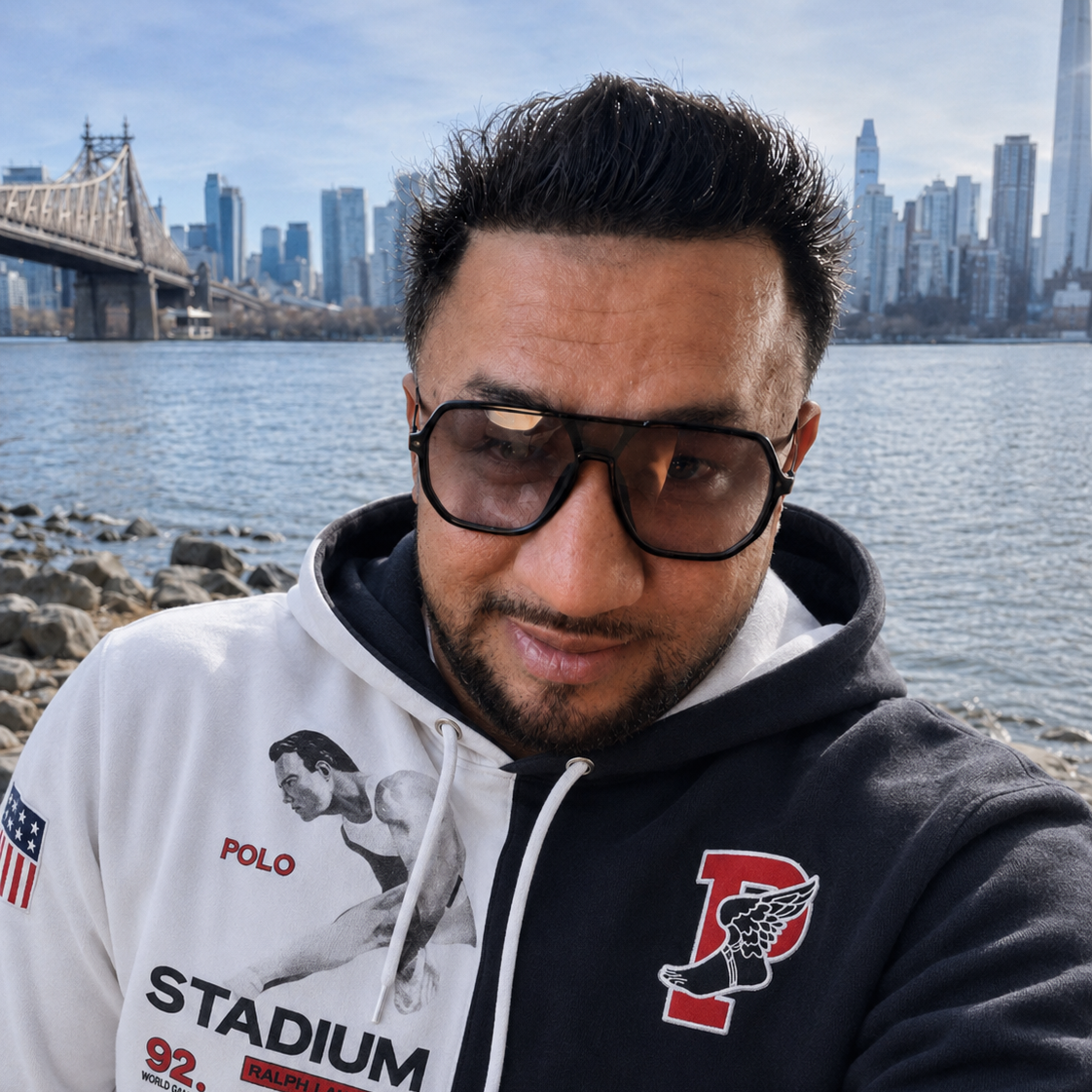
Zayed “Zod” Chowdhury is a writer, entrepreneur, and lifelong hip-hop student, born in the Bronx and raised in Queens during one of the most influential eras in rap history. His perspective was shaped by New York City’s golden-era energy, street fashion, mixtape culture, lyrical competition, and the rise of rap as a global force. With a voice rooted in authenticity and cultural memory, Zod writes about hip-hop through the lens of history, business, lyrics, influence, and impact. His work breaks down artists, eras, and debates with the eye of someone who lived the culture, studied the music, and understands why hip-hop still drives the conversation.

Leave a Reply