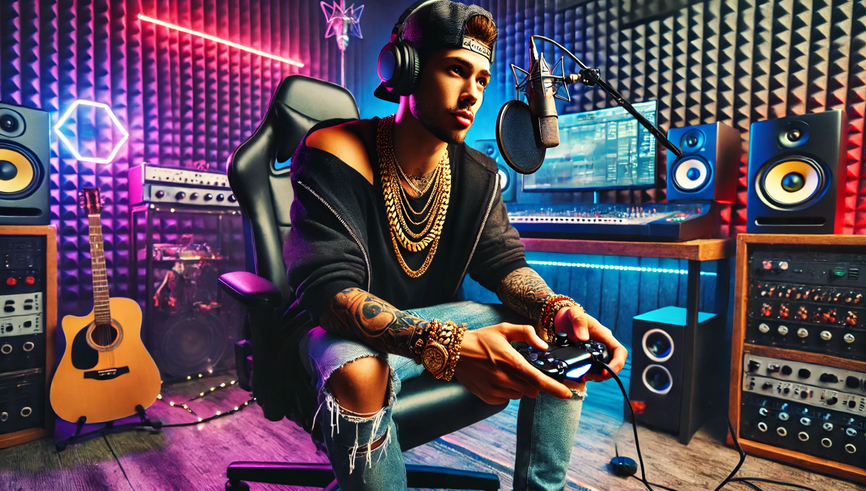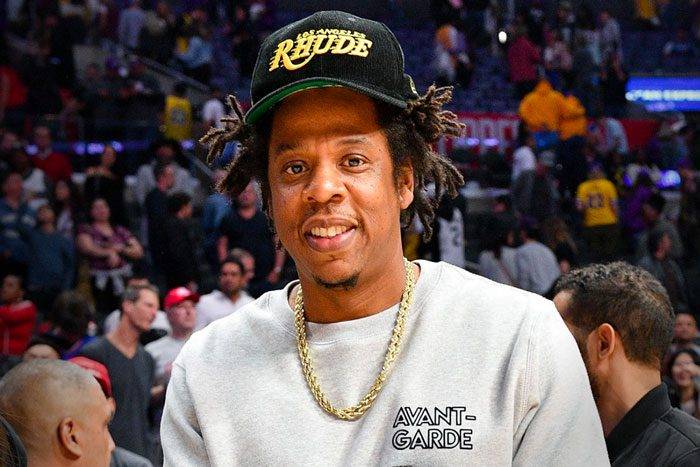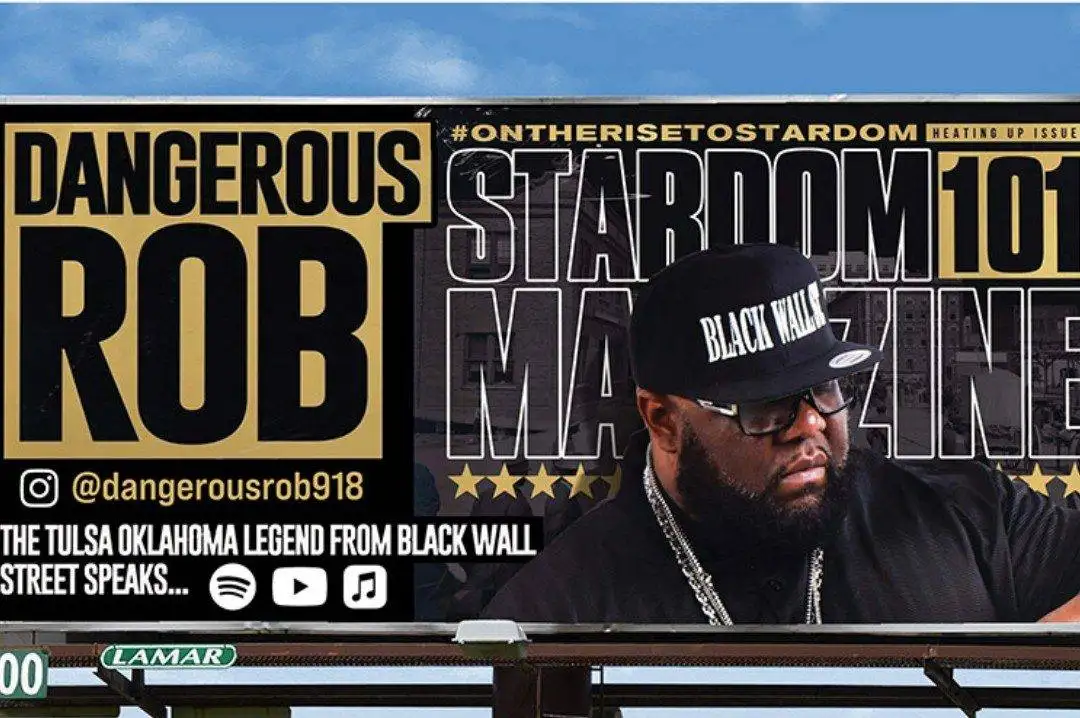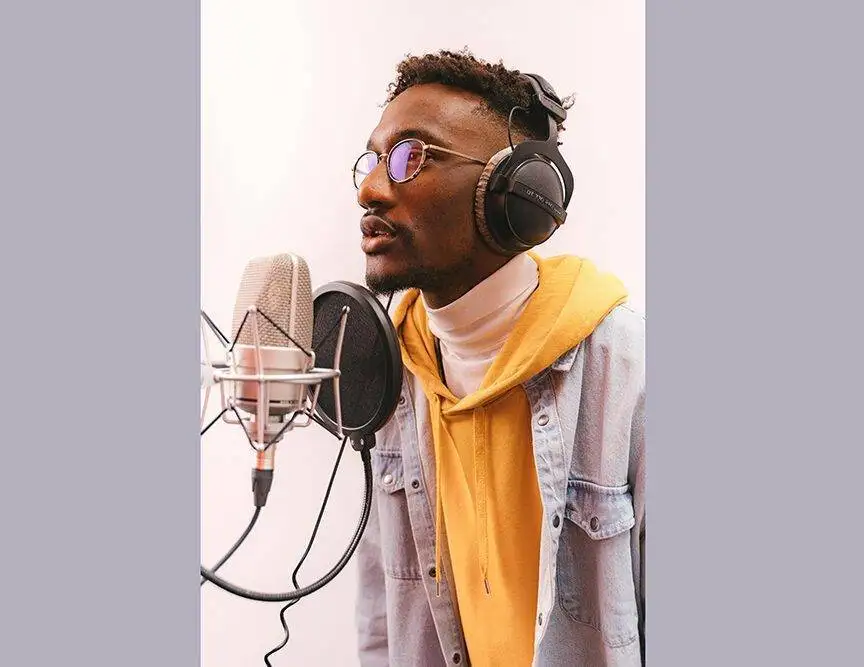
The vibrant worlds of rap and esports are colliding, creating a dynamic synergy that is reshaping the gaming landscape. Rap artists are bringing their competitive energy to esports, enhancing both visibility and excitement in the scene. This fusion is not only boosting the popularity of gaming events but also influencing trends in American online casinos as part of modern gaming culture.
The intersection between hip-hop and esports has become a burgeoning trend, with rap artists actively participating in competitive gaming. This involvement is more than just casual interest; it’s a strategic move that aligns with hip-hop’s inherent competitive nature. By engaging with esports, rappers are tapping into a new audience, bringing authenticity and credibility to the gaming community. The blend of these two cultures creates a unique environment where fans of both music and games can engage in shared experiences.
The Competitive Spirit of Hip-Hop in esports
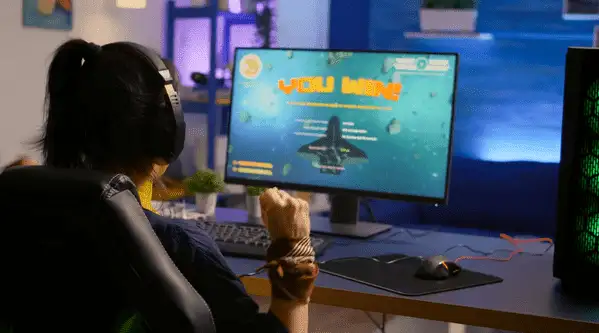
Hip-hop’s competitive edge naturally translates into the world of professional gaming. Rappers, known for their lyrical battles and stage performances, bring similar energy to esports events. Their participation ranges from sponsorships and endorsements to active involvement in gaming tournaments. This engagement not only attracts their fan base but also elevates the stakes within the esports arena. The presence of these artists at gaming events creates an atmosphere charged with excitement and anticipation.
Beyond their personal involvement, rap stars are also leveraging their platforms to promote esports. They use social media and music videos to showcase their passion for gaming, often integrating gaming culture into their content. This exposure helps bridge the gap between music fans and gamers, fostering a community that celebrates both art forms. As more artists enter the scene, they contribute to the growing legitimacy and recognition of esports and American online casinos as a mainstream entertainment platform.
Moreover, the appeal of esports to hip-hop artists lies in its global reach and diverse audience. Unlike traditional sports, which may have regional fan bases, esports transcends geographical boundaries. This global aspect resonates with rap artists who are accustomed to worldwide tours and international fan engagement. By aligning themselves with esports, rappers can expand their influence across different cultures and demographics.
The role of American Online Casinos in Modern Gaming
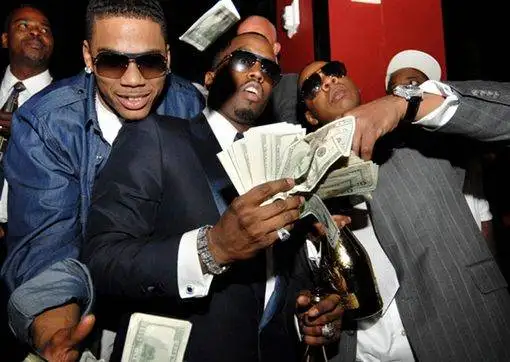
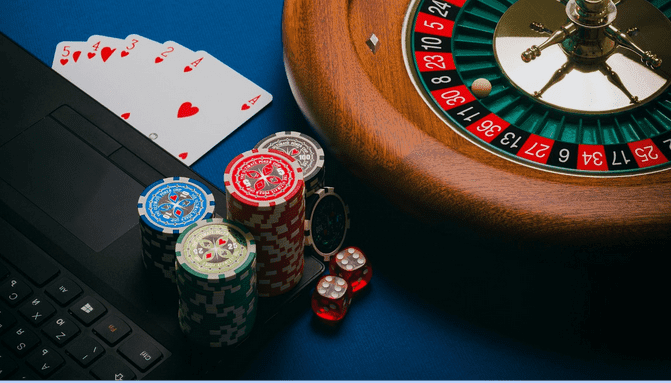
As esports continues to grow, it intersects with other aspects of modern gaming culture, including American online casinos. These platforms offer an additional layer of excitement by incorporating elements like betting on esports matches. For rap stars involved in gaming, this presents an opportunity to explore new ventures within the industry. While traditional casinos have long been associated with glamour and risk-taking, online versions bring these elements into the digital age.
The integration of online casinos into the esports ecosystem reflects broader trends in digital entertainment. Players can engage with various casino games alongside their favorite esports titles, creating a multifaceted gaming experience. For artists who thrive on competition and innovation, this blend offers creative possibilities for brand collaborations and personal investment.
This evolving landscape highlights how interconnected different segments of digital entertainment have become. With rap stars at the forefront, there is potential for further integration between music, gaming, and gambling industries. As these sectors continue to overlap, they redefine what it means to be a part of contemporary pop culture.
Impact on the Future of Competitive Gaming
The involvement of rap stars in esports is not just a passing trend; it’s setting the stage for future developments in competitive gaming. Their influence helps break down barriers between different entertainment genres, paving the way for more inclusive events that cater to diverse audiences. As rappers bring their unique flair to tournaments and collaborations, they contribute significantly to the evolution of esports narratives.
This fusion also encourages innovation within the industry as organizers seek new ways to integrate music performances with gaming competitions. Such initiatives enhance fan engagement by offering immersive experiences that go beyond traditional formats. The result is a richer cultural tapestry where music lovers and gamers find common ground.
Wrapping Up
Looking ahead, the partnership between hip-hop and esports promises continued growth for both sectors. As more artists recognize the potential within this space, they will likely explore deeper collaborations that push creative boundaries. By embracing this convergence, they not only expand their artistic horizons but also shape the future landscape of digital entertainment.
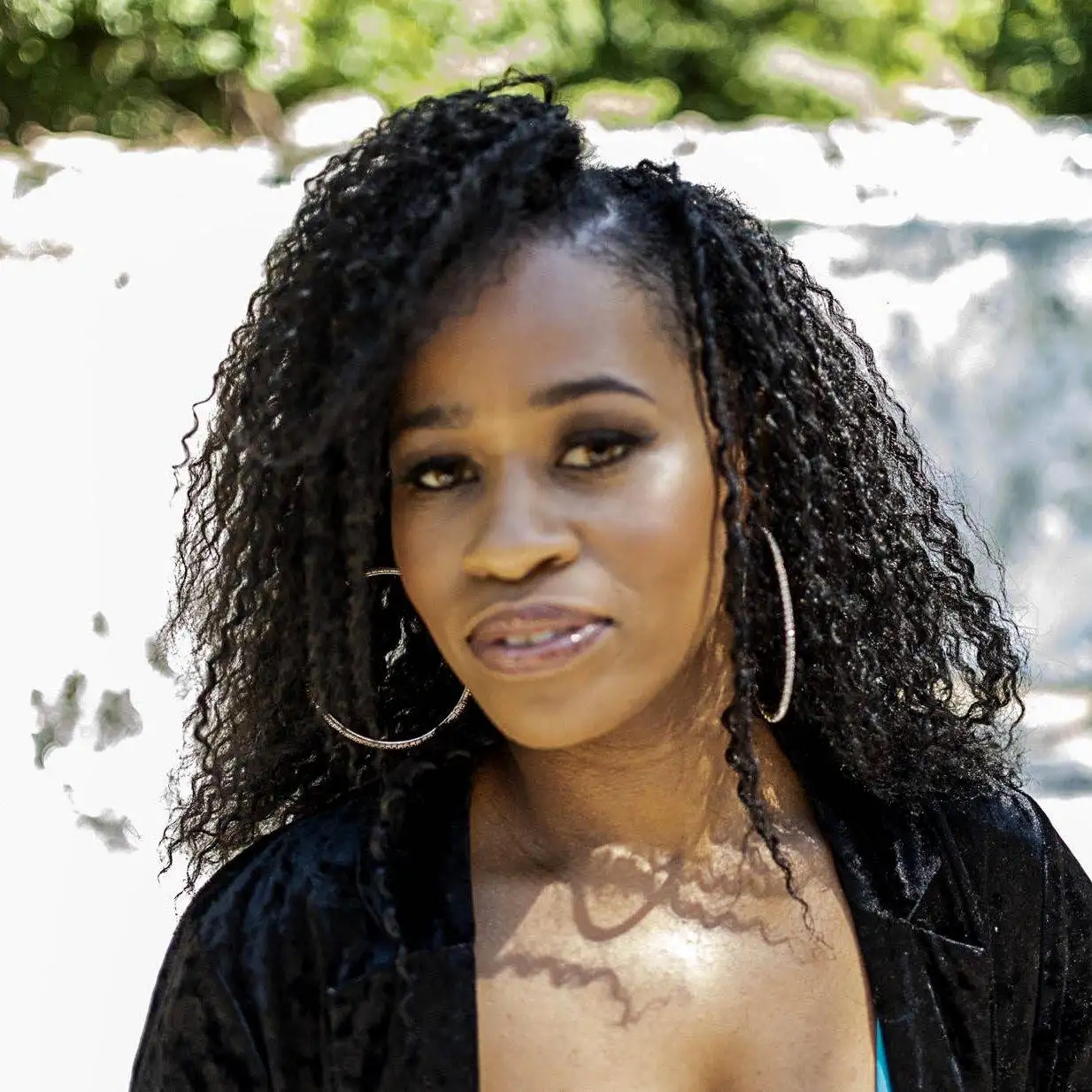
Hulda Hicks was born in Brooklyn, NY in the late ’70s, at the time when Hip-Hop music was just emerging as an art form. Her entire life was influenced by the culture, having grown up in the epicenter of the creative movement.
As a trained musician and vocalist, Hulda got exposed to the industry in her twenties and has worked on projects with iconic figures such as the Chiffons, the Last Poets, and Montell Jordan, to name a few. Her passion for music extended past the stage on to the page when she began to write ad copy and articles as a freelancer for several underground publications.
A written review from “Jubilee Huldafire” is as authentic as it gets, hailing from one creative mind that has a unique voice, on paper and in person.