Once upon a time, you pulled a lever. The reels spun. You waited. You won or you didn’t. And that was it. Clean and cold. Luck-driven. Mechanical. The old-school machines had charm, sure — but they weren’t built for conversation, strategy, or style. Today’s players want more than just a pull and pray. They want control, community, and culture. So the games changed.
In lounges, dorms, and coffee shops around the world, players are logging on not just to spin, but to bet on something with flavor. Not just outcome, but expression. Whether you’re tapping into a poker stream with friends or leveling up in a rhythm-based slot wrapped in hip-hop swagger, it’s clear: the casino is evolving. And it’s listening.
The Rise of Skill-Based Casino Games
Luck hasn’t left the table, but it’s been joined by reflex, pattern recognition, and decision-making. Skill-based games are sliding into the mainstream like a practiced cue ball across green felt — smooth, direct, deliberate. These aren’t your grandfather’s machines. Here, your timing matters. Your memory matters. Your practice pays off.
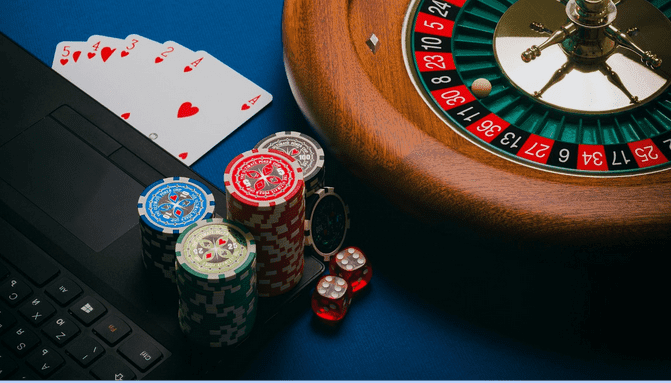
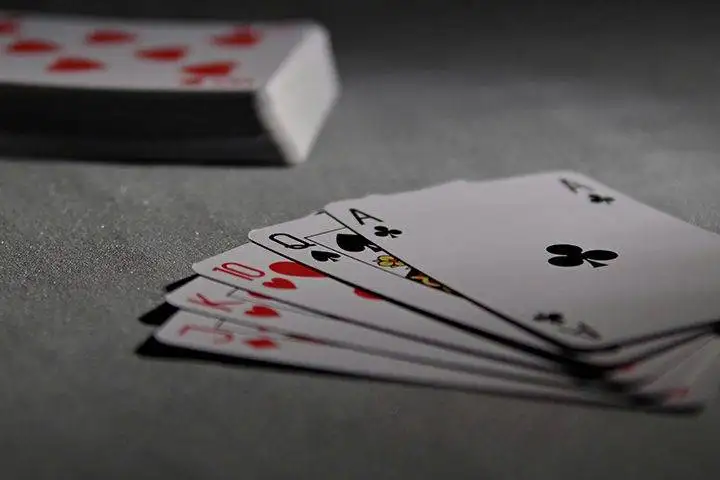
Think of blackjack, poker, or sports-betting simulators where choices ripple through rounds, and your win isn’t just what the house lets happen — it’s what you make happen. Arcade-style casino titles are now asking players to shoot targets, solve puzzles, and react in real-time. You’re not just spinning — you’re playing.
For those who bet with more than instinct — those who like a challenge, who prefer a little sweat on their brow with every hand — this shift is a welcome one. And developers are responding with mechanics pulled from esports, mobile gaming, and even first-person shooters.
Social Features: Multiplayer, Community, and Streaming
The solitary gambler still exists, but even he has a chat box now. The rise of multiplayer casino environments is nothing short of explosive. You’re playing baccarat with six strangers and somehow, it feels like brunch. There’s a host. There’s commentary. Sometimes, there’s banter so good it keeps you at the table even after your chips vanish.
Online casinos are taking cues from Twitch and Discord. Live streaming built into the games. In-room emotes. Instant reactions. Public tables where big wins are celebrated not by a bell, but by a chorus of digital cheers. And at the heart of it: players seeking not just payout, but presence.
Gaming communities have begun to mirror old neighborhood arcades, where people came not just to win, but to belong. That’s no accident. It’s design. It’s strategy. And it’s working.
Cultural Influences: Music, Art, and Modern Gaming Trends
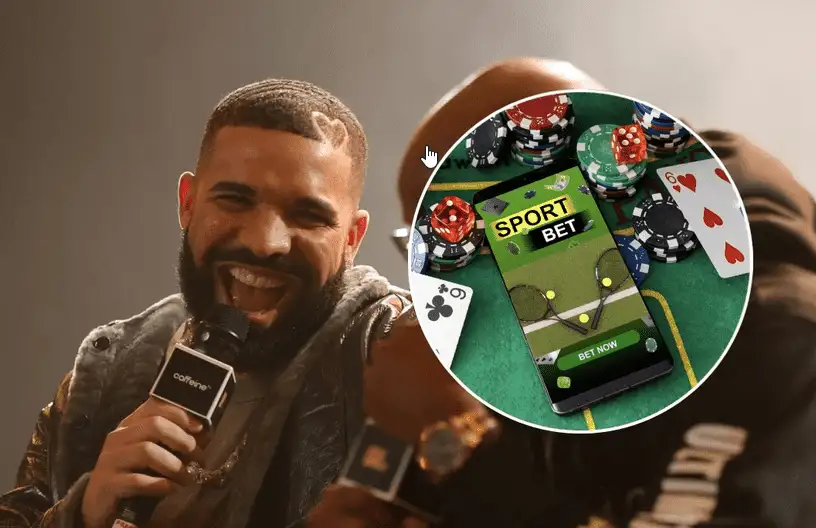
Entertainers have stepped into the room — not just as mascots, but as creative directors, collaborators, and co-designers. And that’s changed everything.
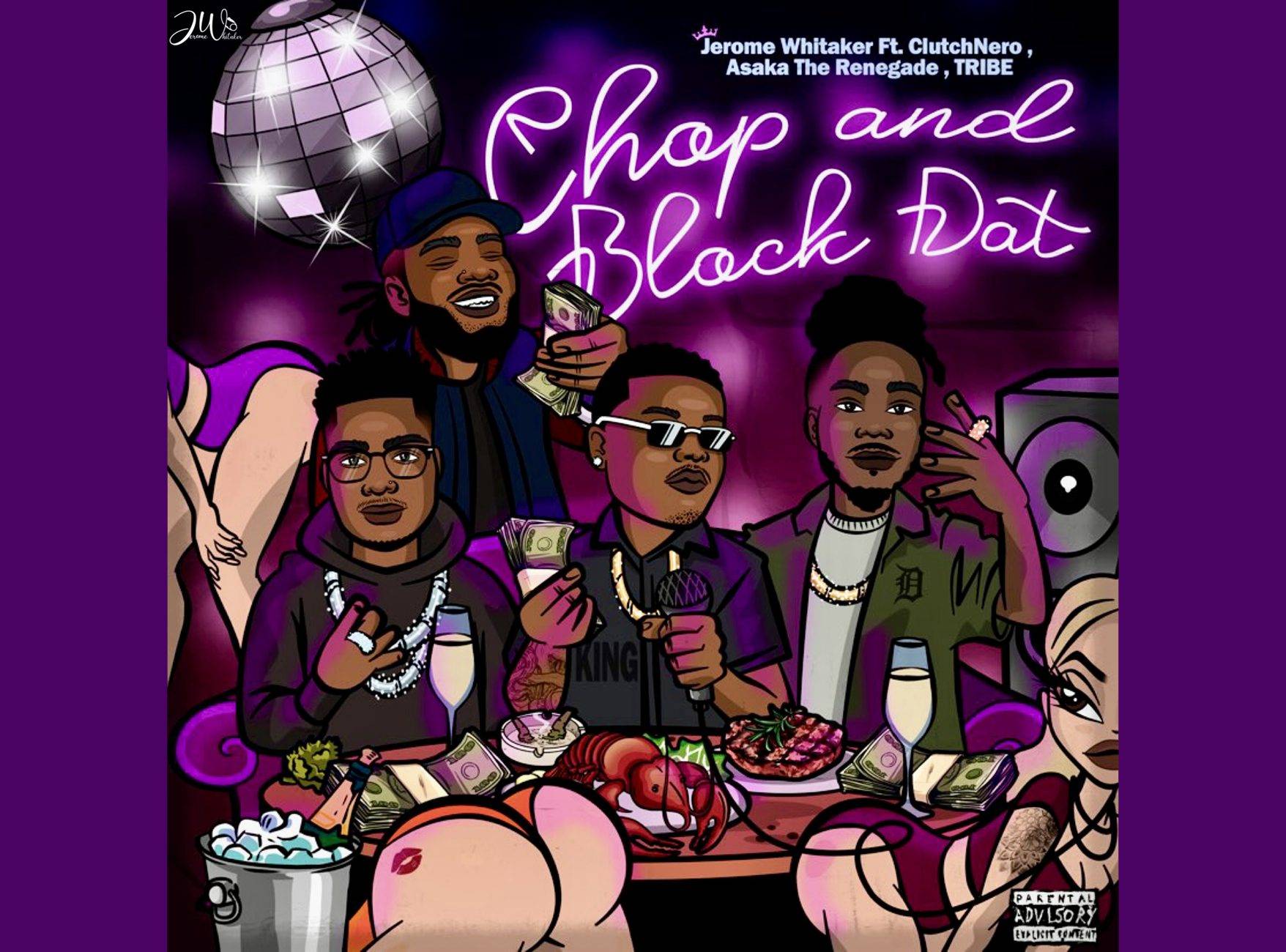
Casino games are now laced with recognizable beats, sample-heavy intros, and visuals pulled from album art. If you’ve ever bet on a slot while the hook from a Kendrick Lamar track looped behind a flashing skyline? You’ve seen it in action.
Urban culture — from fashion aesthetics to lyrical cadence — is reshaping how games look, sound, and feel. Some roulette tables are skinned like turntables. Bonus rounds echo video choreography. You’re not just spinning for money; you’re stepping into a vibe.
There are titles inspired by rap battles, where quick decisions and timing mimic the tempo of a freestyle. The crossover is deliberate. It’s meant to attract an audience that values rhythm, self-expression, and swag.
What Players Want: Challenge, Fairness, and Fun
This generation of players wants to feel as well as win. That changes how games are structured. They’re shorter, sharper, and more interactive. Passive games — where you hit spin and wait — are giving way to engagement-heavy formats.
Modern players want fairness backed by visibility. Transparent odds. Peer-reviewed mechanics. RNGs (random number generators) you can trust — not just because someone told you, but because the game itself lets you see how it works. There’s pride in beating a fair system. Frustration in losing to a rigged one.
There’s also a thirst for layered challenges. Side quests. Tournaments. Customizable avatars. Personal progress bars. It feels more like leveling up in a role-playing game than just gambling. You bet. You play. You achieve.
And crucially: players want to feel in control, even when they lose. That means built-in limits, session reminders, and tools to pause or track gameplay. The platforms that respect this — that embed digital self-awareness into their UX — are being rewarded with loyalty.
The Next Generation of Casino Entertainment
The next wave is already forming — and it’s hybrid. Part arcade. Part concert. Part chatroom. The casino is mutating into a digital club, a hangout with stakes. Powered by technology and shaped by culture.
Expect to see:
- AI-powered opponents that adjust their play style to match yours
- Collaborative games, where teams win (or lose) together
- Augmented reality overlays, turning your kitchen table into a craps pit
- Old school graphics remixed for modern play — think 8-bit visuals layered with high-def sound
- Mini-games nested inside your main game — like finding a crate mid-spin and unlocking an instant trivia round for a bonus
It’s not unlike what Wu-Tang Clan did with their sound. They pulled from kung-fu films, jazz samples, and raw street storytelling — then wrapped it in beats nobody saw coming. The result wasn’t just music. It was a movement.
That’s where casino games are headed. A place where tradition meets invention. Where style sits beside strategy. Where winning feels good — but playing feels better.
And for those who want their games to reflect who they are, what they listen to, and how they move? The table’s already set.

Hulda Hicks was born in Brooklyn, NY in the late ’70s, at the time when Hip-Hop music was just emerging as an art form. Her entire life was influenced by the culture, having grown up in the epicenter of the creative movement.
As a trained musician and vocalist, Hulda got exposed to the industry in her twenties and has worked on projects with iconic figures such as the Chiffons, the Last Poets, and Montell Jordan, to name a few. Her passion for music extended past the stage on to the page when she began to write ad copy and articles as a freelancer for several underground publications.
A written review from “Jubilee Huldafire” is as authentic as it gets, hailing from one creative mind that has a unique voice, on paper and in person.