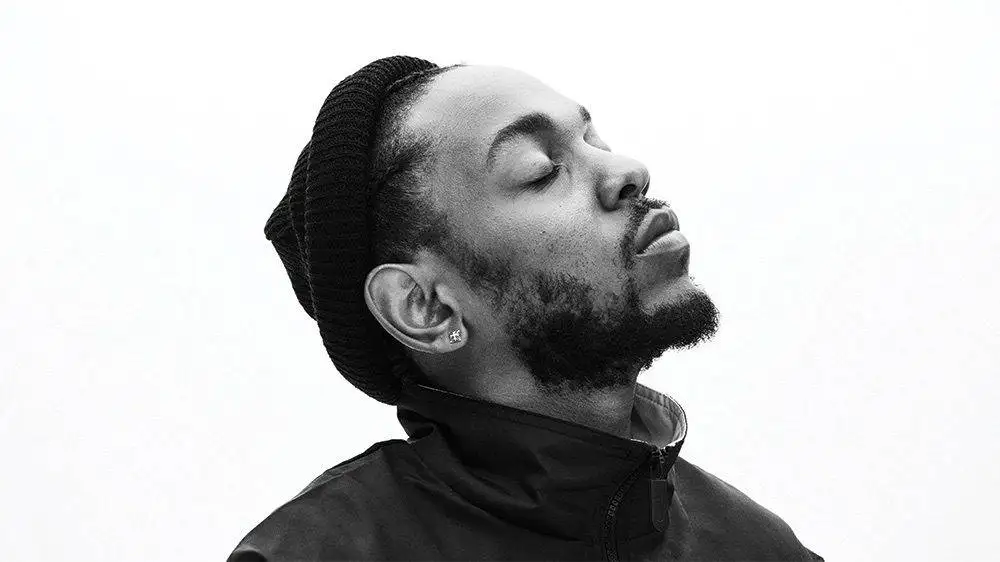
Rap music has always been more than beats and rhymes—it’s a coded language, a form of storytelling layered with double meanings, cultural references, and encrypted truths. From political protest and personal pain to pride and survival strategies, many of the genre’s most popular songs contain secret messages that go unnoticed by casual listeners. This article breaks down the hidden meanings behind several iconic rap tracks and explores how rappers use lyrics to communicate truths only the initiated can decode.
1. “Alright” by Kendrick Lamar – A Modern Spiritual Anthem
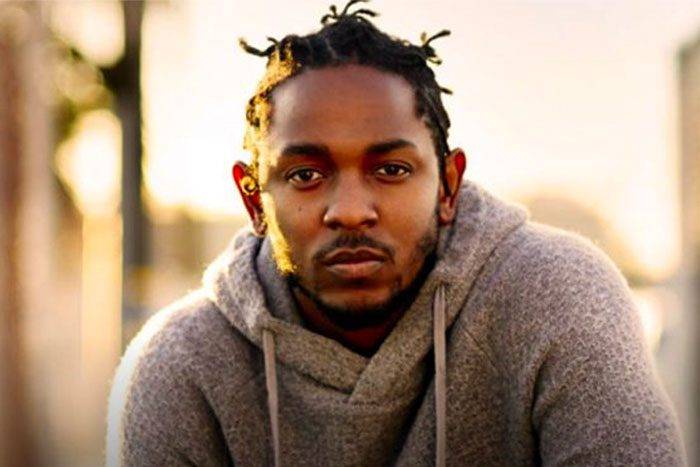
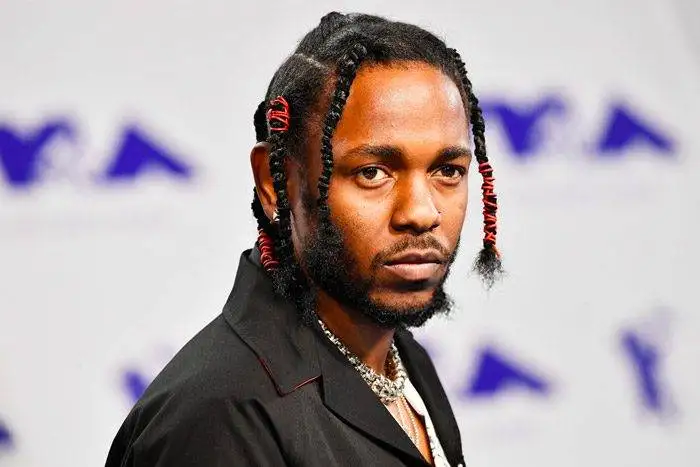
On the surface, Kendrick Lamar’s “Alright” feels like a hopeful chant. But beneath the celebratory hook (“We gon’ be alright”) lies a coded response to racial injustice and police brutality. Released in 2015 amidst rising tensions in America over systemic racism, the track became an anthem for the Black Lives Matter movement.
Hidden Messages:
- Spiritual Warfare: Lamar juxtaposes hope with paranoia and oppression. He speaks of “wickedness,” “Satan,” and “God” as metaphors for internal and external battles. The “Alright” chant becomes a spiritual affirmation in the face of structural violence.
- Economic Reality: “And we hate po-po / Wanna kill us dead in the street fo sho” refers not only to police brutality but also to generational poverty, surveillance, and the devaluation of Black lives.
- Prophetic Language: Lamar likens himself to a prophet, someone carrying a divine burden to speak truth: “I remembered you was conflicted / Misusing your influence, sometimes I did the same.”
2. “Sicko Mode” by Travis Scott – Duality of Fame and Self
At first glance, “Sicko Mode” is a braggadocious party anthem. But if you follow the tempo shifts and lyrical pivot points, the song becomes a cryptic take on Travis Scott’s fractured identity as both a commercial product and a creative force.
Hidden Messages:
- Three-Part Structure: The song’s three beat switches reflect Scott’s multiple personas. Each section represents a different “mode”—from carefree to reflective to ruthless.
- Industry Commentary: “Checks over stripes, that’s what I like” is a jab at Kanye West (associated with Adidas) and a subtle declaration of Scott’s allegiance to Nike, but deeper still, it’s about choosing money over loyalty.
- Hometown Codes: References to Houston neighborhoods and “Mo City” are not just shoutouts—they’re timestamps marking Scott’s transformation from a local to a global icon, yet always coded in geography and slang.
3. “God’s Plan” by Drake – Faith, Fate, and Fortune
Drake’s “God’s Plan” sounds like a victory lap, and it is—but it’s also steeped in irony. Drake positions himself as both chosen and conflicted, playing with the dual meaning of divine purpose and industry manipulation.
Hidden Messages:
- Reluctant Messiah: “I feel good sometimes I don’t” might seem like filler, but it echoes the idea that even the most successful artists carry unseen burdens.
- Industry Eyes: “I can’t do this on my own” and “Someone watchin’ this close” alludes to the idea of constant surveillance by labels, fans, and enemies—hinting at a lack of privacy even in success.
- Philanthropy as Protest: The video shows Drake giving away nearly $1M, but this generosity is contrasted with his lyrics, suggesting this is a divine test or balancing act, not mere charity.
4. “Lose Yourself” by Eminem – A Manual for Manifestation
Eminem’s “Lose Yourself” is often hailed as one of the greatest motivational rap tracks ever written. But hidden beneath the urgency of the lyrics lies a complex psychological breakdown of fear, ambition, and fate.
Hidden Messages:
- Mamba Mentality Before It Had a Name: “You better lose yourself in the music, the moment…” is more than hype—it’s a blueprint for performance under pressure.
- Time Symbolism: “You only get one shot” is a meditation on time, chance, and synchronicity. Eminem references clocks and temporality throughout to underscore mortality.
- Alter Ego Dissolution: The song is from the 8 Mile soundtrack, and Eminem cleverly blurs the line between himself and his character B-Rabbit. It’s a commentary on the collapsing identity between art and artist.
5. “HUMBLE.” by Kendrick Lamar – Ego Death in the Instagram Era
In “HUMBLE.”, Kendrick Lamar plays with contradiction. While the chorus demands humility, the verses are packed with brags. The duality is intentional—it’s a layered critique of hypocrisy, especially in the digital age.
Hidden Messages:
- Irony as Weapon: The song is riddled with ironic juxtapositions. Kendrick shouts “sit down, be humble,” while standing tall in every verse. This creates a mirror for listeners to evaluate their own ego.
- Digital Narcissism: Lines like “I’m so f***in’ sick and tired of the Photoshop” reference Instagram culture, AI filters, and the fake reality promoted by influencers.
- Religious Undertones: Kendrick’s use of the word “HUMBLE” is deeply Christian—humility before God, not just other people. The capital letters in the title even resemble a Bible verse citation.
6. “Can’t Tell Me Nothing” by Kanye West – Capitalism as Religion
Kanye West‘s “Can’t Tell Me Nothing” is often perceived as a flex track, but it’s loaded with self-aware conflict about materialism, mortality, and self-creation.
Hidden Messages:
- Self-Sabotage Confessions: “I had a dream I could buy my way to heaven / When I awoke, I spent that on a necklace” is more than wordplay—it’s a critique of how consumerism replaces spirituality.
- Blasphemous Self-Deification: The song plays with themes of godhood and isolation. Kanye hints that achieving “god status” through wealth and fame is both a trap and a high.
- Class Struggle: He contrasts his current lifestyle with past poverty, using money as both a savior and a jailer: “Wait till I get my money right.”
7. “Many Men” by 50 Cent – Death as a Constant Companion
50 Cent’s “Many Men” isn’t just a street anthem—it’s a song about prophecy, trauma, and reincarnation through revenge.
Hidden Messages:
- Post-Traumatic Rap Syndrome: The song was written after 50 Cent survived being shot nine times. His lyrics operate as PTSD flashbacks—“I’m the diamond in the dirt that ain’t been found” implies rebirth through pain.
- Biblical Parallels: “Lord forgive me, I was tempted by the sins of lust” positions 50 as both sinner and prophet, someone navigating spiritual warfare.
- Street Code: The song teaches a doctrine—“death gotta be easy, ’cause life is hard” is both metaphor and law for many raised in violent environments.
8. “Mask Off” by Future – Addiction, Identity, and Escape
“Mask Off” seems like a celebration of drug use and decadence. But look deeper and it’s a confession—an unfiltered moment of honesty masked by hypnotic flute loops.
Hidden Messages:
- The Dual Meaning of ‘Mask’: “Mask off” is a nod to both revealing one’s true self and abandoning societal expectations. It may also reflect the opioid crisis (Future repeatedly mentions “Percocets” and “Molly”).
- Coded Pain: Future often disguises heartbreak and depression behind tales of success. This song strips the mask of bravado to reveal a numbness underneath.
- Generational Cycle: “Chase a check, never chase a b****” implies a value system taught through systemic disenfranchisement, where money becomes the only metric of safety.
9. “Stan” by Eminem – The Psychology of Fandom
Arguably one of the most influential songs in rap history, “Stan” is a chilling tale of obsession. But more than a narrative, it’s a meta-commentary on fame and the twisted dynamic between artist and audience.
Hidden Messages:
- Split Consciousness: Eminem voices both himself and Stan, his fan. This duality mirrors the internal voices of the artist himself—the pressures to perform, to respond, to stay grounded.
- Letter Format as Trap: The song is a series of fan letters, but their one-way nature highlights the inability of stars to reciprocate the emotional investment fans place in them.
- Cultural Invention: The term “Stan” now universally means an obsessed fan, but Eminem’s original message was cautionary: love, when extreme, can become violent.
10. “The Story of O.J.” by Jay-Z – Codes of Wealth and Race
Jay-Z’s “The Story of O.J.” is a minimalist, jazz-sampled track filled with blunt truths about race, wealth, and identity.
Hidden Messages:
- Racial Stratification: “I’m not Black, I’m O.J…. okay” references a real quote by O.J. Simpson, symbolizing the myth that wealth can erase race in America.
- Economic Empowerment: “You wanna know what’s more important than throwing away money at a strip club? Credit.” Jay-Z uses this line to criticize financial illiteracy in the hip-hop community and promote generational wealth.
- Hidden in Plain Sight: The cartoon visuals in the video parody racist animations from the 20th century, making the song both a sonic and visual deconstruction of Black stereotypes.
Conclusion: Hip-Hop as Cipher
Rap lyrics often serve as a cryptic mirror of the artist’s soul, environment, and society. In an age of viral trends and streaming algorithms, casual listeners may overlook the double entendres, metaphors, and cultural codes embedded in the music.
Whether it’s Kendrick’s theological commentary, Jay-Z’s economic guidance, or Eminem’s psychodrama, hip-hop remains one of the most nuanced forms of modern poetry. The next time you nod your head to a familiar track, consider pressing pause and looking beyond the surface—you might just find a secret that was always hidden in plain sight.
Explore More on Raptology.com

Natalia is a Rap and Hip Hop enthusiast. After graduating from The New School of New York’s Public Relations Program and taking a course in Journalism at Michigan State University, she decided to dedicate her life to the music publishing business and to the discovery of new talent. She helps new artists gain exposure to the masses via online marketing and publications.